Introduction
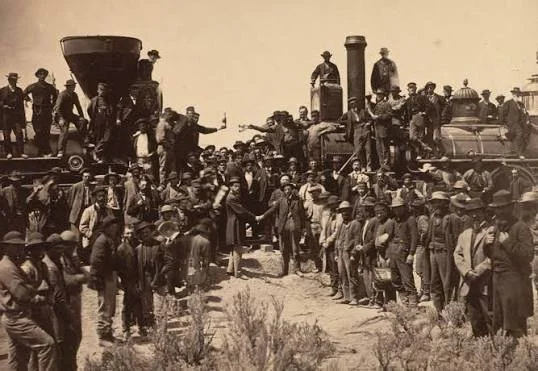
Promontory Summit is one of the most recognizable historical landscapes in Utah. On May 10, 1869, the Central Pacific and Union Pacific railroads were ceremonially joined there, creating the first continuous railroad connection across the United States.
The event became known as the "Golden Spike" ceremony.
Promontory Summit, however, is significant not only because of the ceremony itself. The location preserves evidence of a rapidly changing transportation system that reshaped the American West.
Why Promontory?
The railroad companies had to determine where the two construction lines would meet.
Promontory Summit provided a practical meeting location along the route through northern Utah.
The landscape contained difficult terrain but offered a workable railroad grade.
The location eventually became the site of the ceremonial connection.
May 10, 1869
The ceremony brought together executives, politicians, workers, journalists, photographers, and other observers.
A final ceremonial spike was driven into the railroad tie.
The event symbolized national technological integration.
Telegraph communication allowed news of the completion to travel rapidly across the country.
The Railroad as Infrastructure
The ceremony represented only a small fraction of the physical infrastructure required.
Railroads required:
tracks;
bridges;
culverts;
grades;
stations;
water facilities;
maintenance shops;
telegraph lines;
fuel stations;
rolling stock.
The railroad was therefore an enormous technological system rather than simply a line of rails.
The Human Workforce
Thousands of laborers constructed the railroad.
Chinese workers were particularly important to the Central Pacific.
Irish and other immigrant laborers were heavily represented on the Union Pacific.
Mormon workers also played a major role in Utah.
The workforce faced dangerous conditions, low wages in many cases, difficult weather, and exhausting physical labor.
Indigenous Landscapes
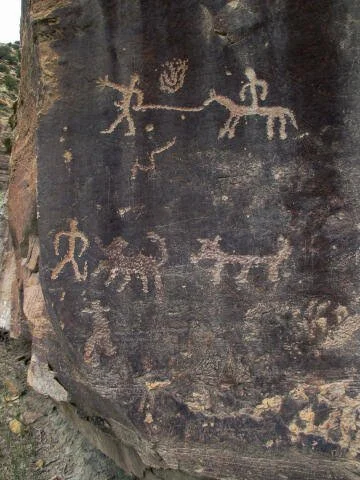
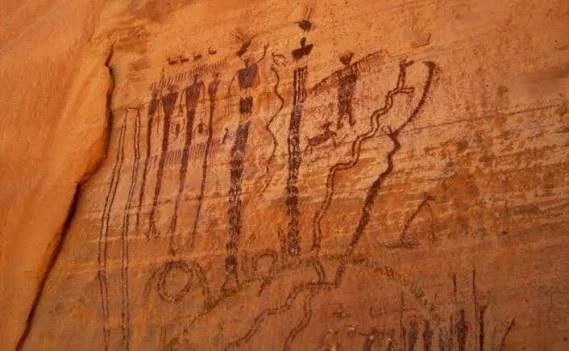
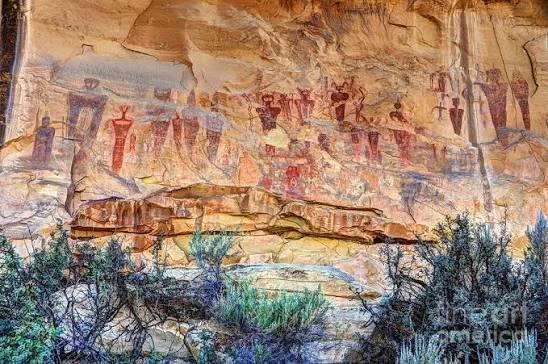
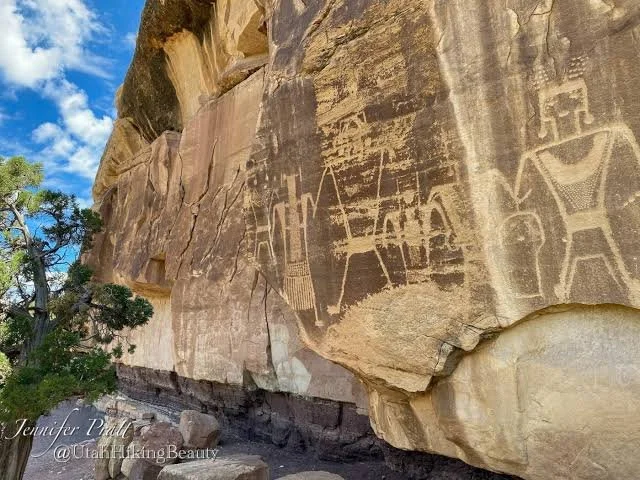
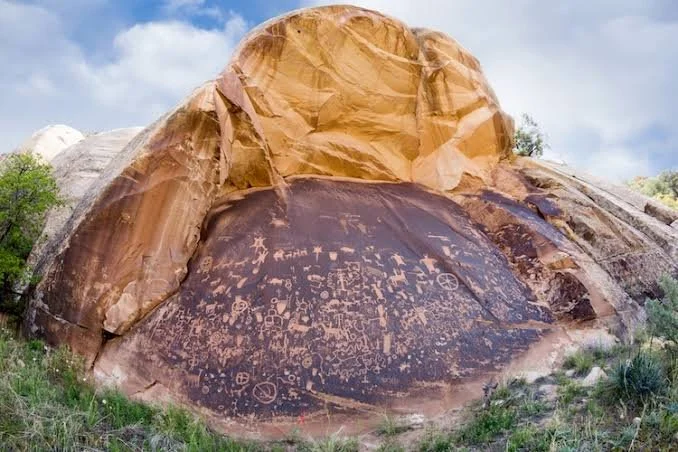
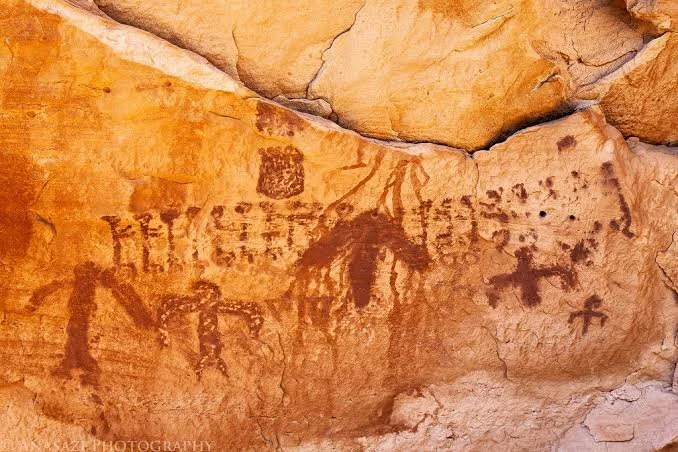
Promontory and the surrounding Great Basin were already Indigenous landscapes before railroad construction.
The railroad entered territories connected to Native communities and altered patterns of movement, hunting, trade, and settlement.
The expansion of rail transportation accelerated the arrival of settlers and commercial development.
This transformed the region permanently.
Railroad Towns
After the ceremonial completion, Promontory developed as a railroad community.
Stations, businesses, hotels, saloons, warehouses, and other facilities appeared.
Such towns could develop rapidly because railroad construction generated enormous economic activity.
But their fortunes were equally vulnerable to changes in railroad routing.
The Relocation of the Line
Promontory's long-term importance changed after the railroad route was altered.
A more efficient alignment through the Great Salt Lake region eventually bypassed the original summit route.
This is an important reminder that transportation infrastructure is dynamic.
A location that becomes strategically important can lose that importance when engineering solutions change.
Archaeological Evidence
The former railroad town left behind foundations, artifacts, grades, and other archaeological remains.
Archaeologists can use these materials to reconstruct the settlement.
Artifacts can reveal consumer behavior.
Building remains show the organization of businesses and residences.
Railroad features reveal technological practices.
Modern Interpretation
Today, Promontory Summit is preserved as a major historical site.
The site presents reconstructed locomotives and demonstrations that help visitors understand nineteenth-century railroad technology.
The ceremonial story is only one part of the interpretation.
Modern historical scholarship also emphasizes the laborers, Indigenous communities, businesses, engineers, and transportation systems involved in the railroad's development.
Legacy
The transcontinental railroad transformed the United States.
It shortened travel times.
It reduced transportation costs.
It accelerated migration.
It expanded commercial markets.
It encouraged industrial development.
It transformed western landscapes.
Its effects were therefore economic, technological, demographic, environmental, and political.
Conclusion
Promontory Summit represents a pivotal moment in American transportation history.
The 1869 ceremony became a national symbol of connection, but the deeper historical significance lies in the immense process behind it.
The summit preserves the memory of engineering achievement while also providing an opportunity to examine the labor, Indigenous history, economic transformation, and environmental consequences associated with the railroad.
For that reason, Promontory Summit is best understood not simply as the place where a golden spike was driven, but as a landscape where the American West entered a new technological and economic era.