Introduction
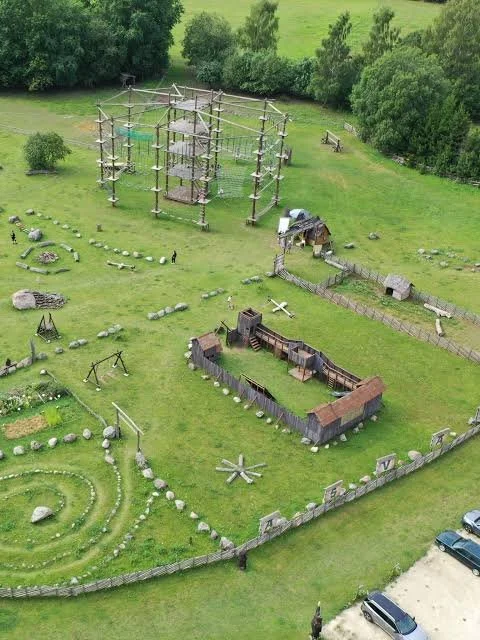
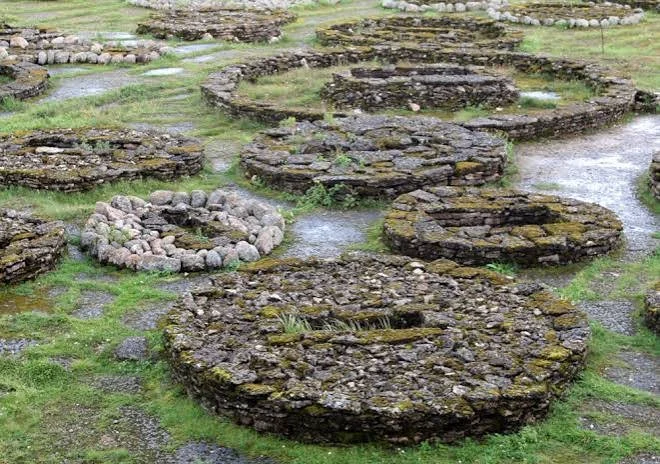
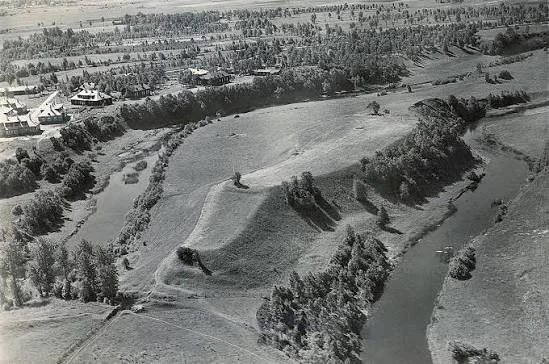
Proosa provides important evidence for settlement and everyday life in Estonia during the Viking Age.
While famous Viking archaeological sites often emphasize spectacular weapons, ships, and treasure, settlements such as Proosa reveal another side of the period.
They show how ordinary communities lived.
People cultivated land, raised animals, manufactured tools, prepared food, built houses, traded with neighbors, and participated in the wider economic networks of the Baltic Sea.
Life in the Viking Age Baltic
The Viking Age was not simply an era of Scandinavian raids.
Across the Baltic, communities developed complex economies.
Estonia occupied an important geographical position between Scandinavia, Finland, the eastern Baltic, and eastern European regions.
This encouraged interaction.
Goods and ideas traveled along maritime and overland routes.
Houses and Settlement
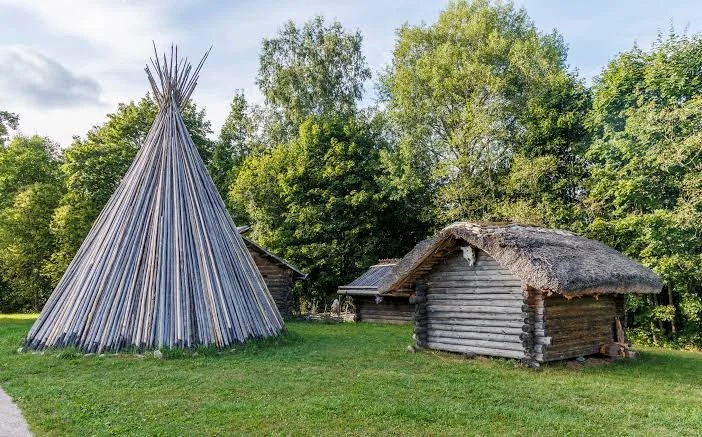
Viking Age Estonian houses were generally constructed using locally available materials.
Wood was particularly important.
Buildings could include living spaces, storage areas, workshops, and animal-related structures.
Hearths served as sources of heat and cooking.
The archaeological remains of these structures are often fragmentary because organic materials decay.
Nevertheless, postholes, hearths, floors, and refuse deposits can reveal the organization of settlements.
Agriculture
Agriculture formed the economic foundation of most settled communities.
Farmers cultivated cereals and maintained livestock.
Cattle provided meat, milk, hides, and labor.
Sheep supplied wool.
Pigs provided meat.
Horses were important for transportation and status.
Agriculture was supplemented by fishing, hunting, gathering, and trade.
Craft Production
Settlement archaeology often reveals small-scale manufacturing.
People produced pottery, textiles, wooden objects, bone tools, leather goods, and metal items.
Some craftsmen may have specialized.
Others likely combined craft production with farming.
This flexible economy allowed households to survive changing conditions.
Trade
The Baltic Sea created a major transportation network.
Estonian settlements could participate in exchange with Scandinavian communities and other Baltic regions.
Goods could include:
furs;
amber;
iron;
textiles;
ceramics;
salt;
ornaments;
weapons.
Trade also transmitted cultural practices.
Religion and Belief
Viking Age communities practiced religious traditions that combined local beliefs with influences from neighboring cultures.
Burial practices, ornaments, symbols, and ritual objects can provide evidence for belief systems.
Christianity was beginning to spread through the Baltic during the later Viking Age, although conversion occurred gradually.
Warfare
The Viking Age was also an era of conflict.
Weapons found in settlements or nearby graves demonstrate the importance of military preparedness.
Yet most inhabitants were not professional warriors.
Farmers, craftsmen, and merchants could possess weapons for defense.
Military activity should therefore be understood within the broader social structure.
Archaeological Importance
Proosa contributes to understanding the ordinary foundations of Viking Age society.
A settlement provides different evidence from a royal burial.
Instead of focusing on one elite individual, archaeologists can investigate households and communities.
This helps correct the impression that the Viking Age was dominated exclusively by kings and warriors.
Conclusion
Proosa represents the everyday world behind the Viking Age.
Its significance lies not necessarily in spectacular monuments but in the evidence of ordinary human activity.
Agriculture, craft production, trade, domestic life, and regional interaction formed the foundation of the Baltic societies that existed during this period.
By studying settlements such as Proosa, archaeologists can reconstruct the lives of the people whose labor sustained the more famous warriors, merchants, and rulers of the Viking world.