Introduction
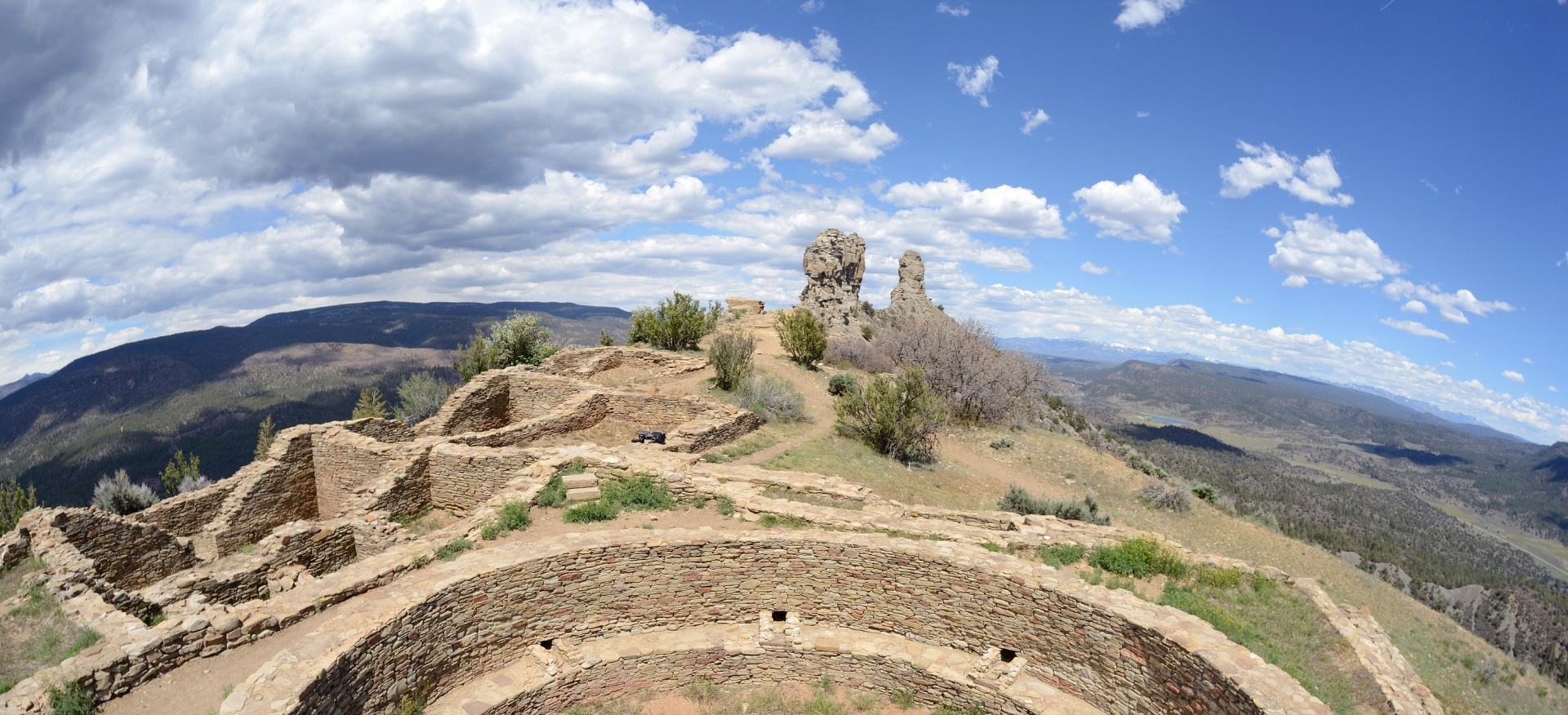
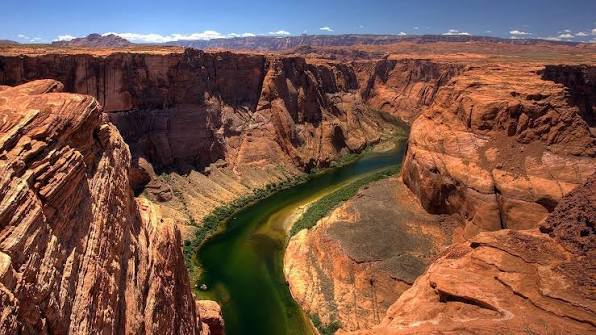
Hidden within a rugged canyon landscape in central Utah, Range Creek contains an unusually well-preserved concentration of archaeological remains associated with the Fremont culture.
The Fremont tradition occupied large portions of what is now Utah and neighboring regions during the first millennium CE.
Range Creek is particularly important because its relative isolation helped protect archaeological features from some of the disturbance experienced by more accessible sites.
The landscape contains evidence of farming, habitation, storage, hunting, and other activities.
Together, these remains provide a remarkably detailed picture of how people adapted to canyon environments.
The Fremont Tradition
The Fremont were not a single centralized civilization.
Instead, the term describes diverse communities sharing certain cultural characteristics.
These included distinctive pottery, farming practices, architecture, rock art, and material traditions.
Fremont communities lived in environments ranging from deserts and river valleys to mountain and canyon landscapes.
Range Creek demonstrates how these communities could adapt to challenging terrain.
A Protected Archaeological Landscape
One of Range Creek's greatest archaeological advantages is its relative lack of modern development.
Many archaeological sites throughout the American West have been disturbed by:
agriculture;
construction;
looting;
mining;
roads;
and tourism.
Range Creek avoided much of this disturbance.
As a result, archaeologists have been able to examine entire settlement landscapes rather than isolated artifacts.
This distinction is extremely important.
A single artifact tells us something about an activity.
A complete landscape can reveal how many activities were connected.
Farming in the Canyon
The Fremont inhabitants practiced agriculture.
Maize was particularly important.
Yet farming in canyon environments required careful management.
Farmers needed to identify areas with sufficient soil and moisture.
They could cultivate small patches of productive land while taking advantage of nearby wild resources.
This suggests an economy based on flexibility rather than dependence on a single resource.
Storage
Storage facilities are among the most important archaeological features at Range Creek.
Agricultural communities need to preserve food beyond the immediate harvest.
Storage protected surplus crops against:
insects;
rodents;
moisture;
theft;
and seasonal shortages.
The presence of storage structures indicates planning and food management.
It also provides evidence that households could produce enough food to maintain reserves.
Hunting
Agriculture was only one part of the economy.
The inhabitants also hunted animals and gathered wild plants.
The surrounding mountains and canyon systems provided habitats for deer and other game.
Hunting could provide protein and materials such as:
hides;
sinew;
bone;
antler;
and tools.
The combination of farming and hunting allowed communities to respond to environmental variability.
Architecture
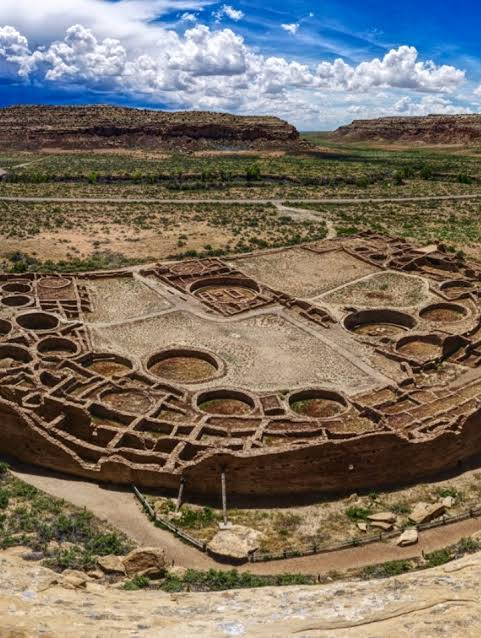
Fremont architecture was often relatively modest compared with the enormous pueblos of the Ancestral Puebloan Southwest.
However, modest architecture does not imply simple society.
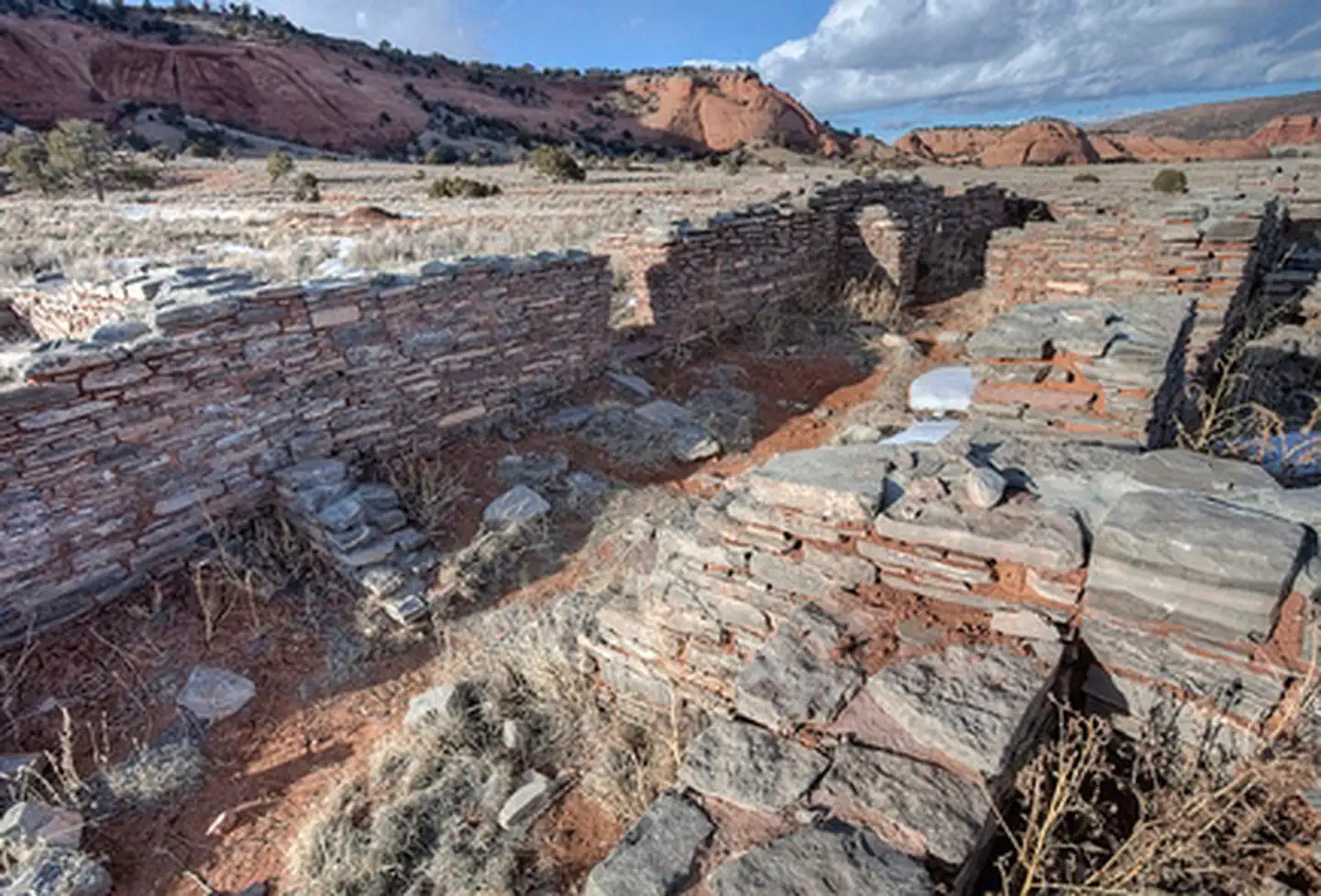
Small structures could be carefully engineered to fit specific environmental conditions.
Buildings could include storage facilities, residential spaces, and work areas.
The organization of these structures provides archaeologists with evidence about household behavior and settlement planning.
Rock Art
The broader Range Creek landscape contains rock art associated with Fremont traditions.
Rock art provides some of the most visually compelling evidence for ancient life.
Figures can depict:
human forms;
animals;
hunting scenes;
geometric designs;
and abstract imagery.
Interpretation remains difficult because the artists left no written explanations.
However, the imagery demonstrates that symbolic communication played an important role in Fremont culture.
Social Organization
Range Creek's settlement pattern can help archaeologists investigate Fremont social organization.
The distribution of homes, storage structures, agricultural fields, and other features provides evidence about how households interacted.
Rather than relying solely on large monumental buildings, researchers can study spatial relationships.
Questions include:
How large were households?
How closely did families live?
Where was food stored?
Which activities occurred communally?
How were agricultural areas organized?
Such questions transform archaeological remains into evidence about social life.
Environmental Adaptation
The Fremont occupied environments that could be unpredictable.
Climate variability affected water availability and agricultural productivity.
Successful communities needed strategies for managing uncertainty.
These included:
diversified food production;
storage;
mobility;
hunting;
gathering;
and careful selection of settlement locations.
Range Creek illustrates the importance of environmental flexibility.
Why Was the Area Eventually Abandoned?
Fremont settlement patterns changed substantially during the second millennium CE.
The causes remain debated.
Climate change likely played a role.
Changing precipitation patterns could have made agriculture less reliable.
Social transformation and mobility may also have contributed.
It is unlikely that there was one universal reason for the transformation of Fremont societies.
Different communities may have responded differently to environmental and social pressures.
Archaeological Importance
Range Creek is particularly valuable because researchers can study the relationship between artifacts and their original locations.
An isolated artifact may tell us that an activity occurred.
A complete settlement can tell us where that activity occurred and how it related to other activities.
This makes landscape archaeology especially powerful.
Preservation
The relative preservation of Range Creek creates an equally important responsibility.
Archaeological sites are nonrenewable resources.
Once a structure is destroyed or an artifact is removed from context, the original information cannot be fully recovered.
Preserving Range Creek allows future researchers to investigate questions that cannot yet be answered.
Conclusion
Range Creek provides a rare opportunity to examine Fremont life at the scale of an entire landscape.
Its villages, storage facilities, agricultural features, hunting evidence, and rock art reveal communities that were deeply adapted to the canyon environment.
The Fremont were neither isolated nor technologically primitive.
They developed flexible economic strategies, built durable structures, produced distinctive art and pottery, and maintained complex relationships with the environment.
Range Creek's greatest significance may therefore be its ability to move archaeology away from the study of spectacular individual artifacts and toward the study of complete human landscapes.
The canyon preserves not simply ruins, but traces of an entire way of life.