Introduction
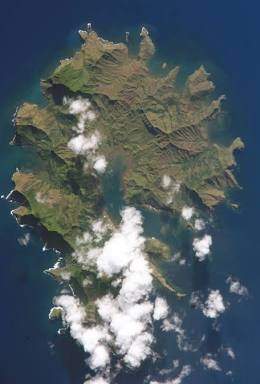
Situated in the extreme southern limits of French Polynesia's Austral archipelago, the isolated, volcanic island of Rapa Iti presents one of the most remarkable records of structural intensification and defensive engineering in Remote Oceania. Settled during the final eastward wave of Polynesian expansion around 1200 CE, the island developed a highly specialized stone carving and architectural tradition that bears striking, enigmatic parallels to Rapa Nui (Easter Island), located thousands of kilometers to the east.
For generations, mainstream Pacific frameworks viewed Rapa Nui's monumental moai traditions as an entirely isolated anomaly. However, the systematic documentation of Rapa Iti's monumental stone platforms (ahu) and anthropomorphic stone bust remnants has provided critical material proof that the stylistic and religious foundations of Easter Island's famous monuments were shared across a broader, southern Polynesian maritime corridor before extreme geographic isolation set in.
Megalithic Architecture, Fortifications, and Sculptural Affinities
The historical significance of Rapa Iti is etched directly into its dramatic, mountainous topography. As the island's population expanded within a confined volcanic ecosystem, competition for arable land triggered a massive wave of landscape customization. The islanders terraced entire mountain ridges, constructing at least 15 monumental stone-walled hillforts known as pā. These fortresses featured complex defensive systems, including deep rock-cut ditches, stone breastworks, and elevated commanding platforms that housed the regional chiefdoms.
Crucially, within the ceremonial core of these complexes, archaeologists identified the foundations of distinct stone ahu—low, rectangular masonry platforms built from meticulously fitted basalt blocks. Excavations around these structures revealed fragmented fragments of stylistically unique stone sculptures carved from local volcanic scoria.
These carvings exhibit archaic features that closely mirror the developmental phase of early Rapa Nui moai: long rectangular torsos, stylized hands resting across the lower abdomen, and pronounced, angular jawlines. Petrographic and soil analysis inside the ritual precincts yielded deep deposits of carbonized taro pits and marine turtle bones, indicating that these stone monuments served as focal points for complex ancestral ceremonies designed to appease the deified lineage heads and secure fertility for the island's terraced agricultural valleys during a period of intense warfare.
Conclusion
The multi-disciplinary unmasking of Rapa Iti’s stone monuments and hillfort architecture fundamentally alters our understanding of East Polynesian prehistory. It proves that the iconic religious concepts of monumental stone carving and platform construction were part of a shared ancestral toolkit carried by Polynesian voyagers as they navigated the southern Pacific latitudes.
The advanced level of engineering documented in the mountain pā and the striking stylistic overlap with early Easter Island sculptures reveal a wealthy, highly organized, and deeply connected society. Today, the weathering stone ruins of Rapa Iti stand as an enduring monument to early Pacific architectural ingenuity, providing an indispensable missing link in the epic story of human settlement across the world's grandest ocean.