• MAIN PAGE
  • LATEST NEWS
    • Lost Cities
    • Archaeology's Greatest Finds
    • Underwater Discoveries
    • Greatest Inventions
    • Studies
    • Blog
  • PHILOSOPHY
  • HISTORY
  • RELIGIONS
    • Africa
    • Anatolia
    • Arabian Peninsula
    • Balkan Region
    • China - East Asia
    • Europe
    • Eurasian Steppe
    • Levant
    • Mesopotamia
    • Oceania - SE Asia
    • Pre-Columbian Civilizations of America
    • Iranian Plateau - Central Asia
    • Indus Valley - South Asia
    • Japan
    • The Archaeologist Editor Group
    • Scientific Studies
    • Aegean Prehistory
    • Historical Period
    • Byzantine Middle Ages
    • Predynastic Period
    • Dynastic Period
    • Greco-Roman Egypt
  • Rome
  • PALEONTOLOGY
  • About us
Menu

The Archaeologist

  • MAIN PAGE
  • LATEST NEWS
  • DISCOVERIES
    • Lost Cities
    • Archaeology's Greatest Finds
    • Underwater Discoveries
    • Greatest Inventions
    • Studies
    • Blog
  • PHILOSOPHY
  • HISTORY
  • RELIGIONS
  • World Civilizations
    • Africa
    • Anatolia
    • Arabian Peninsula
    • Balkan Region
    • China - East Asia
    • Europe
    • Eurasian Steppe
    • Levant
    • Mesopotamia
    • Oceania - SE Asia
    • Pre-Columbian Civilizations of America
    • Iranian Plateau - Central Asia
    • Indus Valley - South Asia
    • Japan
    • The Archaeologist Editor Group
    • Scientific Studies
  • GREECE
    • Aegean Prehistory
    • Historical Period
    • Byzantine Middle Ages
  • Egypt
    • Predynastic Period
    • Dynastic Period
    • Greco-Roman Egypt
  • Rome
  • PALEONTOLOGY
  • About us

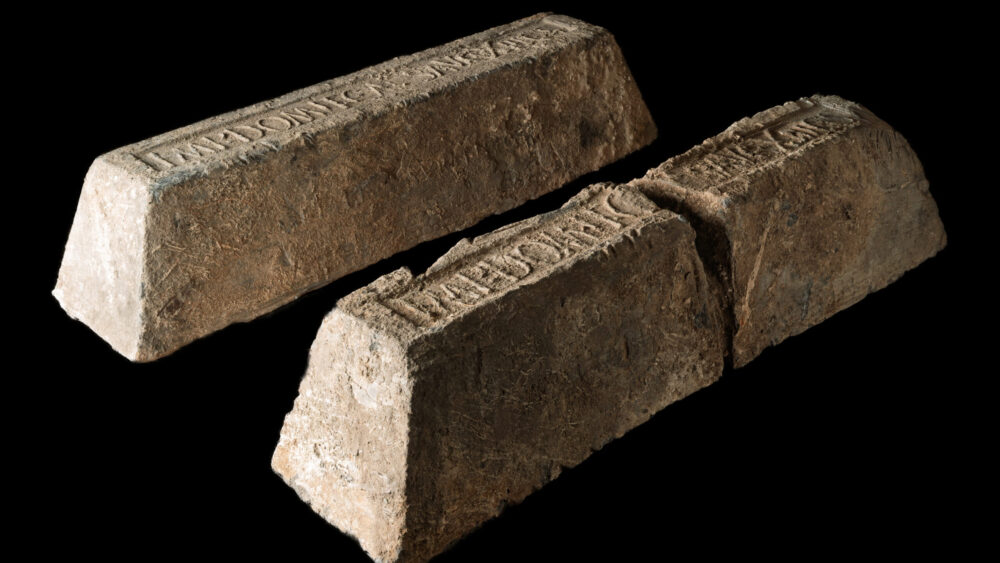
The tow lead ingots

Rare Roman treasure found by metal detectorists

February 25, 2026

Archaeologists in Erbil, the capital of the Kurdistan Region, have uncovered a cemetery dating back roughly 1,400 years, according to local authorities.

The site was discovered in the Baghlou Minara neighborhood during a public works project. Construction crews encountered human remains and notified officials, prompting a joint excavation by the General Directorate of Antiquities and the Erbil Directorate of Antiquities and Heritage.

Preliminary findings suggest the cemetery dates to the 7th century. So far, excavators have documented more than 100 skulls. Artifacts recovered from the burial context include silver coins, two bronze anklets, two pearl beads likely from necklaces, an iron bracelet, and four pottery vessels interred alongside the remains.

DNA samples have been forwarded to the Interior Ministry for laboratory analysis. Researchers hope the results will clarify the identities of those buried and shed light on the broader historical context of the cemetery.

It’s one of those discoveries that quietly shifts how we see a place — beneath modern construction, layers of a much older story waiting to be read carefully, bone by bone.

Iraqi Kurdistan discovers 1,400-year-old cemetery →
Featured
image_2026-02-25_235113742.png
Feb 25, 2026
Rare Roman treasure found by metal detectorists
Feb 25, 2026
Read More →
Feb 25, 2026
image_2026-02-25_231102835.png
Feb 25, 2026
Iraqi Kurdistan discovers 1,400-year-old cemetery
Feb 25, 2026
Read More →
Feb 25, 2026
image_2026-02-25_225034080.png
Feb 25, 2026
Are 1 In 200 Men Descended From Genghis Khan? New DNA Evidence Says Maybe Not
Feb 25, 2026
Read More →
Feb 25, 2026
image_2026-02-25_223300237.png
Feb 25, 2026
Archeological site with over 100 skulls discovered in Erbil
Feb 25, 2026
Read More →
Feb 25, 2026
image_2026-02-25_221606695.png
Feb 25, 2026
1,000-Year-Old Chimú “Sacred Road” and Temple Complex Discovered in Northern Peru
Feb 25, 2026
Read More →
Feb 25, 2026
image_2026-02-25_220048869.png
Feb 25, 2026
Ancient tombs packed with pottery and jewelry unearthed from Egyptian necropolis
Feb 25, 2026
Read More →
Feb 25, 2026
read more

Powered by The archaeologist