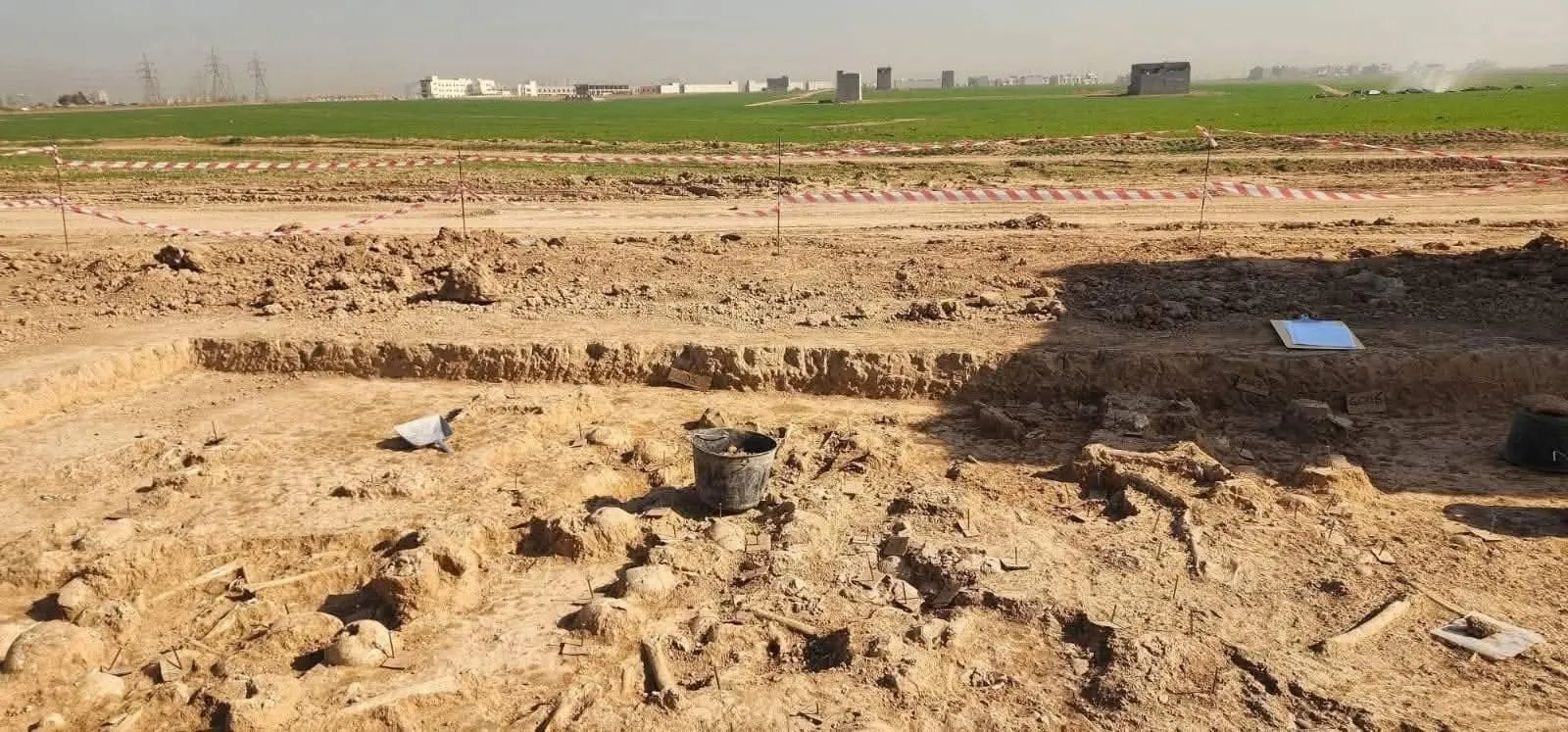
Archaeologists in Erbil, the capital of the Kurdistan Region, have uncovered a cemetery dating back roughly 1,400 years, according to local authorities.
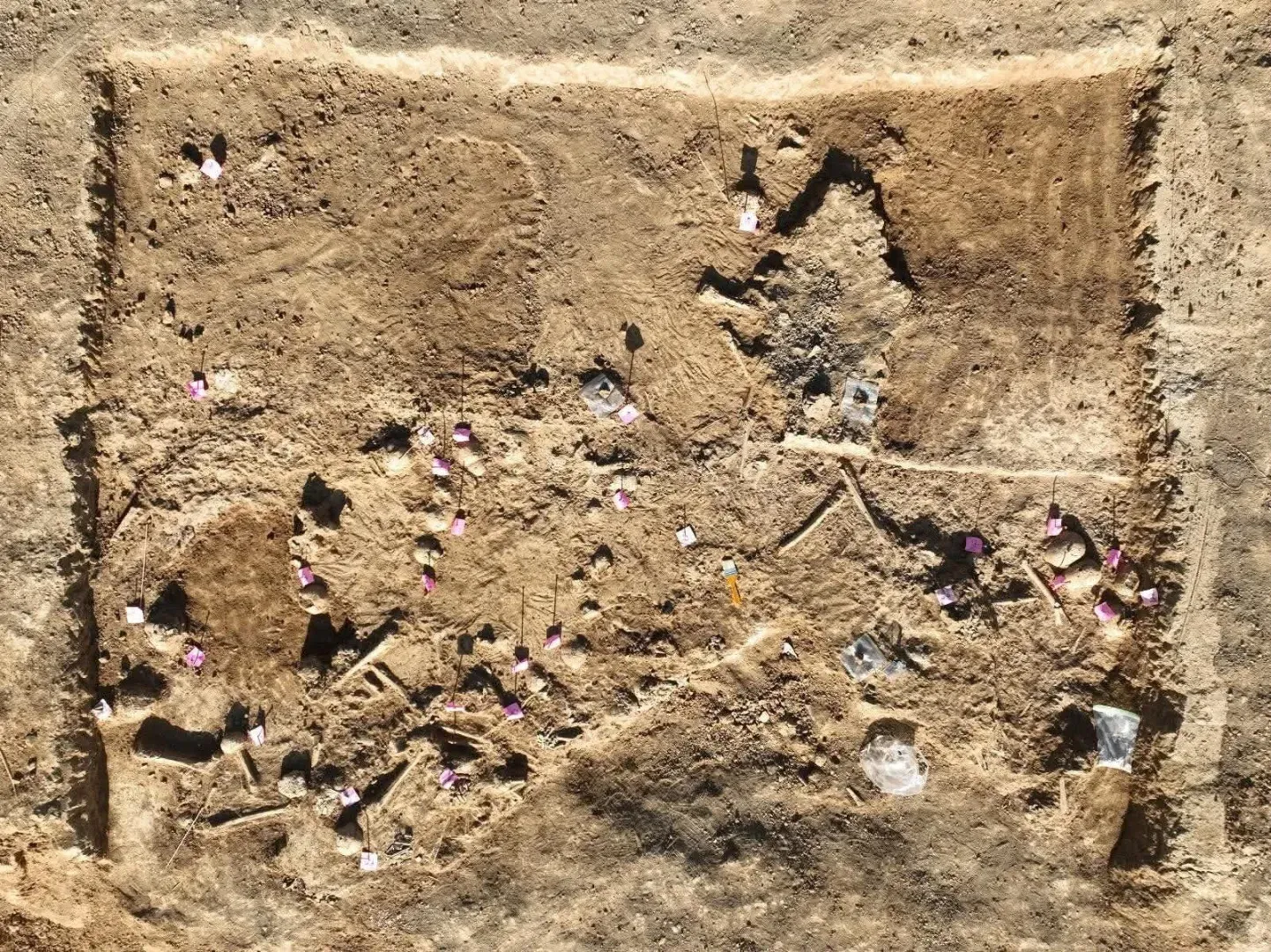
The site was discovered in the Baghlou Minara neighborhood during a public works project. Construction crews encountered human remains and notified officials, prompting a joint excavation by the General Directorate of Antiquities and the Erbil Directorate of Antiquities and Heritage.
Preliminary findings suggest the cemetery dates to the 7th century. So far, excavators have documented more than 100 skulls. Artifacts recovered from the burial context include silver coins, two bronze anklets, two pearl beads likely from necklaces, an iron bracelet, and four pottery vessels interred alongside the remains.
DNA samples have been forwarded to the Interior Ministry for laboratory analysis. Researchers hope the results will clarify the identities of those buried and shed light on the broader historical context of the cemetery.
It’s one of those discoveries that quietly shifts how we see a place beneath modern construction, layers of a much older story waiting to be read carefully, bone by bone.