Roman Mosaics in Syria: The Lost City of Apamea
Introduction
The ancient city of Apamea was one of the most important urban centers of the Roman East. Located in modern-day Syria, it became famous for its enormous colonnaded streets and, most notably, its stunning Roman mosaics. These artworks reveal the wealth, culture, and artistic sophistication of the Roman provinces.
The City of Apamea
Apamea was originally founded during the Hellenistic period and later flourished under Roman rule as part of Roman Syria.
Key Features of the City
A long, straight colonnaded main street (over 1.8 km long)
Large public buildings and baths
A major commercial and administrative center
Strong military and strategic importance
Apamea became a wealthy city due to trade routes connecting the Mediterranean with the East.
Roman Influence and Urban Design
Under Roman rule, Apamea was rebuilt with classical Roman urban planning:
Grid-like street systems
Monumental architecture
Public gathering spaces such as forums and baths
Decorative mosaics in wealthy homes and public buildings
This transformation reflected the Romanization of Syrian cities.
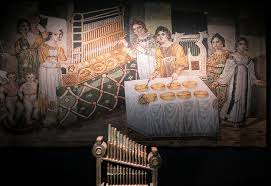
The Mosaics of Apamea
Apamea is especially famous for its floor mosaics, which are among the best preserved in the Roman world.
Themes of the Mosaics
The mosaics often depict:
Mythological scenes (Greek and Roman gods)
Hunting scenes featuring wild animals
Geometric and floral patterns
Everyday life and rural landscapes
Artistic Style
Highly detailed tesserae (small colored stones)
Strong use of perspective and movement
Bright colors made from natural stone and glass
Influence from both Greek and Roman artistic traditions
These mosaics decorated wealthy villas, baths, and civic buildings.
The Great Colonnade
One of Apamea’s most famous features is its massive colonnaded street:
Approximately 1.85 km long
Lined with thousands of columns
Served as the city’s main commercial artery
This street symbolized Roman power and urban sophistication in the eastern provinces.
Cultural Importance
Apamea was a meeting point of cultures:
Greek heritage from the Hellenistic period
Roman political and architectural influence
Local Syrian traditions
This blending of cultures is clearly reflected in its mosaics and architecture.
Decline of Apamea
The city declined due to:
Earthquakes damaging infrastructure
Political instability in the Late Roman and Byzantine periods
Shifts in trade routes
Later Islamic conquests and changing regional centers
Over time, Apamea was gradually abandoned and buried, preserving many of its mosaics.
Archaeological Significance
Today, Apamea is one of the most important archaeological sites in Syria. Its mosaics provide valuable insight into:
Daily life in Roman provincial cities
Artistic techniques of mosaic craftsmen
Wealth and cultural identity of the Roman East
Conclusion
Apamea stands as a powerful example of Roman influence in the East. Its magnificent mosaics and monumental architecture reflect a city of great wealth, artistic achievement, and cultural blending. Though now a “lost city,” its remains continue to tell the story of Roman Syria’s vibrant past.