Long before telephones or radio signals, civilizations needed ways to transmit urgent information quickly. One of the most effective methods involved beacon towers—structures designed to relay signals across great distances using fire, smoke, or reflected light.
These systems formed the earliest long-distance communication networks.
Fire Signals Across the Landscape
Beacon towers were often placed on hills, mountains, or city walls where signals could be seen from far away. When one tower lit a flame, the next tower in line responded, passing the message along like a relay.
This chain could transmit warnings across hundreds of kilometers in a matter of hours.
Frontier Defense Systems
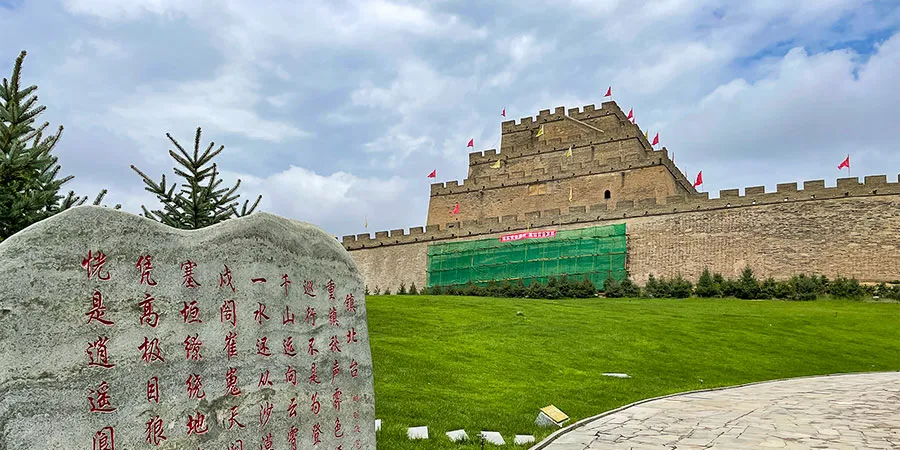
In ancient China, beacon towers formed part of frontier defenses that later integrated into the Great Wall of China. Guards stationed in these towers monitored the horizon for signs of invasion.
If enemy forces approached, smoke signals during the day or fires at night alerted neighboring towers.
Optical Signaling in the Mediterranean
Greek and Roman armies also used signal towers to coordinate troop movements. Some systems used coded torch signals to represent specific messages.
These early communication methods allowed rulers to maintain control over distant territories.
Mirrors and Sunlight
In certain regions, polished metal mirrors reflected sunlight to send signals during the day. Though simple, these optical methods were surprisingly effective over clear distances.
The First Information Networks
Beacon towers demonstrate that communication technology did not begin in the modern era. Ancient societies developed creative ways to overcome distance.
Their systems laid the conceptual foundation for later innovations in long-range communication.