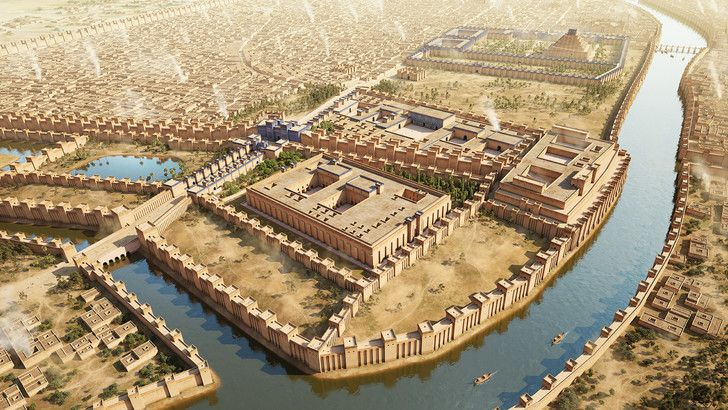
Cities did not emerge randomly. Even in the earliest civilizations, planners carefully designed streets, drainage systems, and building layouts to create functional and organized communities.
These early urban planners shaped the foundations of city life.
Grid Systems and Order
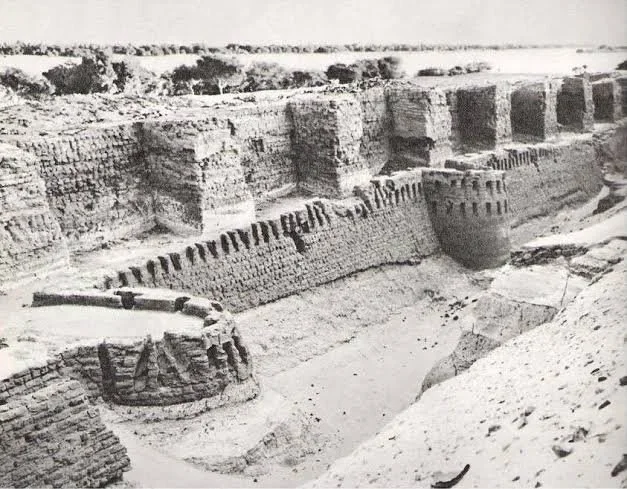
One of the most impressive examples of early urban planning comes from the cities of the Indus Valley civilization. At sites like Mohenjo-daro, streets were arranged in a grid pattern intersecting at right angles.
This layout allowed efficient movement through the city and demonstrated centralized planning.
Advanced Drainage and Sanitation
Many early cities invested heavily in water management. In Mohenjo-daro, houses connected to covered drainage channels running beneath streets. Wastewater flowed away from living areas, improving hygiene.
Such systems show that ancient planners understood the importance of sanitation for urban life.
Harmonious Architecture
Buildings within early cities often followed consistent proportions and construction methods. Standardized bricks were used to maintain structural stability and aesthetic uniformity.
Public spaces such as marketplaces, baths, and assembly halls were integrated into urban layouts.
Planning for Growth
Early cities also included storage facilities, defensive walls, and administrative buildings. These features indicate anticipation of population growth and political organization.
Foundations of Modern Cities
The work of these ancient planners continues to influence modern urban design. Grid systems, infrastructure planning, and zoning concepts all trace their roots to early civilizations.
Their cities prove that thoughtful planning has always been essential for thriving communities.