Introduction
Located within present-day Shiloh National Military Park in southwestern Tennessee, the Shiloh Mounds preserve the remains of a thriving Mississippian village occupied between approximately 1000 and 1450 CE. Long before the famous Civil War battle took place on the same landscape, Native American communities established a prosperous settlement overlooking the Tennessee River, taking advantage of fertile floodplains, abundant wildlife, and strategic river transportation. The site consisted of several platform mounds surrounding a central plaza and served as a regional political, ceremonial, and trading center for neighboring farming villages.
Village Layout and Platform Mounds
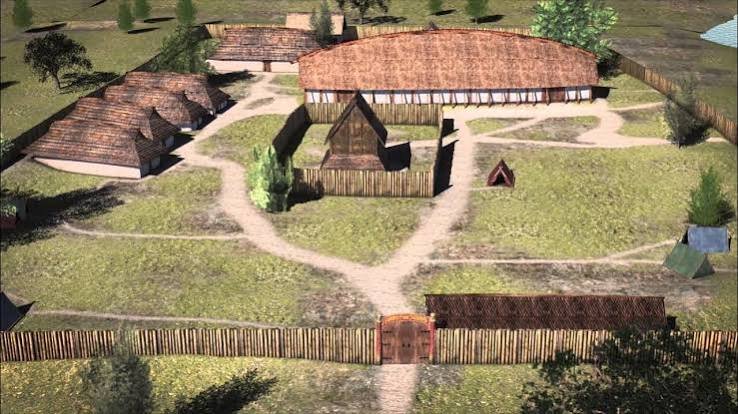
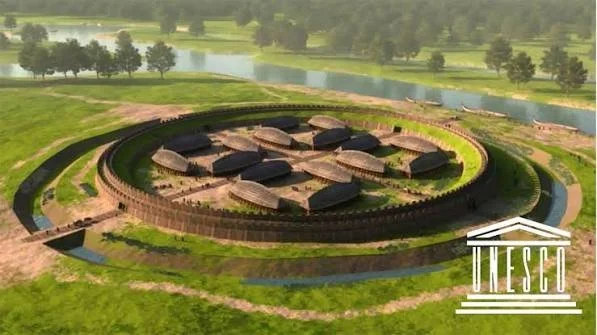
The settlement was organized around a spacious rectangular plaza bordered by six earthen platform mounds. These mounds were constructed through repeated deposits of compacted earth and clay carried in woven baskets. Wooden temples, council houses, and elite residences stood atop the elevated platforms, while ordinary homes surrounded the ceremonial center.
The open plaza functioned as the heart of community life, hosting religious ceremonies, political meetings, athletic competitions, seasonal festivals, and communal feasts. The carefully planned arrangement reflects the organized urban planning typical of Mississippian settlements.
Agriculture and Daily Life
The people of Shiloh practiced intensive farming centered on maize cultivation, supplemented by beans, squash, and sunflower production. The nearby Tennessee River provided fish, freshwater mussels, turtles, and transportation routes, while surrounding forests supplied deer, turkey, and other game.
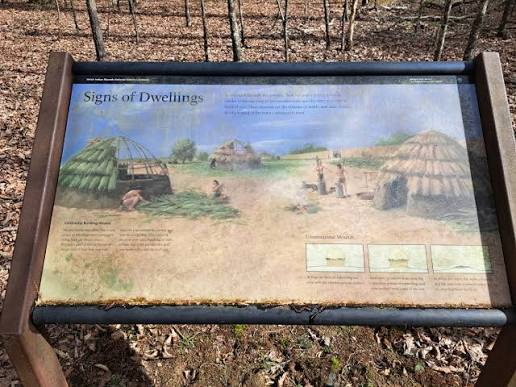
Residents built rectangular houses using wooden poles, woven cane walls, and clay plaster. Storage pits beneath house floors preserved harvested crops, allowing the community to maintain a stable food supply throughout the year.
Trade and Religious Activities
Shiloh participated in extensive Mississippian trade networks linking communities throughout the Southeast. Archaeologists have recovered shell ornaments, copper objects, decorated pottery, and finely crafted stone tools imported from distant regions.
Religion centered on temples atop the platform mounds, where priests conducted ceremonies honoring ancestors, agricultural spirits, and celestial forces. Public rituals, dances, and seasonal festivals strengthened community identity while reinforcing the authority of hereditary leaders.
Archaeological Importance
Excavations have revealed mound construction phases, domestic structures, storage facilities, pottery workshops, food remains, and ceremonial artifacts that document centuries of occupation before the settlement was eventually abandoned. The site's preservation within a national military park has allowed archaeologists to study one of Tennessee's best-preserved Mississippian communities.
Conclusion
The Shiloh Mounds stand as an important example of a Mississippian river village, illustrating the successful combination of agriculture, trade, ceremonial architecture, and political organization along the Tennessee River. Its platform mounds, central plaza, and rich archaeological remains provide valuable insight into the daily life, engineering achievements, and cultural traditions of the Indigenous societies that flourished in the region centuries before European contact.