Introduction
Located near the Ohio River in western Kentucky, Slack Farm was a thriving Mississippian village occupied between approximately 1400 and 1650 CE. The settlement formed part of a network of farming communities that flourished along the Ohio River during the late prehistoric period. Today, Slack Farm is remembered not only for its archaeological significance but also for one of the most devastating episodes of archaeological looting in American history. The destruction of hundreds of Native American burials during illegal excavations brought national attention to the urgent need for stronger cultural heritage protection laws.
Village Organization
Slack Farm consisted of numerous rectangular houses arranged around open plazas where community gatherings, ceremonies, and public activities occurred. Wooden palisades enclosed the settlement, providing protection from potential attacks while clearly defining the village's boundaries.
Agricultural fields surrounding the village produced large quantities of maize, beans, squash, and sunflowers. Hunting, fishing, and gathering supplemented the diet, while nearby forests supplied timber for house construction and fuel.
The settlement remained occupied for several centuries, reflecting a stable and productive farming economy supported by the fertile floodplains of the Ohio River.
Craft Production and Trade
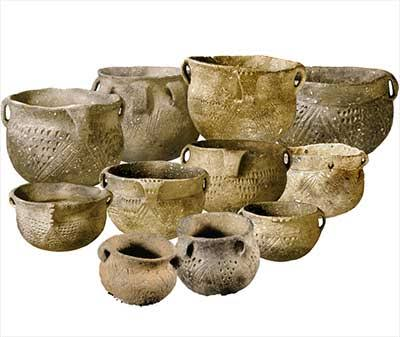
Residents produced shell-tempered pottery decorated with engraved and incised designs, stone tools, bone implements, woven textiles, and shell ornaments. Trade connected Slack Farm with neighboring Mississippian centers, allowing the exchange of prestige goods and valuable raw materials.
Excavations have revealed evidence of specialized craftsmanship, including stone tool manufacturing and ceramic production that reflected the broader artistic traditions of Mississippian societies.
The Archaeological Disaster
In 1987, Slack Farm suffered catastrophic damage when looters illegally excavated hundreds of Native American graves in search of artifacts to sell on the antiquities market. Human remains were carelessly discarded while priceless archaeological information was permanently destroyed.
The widespread public outrage generated by the incident contributed to stronger legal protections for Indigenous cultural heritage and increased awareness of the importance of preserving archaeological sites.
Today, Slack Farm stands as both a significant archaeological site and a powerful reminder of the irreversible consequences of cultural destruction.
Conclusion
Slack Farm represents an important chapter in the history of Kentucky's Mississippian societies while also serving as a landmark case in archaeological preservation. Its well-organized village, rich material culture, and tragic modern history emphasize both the achievements of prehistoric Native American communities and the responsibility to protect their cultural legacy.