• MAIN PAGE
  • LATEST NEWS
    • Lost Cities
    • Archaeology's Greatest Finds
    • Underwater Discoveries
    • Greatest Inventions
    • Studies
    • Blog
  • PHILOSOPHY
  • HISTORY
  • RELIGIONS
    • Africa
    • Anatolia
    • Arabian Peninsula
    • Balkan Region
    • China - East Asia
    • Europe
    • Eurasian Steppe
    • Levant
    • Mesopotamia
    • Oceania - SE Asia
    • Pre-Columbian Civilizations of America
    • Iranian Plateau - Central Asia
    • Indus Valley - South Asia
    • Japan
    • The Archaeologist Editor Group
    • Scientific Studies
    • Aegean Prehistory
    • Historical Period
    • Byzantine Middle Ages
    • Predynastic Period
    • Dynastic Period
    • Greco-Roman Egypt
  • Rome
  • PALEONTOLOGY
  • About us
Menu

The Archaeologist

  • MAIN PAGE
  • LATEST NEWS
  • DISCOVERIES
    • Lost Cities
    • Archaeology's Greatest Finds
    • Underwater Discoveries
    • Greatest Inventions
    • Studies
    • Blog
  • PHILOSOPHY
  • HISTORY
  • RELIGIONS
  • World Civilizations
    • Africa
    • Anatolia
    • Arabian Peninsula
    • Balkan Region
    • China - East Asia
    • Europe
    • Eurasian Steppe
    • Levant
    • Mesopotamia
    • Oceania - SE Asia
    • Pre-Columbian Civilizations of America
    • Iranian Plateau - Central Asia
    • Indus Valley - South Asia
    • Japan
    • The Archaeologist Editor Group
    • Scientific Studies
  • GREECE
    • Aegean Prehistory
    • Historical Period
    • Byzantine Middle Ages
  • Egypt
    • Predynastic Period
    • Dynastic Period
    • Greco-Roman Egypt
  • Rome
  • PALEONTOLOGY
  • About us
No results found

Kincaid Shelter: Kentucky's Prehistoric Rockshelter Art

November 8, 2026

Introduction

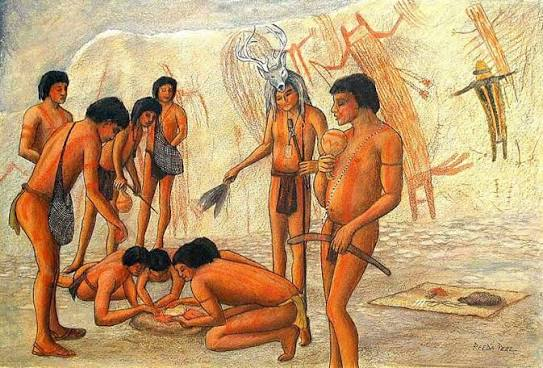
Kincaid Shelter is a prehistoric rockshelter archaeological site in Kentucky that preserves valuable evidence of Native American occupation spanning thousands of years. Formed naturally beneath an overhanging sandstone cliff, the shelter provided protection from rain, wind, and seasonal weather while serving as a temporary campsite for hunters, travelers, and small family groups. Archaeological investigations have revealed stone tools, hearths, food remains, and traces of prehistoric rock art, offering important insights into the daily lives and artistic traditions of Kentucky's ancient inhabitants.

Natural Formation and Occupation

The sandstone overhang created a dry living space overlooking nearby streams and forest resources. Such locations were ideal for seasonal camps because they provided access to fresh water, game animals, edible plants, and high-quality stone suitable for tool production.

Evidence suggests that different cultural groups repeatedly occupied the shelter over many centuries, returning during hunting seasons or while traveling through the region.

Rock Art and Symbolism

One of Kincaid Shelter's most significant features is its prehistoric rock art. Pigments and engraved designs preserved on the sandstone walls include geometric patterns, abstract symbols, handprints, and possible representations of animals and spiritual beings.

Although many of these images remain difficult to interpret, archaeologists believe they held ceremonial or symbolic meaning rather than serving as simple decoration. Similar rock art throughout the eastern United States has been associated with religious ceremonies, vision quests, territorial markers, and storytelling traditions.

Archaeological Discoveries

Excavations have uncovered stone projectile points, scrapers, hammerstones, bone tools, charcoal hearths, plant remains, and animal bones. These materials help reconstruct prehistoric diets, seasonal activities, and technological development.

The excellent preservation conditions within the shelter have allowed archaeologists to recover organic materials rarely found at open-air sites, providing a more complete understanding of ancient lifeways.

Conclusion

Kincaid Shelter offers an exceptional record of prehistoric occupation in Kentucky. Its combination of natural protection, archaeological deposits, and ancient rock art provides valuable evidence of Native American technology, artistic expression, and adaptation to the diverse landscapes of the Ohio Valley.

← Slack Farm: Kentucky's Fortified Village and Archaeological TragedyMammoth Cave Saltpeter Mining: Kentucky's Prehistoric Use →
Featured
teeth-record-the-hidde-3.jpg
November 8, 2026
The Bioarchaeology of Seasonal Labour: Isotope Signals in Teeth
November 8, 2026
Read more →
November 8, 2026
images - 2026-11-08T150408.637.jpeg
November 8, 2026
Submerged Religious Platforms in Inner Seas
November 8, 2026
Read more →
November 8, 2026
slovak_board.webp
November 8, 2026
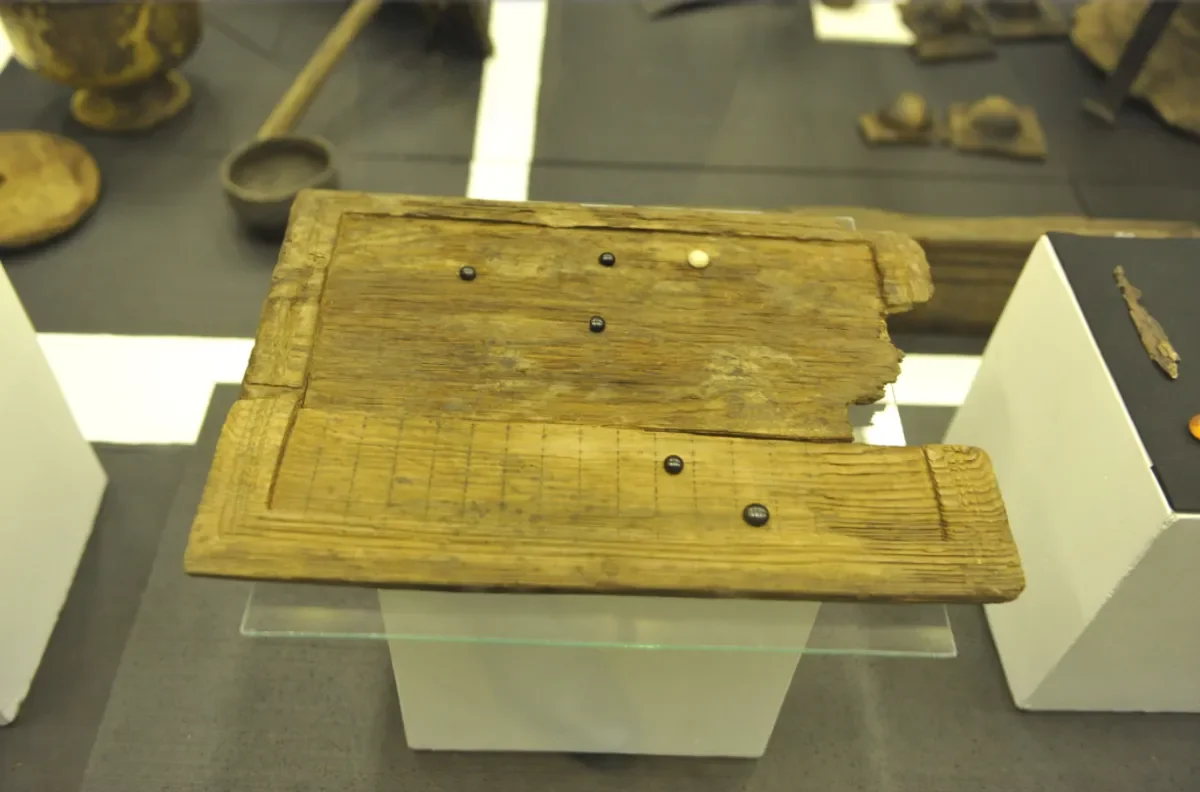
The Archaeology of Portable Game Boards and Social Play
November 8, 2026
Read more →
November 8, 2026
sacred-fire-ritual-stockcake.jpg
November 8, 2026
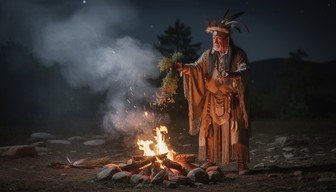
Charcoal Signatures of Ritual Fires in Open-Air Sites
November 8, 2026
Read more →
November 8, 2026
images - 2026-11-08T150121.506.jpeg
November 8, 2026
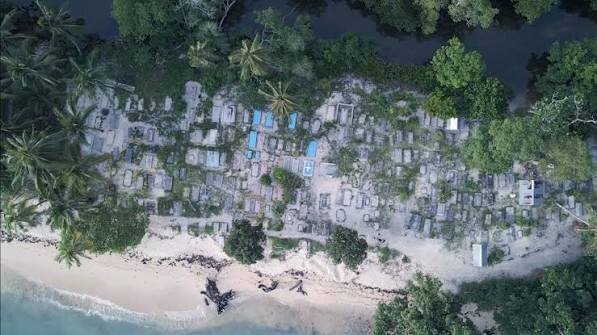
The Role of Little Islands as Neutral Burial Grounds in Oceania
November 8, 2026
Read more →
November 8, 2026
image_2026-08-05_222210138.png
November 8, 2026
Slack Farm: Kentucky's Fortified Village and Archaeological Tragedy
November 8, 2026
Read more →
November 8, 2026
read more

Powered by The archaeologist