Introduction
Storhaug is one of the remarkable Viking Age burial monuments of Norway, particularly important because archaeological investigation has revealed evidence connected with a ship burial and elite society.
The site belongs to a wider Scandinavian tradition in which ships, burial monuments, and high-status individuals were closely associated.
Ship burials are among the most visually dramatic expressions of Viking Age funerary culture. They required enormous resources and transformed an ordinary means of transportation into a monument to the dead.
The Meaning of a Ship Burial
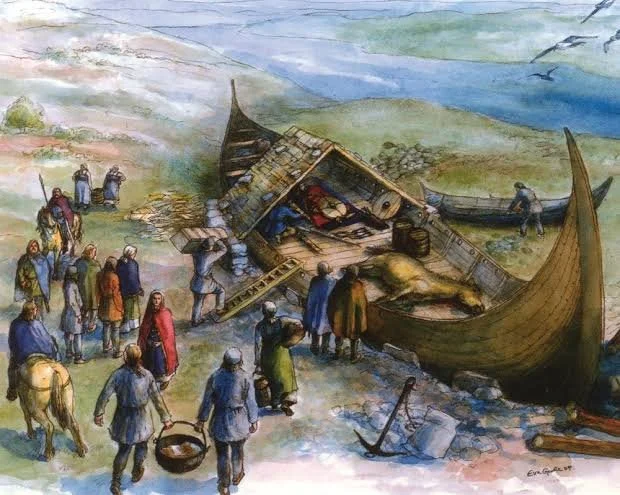
A ship burial involved placing a vessel within a grave or burial monument.
The practice was not simply a practical method of disposing of a body.
A ship was an expensive technological object.
Constructing one required large quantities of timber, iron, skilled labor, and specialized knowledge.
Consequently, burying a ship demonstrated the resources available to the deceased or their community.
Storhaug in Context
Storhaug should be understood within the broader landscape of Viking Age elite culture in southwestern Norway.
The region contained wealthy farms, maritime routes, burial monuments, and communities involved in regional political networks.
The placement of monumental graves in prominent landscapes could help establish social authority.
The Idea of "Double" Burial
The site's association with multiple vessels or burial episodes has contributed to its distinctive archaeological interpretation.
However, terminology surrounding Viking burials can sometimes oversimplify complex archaeological evidence.
Researchers distinguish between primary burials, later interventions, boat components, and reused monuments.
Such distinctions are important because burial landscapes could remain meaningful for generations.
Ships as Symbols of Authority
Why were ships so powerful as symbols?
Part of the answer lies in their practical importance.
A large ship demonstrated access to resources.
It could transport warriors, merchants, diplomats, or settlers.
It connected communities across the sea.
A ship therefore represented mobility and power.
Placing one in a burial monument transformed that practical power into a permanent memorial.
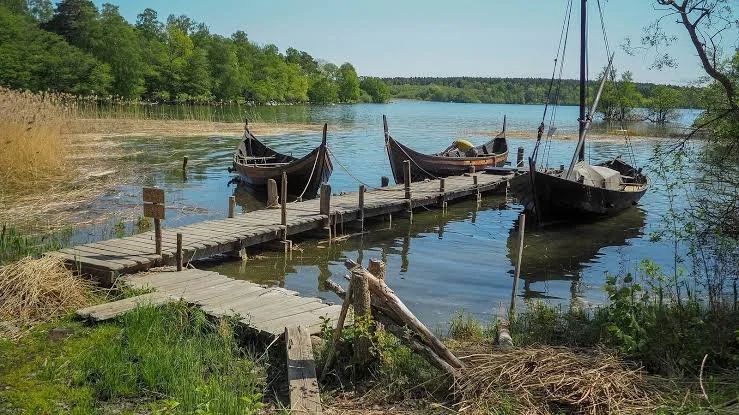
Viking Maritime Technology
The ships associated with elite burials demonstrate sophisticated construction.
Scandinavian shipwrights used clinker techniques in which overlapping planks created flexible hulls.
The vessels could use both sails and oars.
Their shallow drafts allowed them to approach beaches and navigate coastal waterways.
These characteristics made Viking ships exceptionally versatile.
Burial Goods
Ship burials could include numerous objects.
Weapons might symbolize martial identity.
Tools could represent everyday activities.
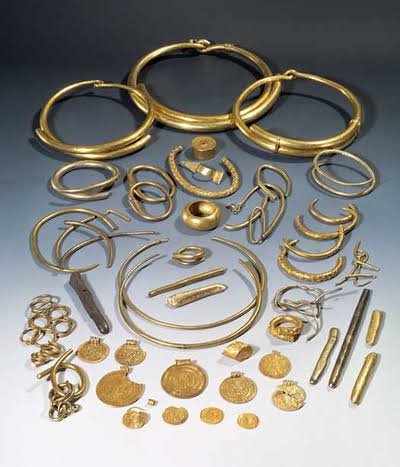
Textiles and jewelry could communicate wealth.
Animals might have practical or ritual significance.
Transportation equipment could reinforce elite status.
The combination of objects provides archaeologists with clues about the social identity of the deceased.
Political Landscapes
Burial monuments were often positioned strategically.
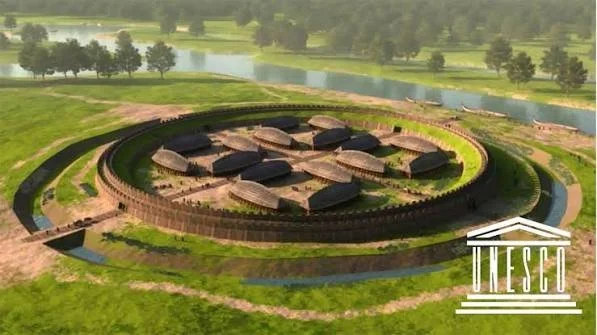
A prominent mound could be seen from surrounding settlements or routes.
This visibility allowed the dead to remain part of the social landscape.
Ancestors could become symbols of continuity.
In societies where political legitimacy depended on lineage, monumental burial sites could therefore reinforce claims to authority.
Archaeological Methods
Modern investigation of Viking burial sites increasingly combines excavation with non-invasive methods.
Geophysical survey can detect buried structures.
Soil analysis can identify changes caused by ancient activity.
Scientific dating can establish chronological sequences.
Artifact analysis can reconstruct trade and craft networks.
Together, these methods provide a more complete picture than excavation alone.
Conclusion
Storhaug contributes to our understanding of the relationship between ships, burial, and political power in Viking Age Norway.
Its importance lies not simply in the physical remains but in what they reveal about the society capable of creating such monuments.
A ship required skilled craftsmen, forests, ironworkers, organized labor, and substantial resources. Turning that ship into a burial monument therefore represented a dramatic display of wealth and authority.
Storhaug demonstrates that Viking Age maritime technology was also a language of status. The ship could carry the living across the sea, but in death it could become a monument preserving the memory and power of an elite individual or family.