• MAIN PAGE
  • LATEST NEWS
    • Lost Cities
    • Archaeology's Greatest Finds
    • Underwater Discoveries
    • Greatest Inventions
    • Studies
    • Blog
  • PHILOSOPHY
  • HISTORY
  • RELIGIONS
    • Africa
    • Anatolia
    • Arabian Peninsula
    • Balkan Region
    • China - East Asia
    • Europe
    • Eurasian Steppe
    • Levant
    • Mesopotamia
    • Oceania - SE Asia
    • Pre-Columbian Civilizations of America
    • Iranian Plateau - Central Asia
    • Indus Valley - South Asia
    • Japan
    • The Archaeologist Editor Group
    • Scientific Studies
    • Aegean Prehistory
    • Historical Period
    • Byzantine Middle Ages
    • Predynastic Period
    • Dynastic Period
    • Greco-Roman Egypt
  • Rome
  • PALEONTOLOGY
  • About us
Menu

The Archaeologist

  • MAIN PAGE
  • LATEST NEWS
  • DISCOVERIES
    • Lost Cities
    • Archaeology's Greatest Finds
    • Underwater Discoveries
    • Greatest Inventions
    • Studies
    • Blog
  • PHILOSOPHY
  • HISTORY
  • RELIGIONS
  • World Civilizations
    • Africa
    • Anatolia
    • Arabian Peninsula
    • Balkan Region
    • China - East Asia
    • Europe
    • Eurasian Steppe
    • Levant
    • Mesopotamia
    • Oceania - SE Asia
    • Pre-Columbian Civilizations of America
    • Iranian Plateau - Central Asia
    • Indus Valley - South Asia
    • Japan
    • The Archaeologist Editor Group
    • Scientific Studies
  • GREECE
    • Aegean Prehistory
    • Historical Period
    • Byzantine Middle Ages
  • Egypt
    • Predynastic Period
    • Dynastic Period
    • Greco-Roman Egypt
  • Rome
  • PALEONTOLOGY
  • About us

The Agriculture of the Indus Valley

January 3, 2026

Introduction to Harappan Agriculture
The Indus Valley Civilization (c. 3300–1300 BCE) thrived along the fertile plains of the Indus River. Agriculture formed the backbone of this early civilization, supporting dense urban populations in cities like Harappa and Mohenjo-Daro.

Farming Techniques
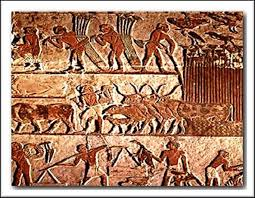
Harappans cultivated wheat, barley, peas, sesame, and cotton. They developed sophisticated irrigation systems, including canals and reservoirs, to manage seasonal monsoon floods. Farmers used plows and tools made from stone and copper, improving efficiency and crop yields.

Animal Husbandry
Domesticated animals, such as cattle, water buffalo, goats, and sheep, played an essential role. Livestock provided meat, milk, hides, and labor, supporting both subsistence farming and trade.

Economic and Social Impact
Agricultural surplus enabled urban growth, trade specialization, and social stratification. Granaries stored excess grain to stabilize food supply, demonstrating a highly organized administrative system.

Environmental Adaptation
The Indus farmers adapted to fluctuating river patterns and arid zones, showing an advanced understanding of hydrology and soil management. Agriculture not only sustained life but also enabled the civilization to flourish culturally and economically.

← The Astronomy of the NabataeansThe Sacred Groves of Ancient Greece →
Featured
image_2026-01-06_134320453.png
Jan 6, 2026
The First People Who Tried to Measure Time
Jan 6, 2026
Read More →
Jan 6, 2026
image_2026-01-06_133626200.png
Jan 6, 2026
Sacred Animals That Ruled Early Civilizations
Jan 6, 2026
Read More →
Jan 6, 2026
image_2026-01-06_132755604.png
Jan 6, 2026
The Ancient Engineers Who Built Impossible Machines
Jan 6, 2026
Read More →
Jan 6, 2026
image_2026-01-06_131900830.png
Jan 6, 2026
Cave Paintings That Shouldn’t Exist
Jan 6, 2026
Read More →
Jan 6, 2026
image_2026-01-06_131439569.png
Jan 6, 2026
The Mysterious Healing Temples of the Ancients
Jan 6, 2026
Read More →
Jan 6, 2026
image_2026-01-06_130309094.png
Jan 6, 2026
The Oldest Known Maps of the Earth
Jan 6, 2026
Read More →
Jan 6, 2026
read more

Powered by The archaeologist