• MAIN PAGE
  • LATEST NEWS
    • Lost Cities
    • Archaeology's Greatest Finds
    • Underwater Discoveries
    • Greatest Inventions
    • Studies
    • Blog
  • PHILOSOPHY
  • HISTORY
  • RELIGIONS
    • Africa
    • Anatolia
    • Arabian Peninsula
    • Balkan Region
    • China - East Asia
    • Europe
    • Eurasian Steppe
    • Levant
    • Mesopotamia
    • Oceania - SE Asia
    • Pre-Columbian Civilizations of America
    • Iranian Plateau - Central Asia
    • Indus Valley - South Asia
    • Japan
    • The Archaeologist Editor Group
    • Scientific Studies
    • Aegean Prehistory
    • Historical Period
    • Byzantine Middle Ages
    • Predynastic Period
    • Dynastic Period
    • Greco-Roman Egypt
  • Rome
  • PALEONTOLOGY
  • About us
Menu

The Archaeologist

  • MAIN PAGE
  • LATEST NEWS
  • DISCOVERIES
    • Lost Cities
    • Archaeology's Greatest Finds
    • Underwater Discoveries
    • Greatest Inventions
    • Studies
    • Blog
  • PHILOSOPHY
  • HISTORY
  • RELIGIONS
  • World Civilizations
    • Africa
    • Anatolia
    • Arabian Peninsula
    • Balkan Region
    • China - East Asia
    • Europe
    • Eurasian Steppe
    • Levant
    • Mesopotamia
    • Oceania - SE Asia
    • Pre-Columbian Civilizations of America
    • Iranian Plateau - Central Asia
    • Indus Valley - South Asia
    • Japan
    • The Archaeologist Editor Group
    • Scientific Studies
  • GREECE
    • Aegean Prehistory
    • Historical Period
    • Byzantine Middle Ages
  • Egypt
    • Predynastic Period
    • Dynastic Period
    • Greco-Roman Egypt
  • Rome
  • PALEONTOLOGY
  • About us

The Sacred Groves of Ancient Greece

January 3, 2026

Definition and Significance
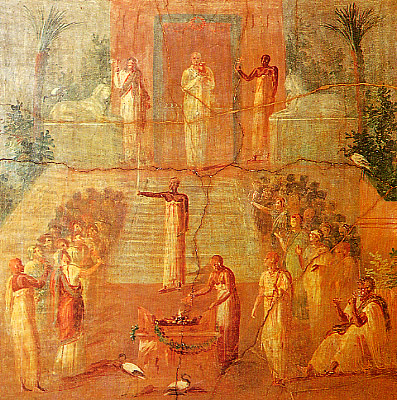
Sacred groves in ancient Greece were natural wooded areas considered holy spaces dedicated to gods, goddesses, and spirits. Unlike constructed temples, these groves were naturally occurring and often left untouched, reinforcing the idea that divinity could inhabit the natural world. They served as places for worship, meditation, and religious rituals.

Religious Practices
Worship in sacred groves involved rituals such as sacrifices, prayers, and libations. Certain groves were dedicated to specific deities—for example, groves of oaks were sacred to Zeus, while those near water sources were linked to nymphs or Artemis. Sacred groves were sites for festivals and processions where the community participated collectively, connecting spiritual devotion with social cohesion.

Protection and Cultural Beliefs
Groves were protected by religious taboos. Cutting trees, hunting, or desecrating these areas was prohibited, often under the threat of divine retribution. This practice reflected a broader Greek understanding of the natural world as a sacred ecosystem, intertwining ecological preservation with religious belief.

Legacy and Influence
The concept of sacred groves influenced later European and Roman practices, including the use of natural sanctuaries for religious and social purposes. These groves also provide archaeologists with insight into the spiritual lives of ancient communities and the integration of nature into religious thought.

← The Agriculture of the Indus ValleyPublic talk in Oswestry explores archaeological findings →
Featured
image_2026-01-06_134320453.png
Jan 6, 2026
The First People Who Tried to Measure Time
Jan 6, 2026
Read More →
Jan 6, 2026
image_2026-01-06_133626200.png
Jan 6, 2026
Sacred Animals That Ruled Early Civilizations
Jan 6, 2026
Read More →
Jan 6, 2026
image_2026-01-06_132755604.png
Jan 6, 2026
The Ancient Engineers Who Built Impossible Machines
Jan 6, 2026
Read More →
Jan 6, 2026
image_2026-01-06_131900830.png
Jan 6, 2026
Cave Paintings That Shouldn’t Exist
Jan 6, 2026
Read More →
Jan 6, 2026
image_2026-01-06_131439569.png
Jan 6, 2026
The Mysterious Healing Temples of the Ancients
Jan 6, 2026
Read More →
Jan 6, 2026
image_2026-01-06_130309094.png
Jan 6, 2026
The Oldest Known Maps of the Earth
Jan 6, 2026
Read More →
Jan 6, 2026
read more

Powered by The archaeologist