Babylon was one of the most influential cities of the ancient world, located along the Euphrates River in Mesopotamia. It rose to prominence under King Hammurabi, whose legal code became a foundation for governance and justice. The city later reached its height under Nebuchadnezzar II.
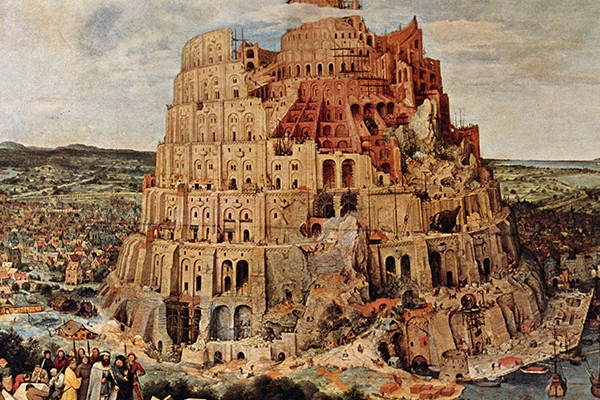
Architecturally, Babylon was famous for its massive walls, ceremonial gates, and monumental ziggurats. The most renowned structure was the Etemenanki ziggurat, believed by many scholars to be the inspiration for the biblical Tower of Babel. These towering structures symbolized the connection between heaven and earth.
Babylon was also a center of science, astronomy, and literature. Scholars developed advanced mathematical systems and recorded celestial movements that influenced later Greek astronomy. The city’s scribes preserved myths, omens, and historical records on clay tablets.
Politically and culturally, Babylon represented imperial power and divine favor. Its eventual fall to the Persians marked the end of an era, but its legacy continued to shape religion, law, and myth across civilizations.