• MAIN PAGE
  • LATEST NEWS
    • Lost Cities
    • Archaeology's Greatest Finds
    • Underwater Discoveries
    • Greatest Inventions
    • Studies
    • Blog
  • PHILOSOPHY
  • HISTORY
  • RELIGIONS
    • Africa
    • Anatolia
    • Arabian Peninsula
    • Balkan Region
    • China - East Asia
    • Europe
    • Eurasian Steppe
    • Levant
    • Mesopotamia
    • Oceania - SE Asia
    • Pre-Columbian Civilizations of America
    • Iranian Plateau - Central Asia
    • Indus Valley - South Asia
    • Japan
    • The Archaeologist Editor Group
    • Scientific Studies
    • Aegean Prehistory
    • Historical Period
    • Byzantine Middle Ages
    • Predynastic Period
    • Dynastic Period
    • Greco-Roman Egypt
  • Rome
  • PALEONTOLOGY
  • About us
Menu

The Archaeologist

  • MAIN PAGE
  • LATEST NEWS
  • DISCOVERIES
    • Lost Cities
    • Archaeology's Greatest Finds
    • Underwater Discoveries
    • Greatest Inventions
    • Studies
    • Blog
  • PHILOSOPHY
  • HISTORY
  • RELIGIONS
  • World Civilizations
    • Africa
    • Anatolia
    • Arabian Peninsula
    • Balkan Region
    • China - East Asia
    • Europe
    • Eurasian Steppe
    • Levant
    • Mesopotamia
    • Oceania - SE Asia
    • Pre-Columbian Civilizations of America
    • Iranian Plateau - Central Asia
    • Indus Valley - South Asia
    • Japan
    • The Archaeologist Editor Group
    • Scientific Studies
  • GREECE
    • Aegean Prehistory
    • Historical Period
    • Byzantine Middle Ages
  • Egypt
    • Predynastic Period
    • Dynastic Period
    • Greco-Roman Egypt
  • Rome
  • PALEONTOLOGY
  • About us

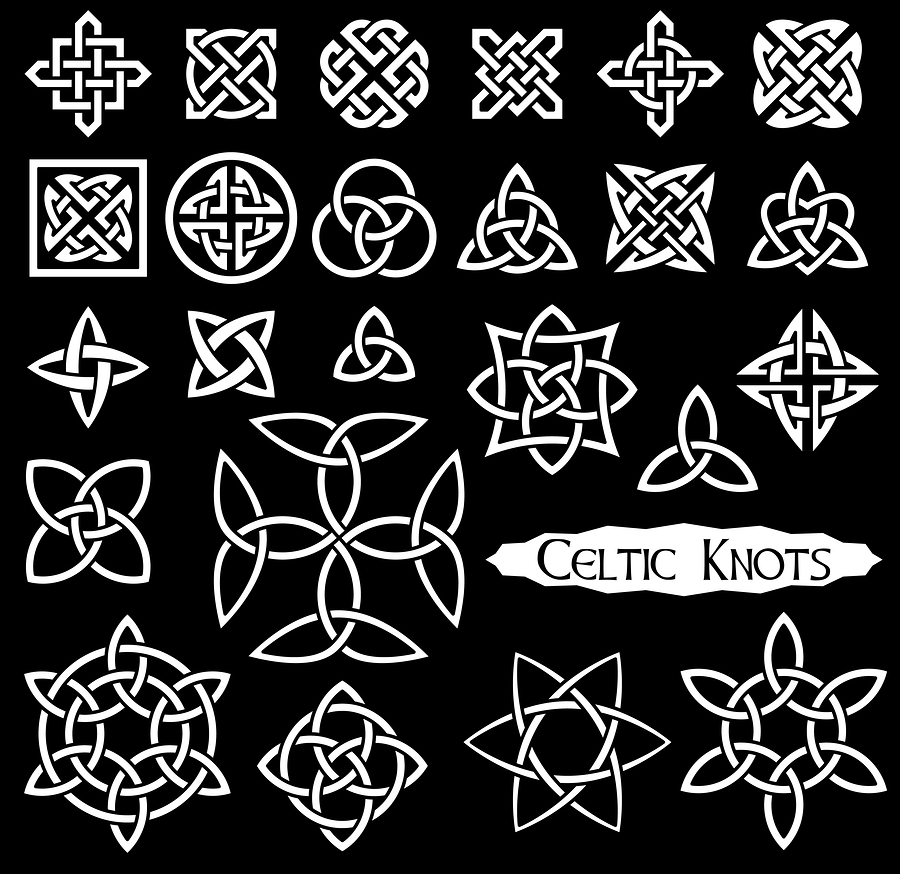
The Celtic Knot: Symbolism and Meaning

December 27, 2025

The Celtic knot is one of the most recognizable symbols of ancient Celtic culture. Characterized by endless, interwoven lines with no clear beginning or end, the knot represents eternity, continuity, and the interconnectedness of life. These designs appeared in metalwork, stone carvings, and illuminated manuscripts.

For the Celts, who believed deeply in cycles of nature, the knot symbolized the eternal flow between life, death, and rebirth. It reflected their worldview, which emphasized harmony between humans, the natural world, and the spiritual realm. Each knot pattern carried layered meanings rather than a single interpretation.

Celtic knots were also associated with protection and spiritual power. Warriors wore knot designs into battle, believing they offered divine protection. Later, Christian monks adopted these designs, blending pagan symbolism with Christian theology in manuscripts like the Book of Kells.

Today, Celtic knots remain enduring symbols of heritage, spirituality, and unity. Their survival demonstrates the lasting influence of Celtic artistic and philosophical traditions.
← The Religious Festivals of Ancient RomeThe Ancient City of Babylon →
Featured
image_2025-12-27_220439520.png
Dec 27, 2025
The Rituals of the Ancient Druids
Dec 27, 2025
Read More →
Dec 27, 2025
image_2025-12-27_214828498.png
Dec 27, 2025
The Lost Civilization of Tartessos
Dec 27, 2025
Read More →
Dec 27, 2025
image_2025-12-27_214128151.png
Dec 27, 2025
The Iron Age in Sub-Saharan Africa
Dec 27, 2025
Read More →
Dec 27, 2025
image_2025-12-27_212939823.png
Dec 27, 2025
The Ancient Dyes and Colors Industry
Dec 27, 2025
Read More →
Dec 27, 2025
image_2025-12-27_212833941.png
Dec 27, 2025
The First Known Peace Treaties
Dec 27, 2025
Read More →
Dec 27, 2025
image_2025-12-27_212314950.png
Dec 27, 2025
The Origins of the Samurai
Dec 27, 2025
Read More →
Dec 27, 2025
read more

Powered by The archaeologist