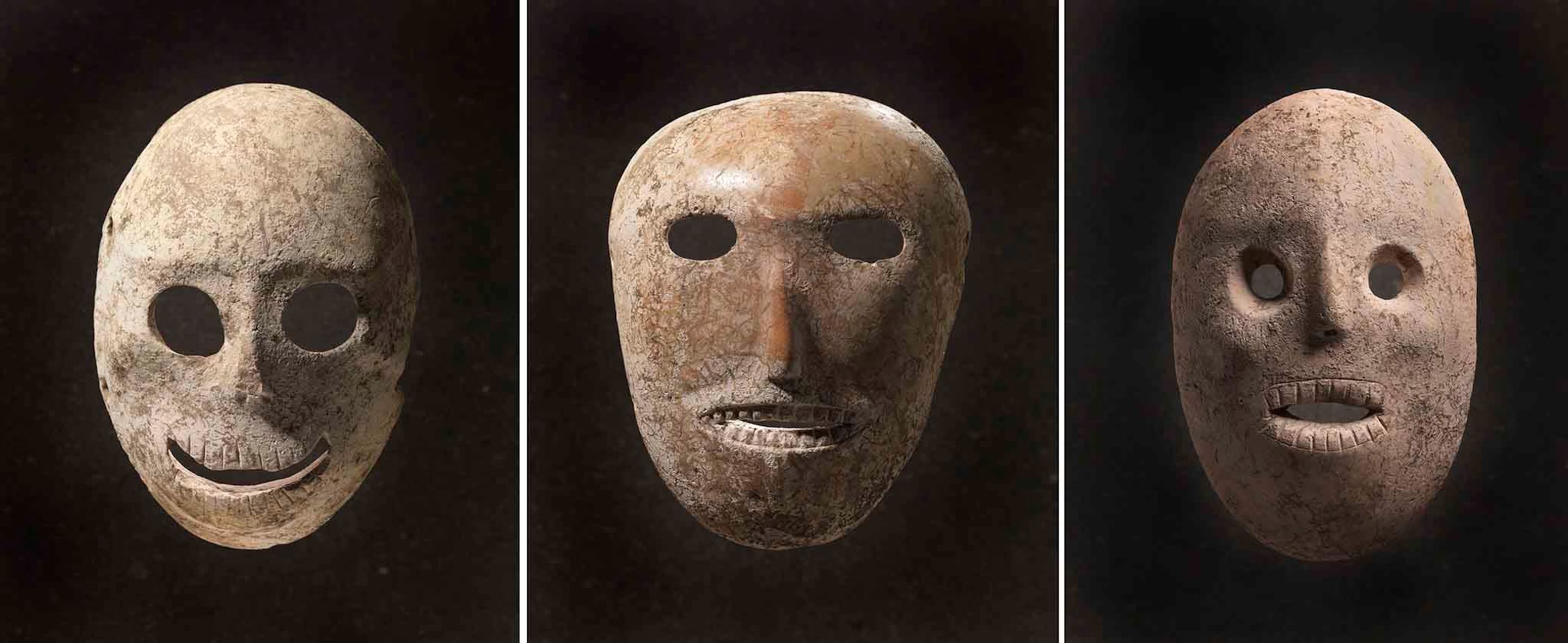
Ritual masks played a vital role in ancient religious and ceremonial practices across many civilizations. In Africa, masks were believed to allow wearers to embody spirits, ancestors, or gods during dances and rites. These masks were not mere decorations but sacred objects imbued with spiritual power.
In ancient Greece, masks were central to theatrical performances that originated as religious rituals honoring Dionysus. Actors used masks to represent gods, heroes, and mythical creatures, allowing a single performer to portray multiple roles. The exaggerated expressions helped convey emotions to large audiences while reinforcing mythological narratives.
In Japan, ritual masks were used in Shinto ceremonies and later in Noh theater. These masks symbolized gods, demons, women, and spirits, often designed to appear emotionally dynamic depending on the angle of light. Their use reflected Japanese beliefs about impermanence and spiritual presence.
In the Americas, particularly among the Maya and Aztec, masks were used in funerary rituals and ceremonies linked to cosmic cycles. Jade, obsidian, and turquoise masks represented transformation and rebirth. Across cultures, ritual masks served as tools for crossing boundaries between the human and divine worlds.