Early Settlement and Location
Jericho, located near the Jordan River, is one of the oldest known cities in the world. Archaeological evidence shows continuous human occupation dating back over 10,000 years. Its location near natural springs made it ideal for early agriculture and settlement.
Neolithic Jericho
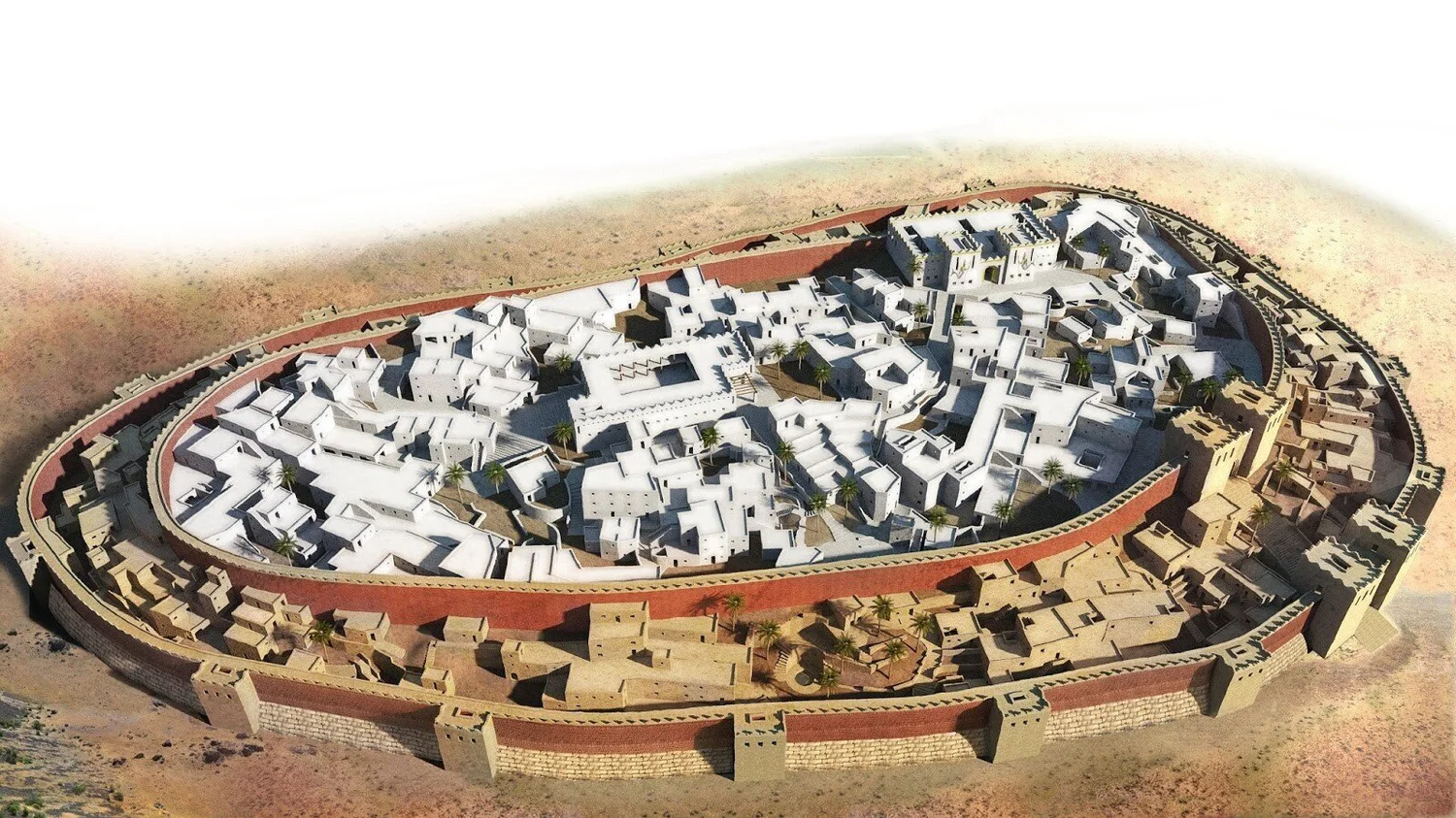
Excavations reveal that Jericho was a fortified settlement during the Neolithic period. Stone walls and a massive tower suggest organized labor and communal defense. These structures challenge assumptions about early human societies being simple or nomadic.
Urban Development Over Time
Jericho evolved through multiple cultural phases, including Bronze Age and Iron Age settlements. Each layer reveals changes in architecture, technology, and social organization. The city’s resilience reflects its adaptability to environmental and political changes.
Biblical and Historical Interpretations
Jericho is prominently mentioned in biblical texts, particularly the story of Joshua. Archaeological findings have sparked debate over the historical accuracy of these accounts, encouraging dialogue between archaeology and religious tradition.
Trade and Economy
Jericho’s location along trade routes allowed it to flourish economically. Agricultural production, including dates and grains, supported long-term settlement and population growth.
Significance in Human History
Jericho’s long history provides critical insight into early urbanization, social organization, and human adaptation. It stands as a key site for understanding the origins of civilization.