• MAIN PAGE
  • LATEST NEWS
    • Lost Cities
    • Archaeology's Greatest Finds
    • Underwater Discoveries
    • Greatest Inventions
    • Studies
    • Blog
  • PHILOSOPHY
  • HISTORY
  • RELIGIONS
    • Africa
    • Anatolia
    • Arabian Peninsula
    • Balkan Region
    • China - East Asia
    • Europe
    • Eurasian Steppe
    • Levant
    • Mesopotamia
    • Oceania - SE Asia
    • Pre-Columbian Civilizations of America
    • Iranian Plateau - Central Asia
    • Indus Valley - South Asia
    • Japan
    • The Archaeologist Editor Group
    • Scientific Studies
    • Aegean Prehistory
    • Historical Period
    • Byzantine Middle Ages
    • Predynastic Period
    • Dynastic Period
    • Greco-Roman Egypt
  • Rome
  • PALEONTOLOGY
  • About us
Menu

The Archaeologist

  • MAIN PAGE
  • LATEST NEWS
  • DISCOVERIES
    • Lost Cities
    • Archaeology's Greatest Finds
    • Underwater Discoveries
    • Greatest Inventions
    • Studies
    • Blog
  • PHILOSOPHY
  • HISTORY
  • RELIGIONS
  • World Civilizations
    • Africa
    • Anatolia
    • Arabian Peninsula
    • Balkan Region
    • China - East Asia
    • Europe
    • Eurasian Steppe
    • Levant
    • Mesopotamia
    • Oceania - SE Asia
    • Pre-Columbian Civilizations of America
    • Iranian Plateau - Central Asia
    • Indus Valley - South Asia
    • Japan
    • The Archaeologist Editor Group
    • Scientific Studies
  • GREECE
    • Aegean Prehistory
    • Historical Period
    • Byzantine Middle Ages
  • Egypt
    • Predynastic Period
    • Dynastic Period
    • Greco-Roman Egypt
  • Rome
  • PALEONTOLOGY
  • About us

The Symbolism of the Lotus in Ancient Cultures

December 27, 2025

Natural Characteristics of the Lotus
The lotus grows in muddy water but blooms clean and beautiful, making it a powerful symbol of purity and renewal. This natural cycle inspired spiritual meanings across multiple ancient cultures.

Lotus Symbolism in Ancient Egypt
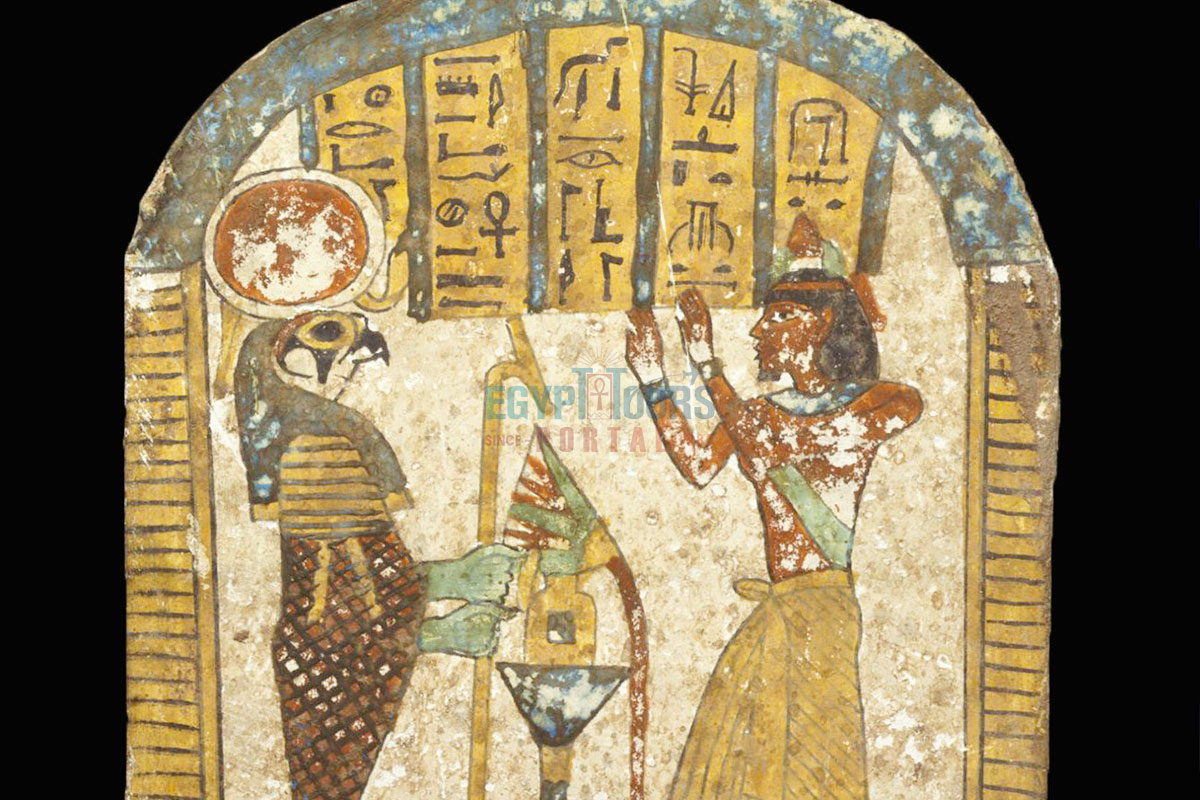
In Egypt, the lotus symbolized rebirth, creation, and the sun. The flower was associated with the sun god Ra and the daily rebirth of the sun. Lotus imagery appeared in tombs, temples, and funerary art, reinforcing beliefs about resurrection and eternal life.

Lotus in Indian Religious Thought
In Hinduism and Buddhism, the lotus represents spiritual awakening and detachment from material suffering. Deities such as Vishnu and Lakshmi are depicted seated on lotus flowers, symbolizing divine purity and cosmic balance. In Buddhism, the lotus represents enlightenment arising from ignorance.

East Asian Interpretations
In Chinese and East Asian traditions, the lotus symbolizes moral integrity, harmony, and renewal. It became a central motif in art, poetry, and religious symbolism, especially within Buddhist practice.

Artistic and Cultural Influence
Lotus imagery appears in architecture, sculpture, and literature across civilizations. Its symbolic meanings transcended geography, connecting diverse cultures through shared spiritual ideas.

Enduring Legacy
The lotus remains a universal symbol of rebirth, resilience, and spiritual growth. Its continued use in religious and cultural contexts reflects humanity’s enduring search for meaning and renewal.
← The First Legal Codes: Hammurabi’s LawsThe Ancient City of Jericho →
Featured
image_2025-12-27_175559310.png
Dec 27, 2025
The Hellenistic Libraries of the Ancient World
Dec 27, 2025
Read More →
Dec 27, 2025
image_2025-12-27_175034115.png
Dec 27, 2025
The Ancient Oracle of Siwa
Dec 27, 2025
Read More →
Dec 27, 2025
image_2025-12-27_174206291.png
Dec 27, 2025
The Megalithic Temples of Malta
Dec 27, 2025
Read More →
Dec 27, 2025
image_2025-12-27_174101989.png
Dec 27, 2025
The Bronze Mirrors of Ancient China
Dec 27, 2025
Read More →
Dec 27, 2025
image_2025-12-27_173423723.png
Dec 27, 2025
The Oldest Known Surgery Techniques
Dec 27, 2025
Read More →
Dec 27, 2025
image_2025-12-27_172050689.png
Dec 27, 2025
The Role of the Jaguar in Mesoamerican Religion
Dec 27, 2025
Read More →
Dec 27, 2025
read more

Powered by The archaeologist