• MAIN PAGE
  • LATEST NEWS
    • Lost Cities
    • Archaeology's Greatest Finds
    • Underwater Discoveries
    • Greatest Inventions
    • Studies
    • Blog
  • PHILOSOPHY
  • HISTORY
  • RELIGIONS
    • Africa
    • Anatolia
    • Arabian Peninsula
    • Balkan Region
    • China - East Asia
    • Europe
    • Eurasian Steppe
    • Levant
    • Mesopotamia
    • Oceania - SE Asia
    • Pre-Columbian Civilizations of America
    • Iranian Plateau - Central Asia
    • Indus Valley - South Asia
    • Japan
    • The Archaeologist Editor Group
    • Scientific Studies
    • Aegean Prehistory
    • Historical Period
    • Byzantine Middle Ages
    • Predynastic Period
    • Dynastic Period
    • Greco-Roman Egypt
  • Rome
  • PALEONTOLOGY
  • About us
Menu

The Archaeologist

  • MAIN PAGE
  • LATEST NEWS
  • DISCOVERIES
    • Lost Cities
    • Archaeology's Greatest Finds
    • Underwater Discoveries
    • Greatest Inventions
    • Studies
    • Blog
  • PHILOSOPHY
  • HISTORY
  • RELIGIONS
  • World Civilizations
    • Africa
    • Anatolia
    • Arabian Peninsula
    • Balkan Region
    • China - East Asia
    • Europe
    • Eurasian Steppe
    • Levant
    • Mesopotamia
    • Oceania - SE Asia
    • Pre-Columbian Civilizations of America
    • Iranian Plateau - Central Asia
    • Indus Valley - South Asia
    • Japan
    • The Archaeologist Editor Group
    • Scientific Studies
  • GREECE
    • Aegean Prehistory
    • Historical Period
    • Byzantine Middle Ages
  • Egypt
    • Predynastic Period
    • Dynastic Period
    • Greco-Roman Egypt
  • Rome
  • PALEONTOLOGY
  • About us
No results found

The Lost Gold Mines of Nubia

December 27, 2025

Geographical Importance of Nubia
Nubia, located south of Egypt along the Nile, was rich in natural resources, particularly gold. Ancient Egyptians referred to Nubia as the “Land of Gold,” highlighting its importance to Egypt’s economy and political power. Gold mining in Nubia began as early as the Old Kingdom and expanded significantly during the New Kingdom.

Mining Techniques and Labor
Nubian gold mines were located in desert regions and operated using primitive but effective techniques. Workers crushed gold-bearing rock using stone tools and separated gold through washing processes. Mining labor was often forced, involving prisoners of war and enslaved populations under harsh conditions.

Gold and Egyptian Power
Gold from Nubia fueled Egypt’s wealth, funding monumental architecture, temples, and military campaigns. Pharaohs used Nubian gold to produce jewelry, religious artifacts, and diplomatic gifts. Gold symbolized divine power and eternal life, reinforcing the authority of the pharaoh.

Political Control and Military Expansion
To secure access to gold, Egypt established military outposts and administrative centers in Nubia. Egyptian control over Nubia was both economic and strategic, ensuring a steady flow of resources and reinforcing imperial dominance.

Decline and Mystery of the Mines
Over time, many Nubian gold mines were abandoned due to resource depletion, political instability, and changing trade routes. Their locations were forgotten until modern archaeology rediscovered evidence of ancient mining operations.

Historical Significance
The Nubian gold industry played a crucial role  in shaping Egyptian civilization. It demonstrates how natural resources influenced imperial expansion, economic power, and cultural development in the ancient world.
← The Ancient City of JerichoThe Religious Syncretism of the Hellenistic World →
Featured
pompeii.webp
November 8, 2026
The Archaeology of Small-Scale Water Filtration Systems in Arid Zones
November 8, 2026
Read more →
November 8, 2026
images - 2026-11-08T152443.003.jpeg
November 8, 2026
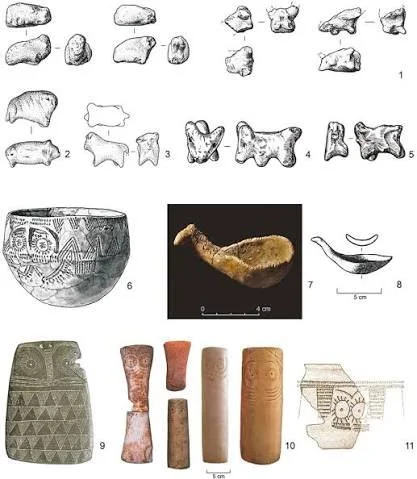
The Life Cycle of a Pottery Sherd: Repairing, Recycling, Reusing
November 8, 2026
Read more →
November 8, 2026
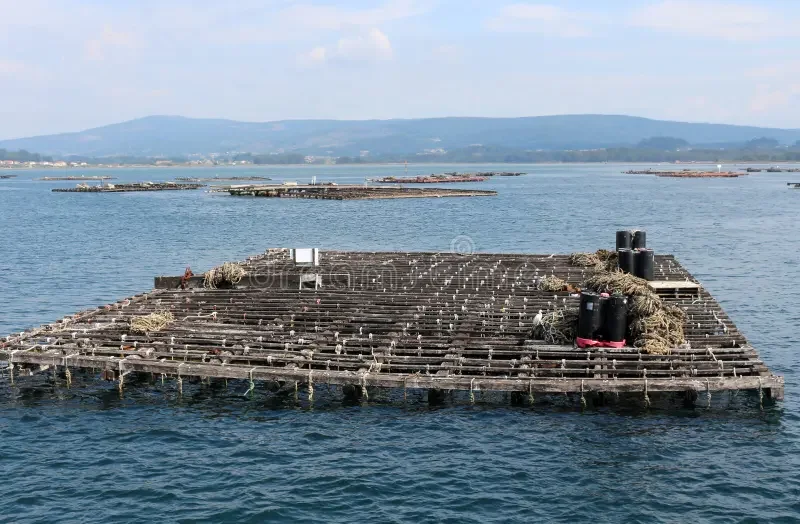
cultivation-mussels-oysters-semi-submerged-platform-batea-marine-cultivation-o-grove-galicia-spain-cultivation-mussels-158592606.webp
November 8, 2026
Submerged Platforms for Shellfish Cultivation in Estuaries
November 8, 2026
Read more →
November 8, 2026
images - 2026-11-08T152317.218.jpeg
November 8, 2026
The Archaeology of Hedge‑row Folklore: Material Correlates of Rituals
November 8, 2026
Read more →
November 8, 2026
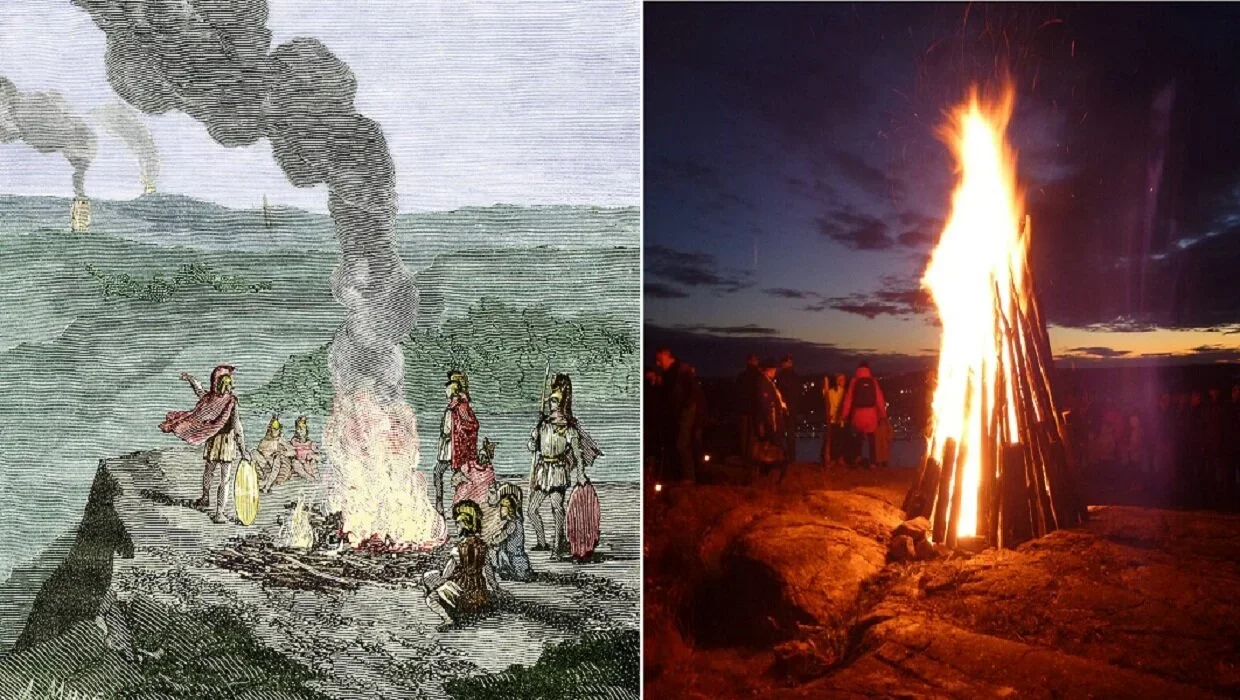
Fryktoria+a+fire+communication+system+of+ancient+Greece.webp
November 8, 2026
Ancient Beacon Fires: Detecting Signal Networks via Charcoal Trails
November 8, 2026
Read more →
November 8, 2026
images - 2026-11-08T151855.502.jpeg
November 8, 2026
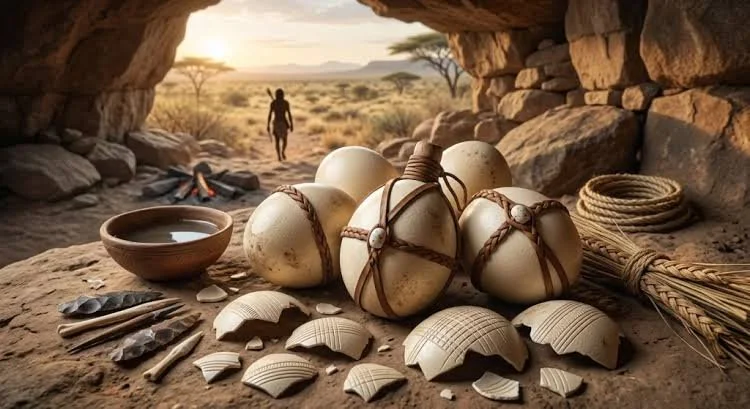
The Use of Ostrich Egg Sacs in Prehistoric Container Technologies
November 8, 2026
Read more →
November 8, 2026
read more

Powered by The archaeologist