Mythical Origins of the Text
– The Book of Thoth is a legendary manuscript attributed to Thoth, the Egyptian god of knowledge, writing, and magic.
– According to myth, the text contained the secrets of the universe, including spells to speak with animals, command the heavens, and interpret divine will.
– Egyptians believed the text was hidden in a series of magical boxes protected by serpents, traps, and curses.
Forbidden Knowledge
– The book was said to grant unparalleled power, including mastery over the gods and dominion over life and death.
– Only the worthiest priests or magicians were believed capable of wielding its contents without being destroyed.
– Stories warn that misuse of the book brings calamity, madness, misfortune, or death to those who seek it.
Scholarly Interpretation
– Some historians suggest the Book of Thoth symbolizes sacred temple knowledge, such as astrology, ritual magic, and esoteric writing.
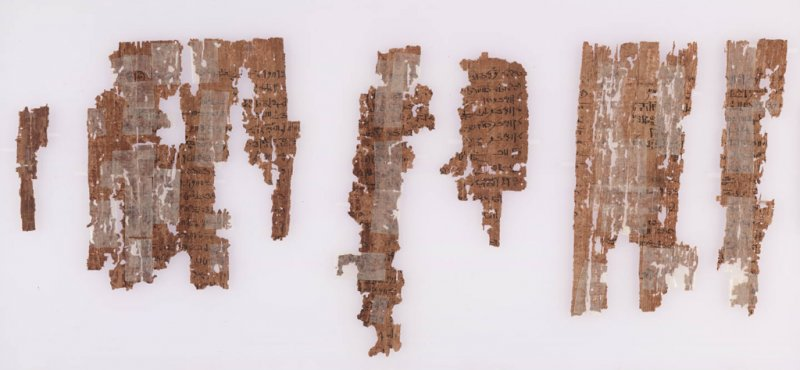
– Fragments discovered in Egypt reflect teachings on divination, spiritual symbolism, and priestly training.
– While the true book may never have existed physically, its influence shaped later Greco-Egyptian magical papyri.
Enduring Mystique
– The Book of Thoth became foundational to alchemical, Hermetic, and occult traditions in the ancient and medieval world.
– It continues to inspire modern interpretations of mystical wisdom and forbidden knowledge.
– The myth reflects humanity’s timeless fascination with the pursuit of ultimate truth.