• MAIN PAGE
  • LATEST NEWS
    • Lost Cities
    • Archaeology's Greatest Finds
    • Underwater Discoveries
    • Greatest Inventions
    • Studies
    • Blog
  • PHILOSOPHY
  • HISTORY
  • RELIGIONS
    • Africa
    • Anatolia
    • Arabian Peninsula
    • Balkan Region
    • China - East Asia
    • Europe
    • Eurasian Steppe
    • Levant
    • Mesopotamia
    • Oceania - SE Asia
    • Pre-Columbian Civilizations of America
    • Iranian Plateau - Central Asia
    • Indus Valley - South Asia
    • Japan
    • The Archaeologist Editor Group
    • Scientific Studies
    • Aegean Prehistory
    • Historical Period
    • Byzantine Middle Ages
    • Predynastic Period
    • Dynastic Period
    • Greco-Roman Egypt
  • Rome
  • PALEONTOLOGY
  • About us
Menu

The Archaeologist

  • MAIN PAGE
  • LATEST NEWS
  • DISCOVERIES
    • Lost Cities
    • Archaeology's Greatest Finds
    • Underwater Discoveries
    • Greatest Inventions
    • Studies
    • Blog
  • PHILOSOPHY
  • HISTORY
  • RELIGIONS
  • World Civilizations
    • Africa
    • Anatolia
    • Arabian Peninsula
    • Balkan Region
    • China - East Asia
    • Europe
    • Eurasian Steppe
    • Levant
    • Mesopotamia
    • Oceania - SE Asia
    • Pre-Columbian Civilizations of America
    • Iranian Plateau - Central Asia
    • Indus Valley - South Asia
    • Japan
    • The Archaeologist Editor Group
    • Scientific Studies
  • GREECE
    • Aegean Prehistory
    • Historical Period
    • Byzantine Middle Ages
  • Egypt
    • Predynastic Period
    • Dynastic Period
    • Greco-Roman Egypt
  • Rome
  • PALEONTOLOGY
  • About us

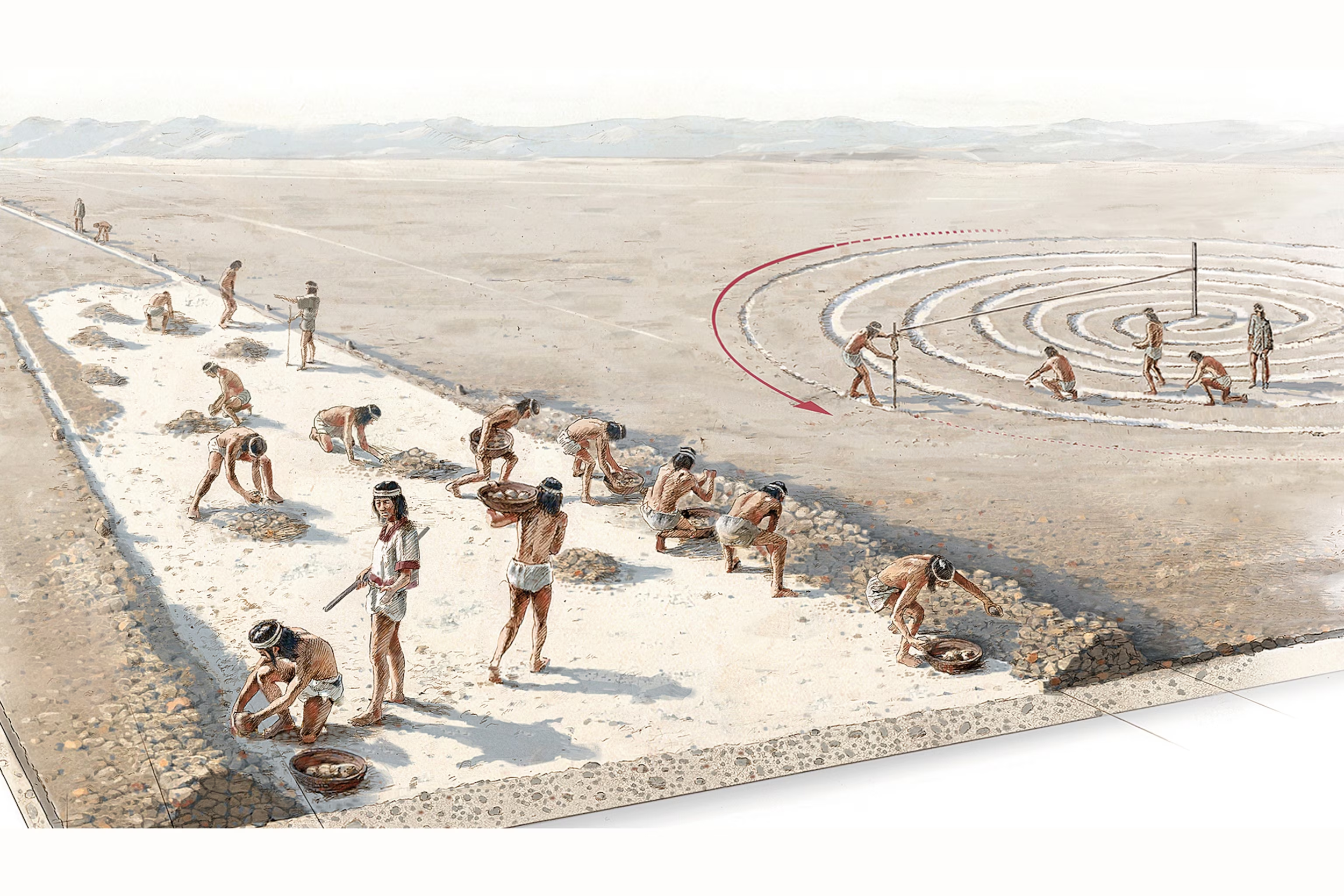
The Nazca Civilization Before the Lines

December 11, 2025

Everyday Life and Society

– The Nazca lived along Peru’s southern coast between 100 BCE and 800 CE, forming agricultural communities supported by sophisticated irrigation.
– Their society included farmers, fishermen, artisans, and priests, each contributing to the civilization’s stability.
– They cultivated cotton, maize, beans, and potatoes using underground aqueducts called puquios.

Religion and Ritual Practices

– Nazca religion revolved around fertility, water deities, and supernatural beings depicted with masks, wings, and animal attributes.
– Rituals included offerings of pottery, textiles, crops, and sometimes trophy heads believed to contain spiritual power.
– Priests performed ceremonies on platform mounds long before the creation of the famous geoglyphs.

Artistic Achievements

– Nazca ceramics are among the most colorful in the ancient world, featuring vibrant red, orange, white, black, and yellow pigments.
– Their textiles show advanced weaving techniques and symbolic patterns representing gods, plants, and mythical beings.
– Artists created featherwork decorations using brilliantly colored bird feathers.

Technological and Engineering Skills

– The puquio system demonstrates remarkable hydraulic engineering, transporting water through spiral-shaped  entrances and subterranean channels.
– Their architecture included ceremonial centers, pottery workshops, and residential compounds.
– The achievements of the Nazca people laid the cultural foundation from which the later geoglyphs emerged.
← The Terracotta Army: Guardians of China's First EmperorThe Ancient Egyptian Book of Thoth →
Featured
image_2025-12-12_001750915.png
Dec 11, 2025
The Ancient Astronomers of Chichen Itza
Dec 11, 2025
Read More →
Dec 11, 2025
image_2025-12-12_001705363.png
Dec 11, 2025
The Sacred Trees of Ancient Pagan Cultures
Dec 11, 2025
Read More →
Dec 11, 2025
image_2025-12-12_001605843.png
Dec 11, 2025
The Lost Temples of Angkor Before Angkor Wat
Dec 11, 2025
Read More →
Dec 11, 2025
image_2025-12-11_235943300.png
Dec 11, 2025
The Role of the Turtle in Ancient Mythology
Dec 11, 2025
Read More →
Dec 11, 2025
image_2025-12-11_235452975.png
Dec 11, 2025
The Terracotta Army: Guardians of China's First Emperor
Dec 11, 2025
Read More →
Dec 11, 2025
image_2025-12-11_234715866.png
Dec 11, 2025
The Nazca Civilization Before the Lines
Dec 11, 2025
Read More →
Dec 11, 2025
read more

Powered by The archaeologist