• MAIN PAGE
  • LATEST NEWS
    • Lost Cities
    • Archaeology's Greatest Finds
    • Underwater Discoveries
    • Greatest Inventions
    • Studies
    • Blog
  • PHILOSOPHY
  • HISTORY
  • RELIGIONS
    • Africa
    • Anatolia
    • Arabian Peninsula
    • Balkan Region
    • China - East Asia
    • Europe
    • Eurasian Steppe
    • Levant
    • Mesopotamia
    • Oceania - SE Asia
    • Pre-Columbian Civilizations of America
    • Iranian Plateau - Central Asia
    • Indus Valley - South Asia
    • Japan
    • The Archaeologist Editor Group
    • Scientific Studies
    • Aegean Prehistory
    • Historical Period
    • Byzantine Middle Ages
    • Predynastic Period
    • Dynastic Period
    • Greco-Roman Egypt
  • Rome
  • PALEONTOLOGY
  • About us
Menu

The Archaeologist

  • MAIN PAGE
  • LATEST NEWS
  • DISCOVERIES
    • Lost Cities
    • Archaeology's Greatest Finds
    • Underwater Discoveries
    • Greatest Inventions
    • Studies
    • Blog
  • PHILOSOPHY
  • HISTORY
  • RELIGIONS
  • World Civilizations
    • Africa
    • Anatolia
    • Arabian Peninsula
    • Balkan Region
    • China - East Asia
    • Europe
    • Eurasian Steppe
    • Levant
    • Mesopotamia
    • Oceania - SE Asia
    • Pre-Columbian Civilizations of America
    • Iranian Plateau - Central Asia
    • Indus Valley - South Asia
    • Japan
    • The Archaeologist Editor Group
    • Scientific Studies
  • GREECE
    • Aegean Prehistory
    • Historical Period
    • Byzantine Middle Ages
  • Egypt
    • Predynastic Period
    • Dynastic Period
    • Greco-Roman Egypt
  • Rome
  • PALEONTOLOGY
  • About us

The Ancient Oracle of Siwa

December 27, 2025

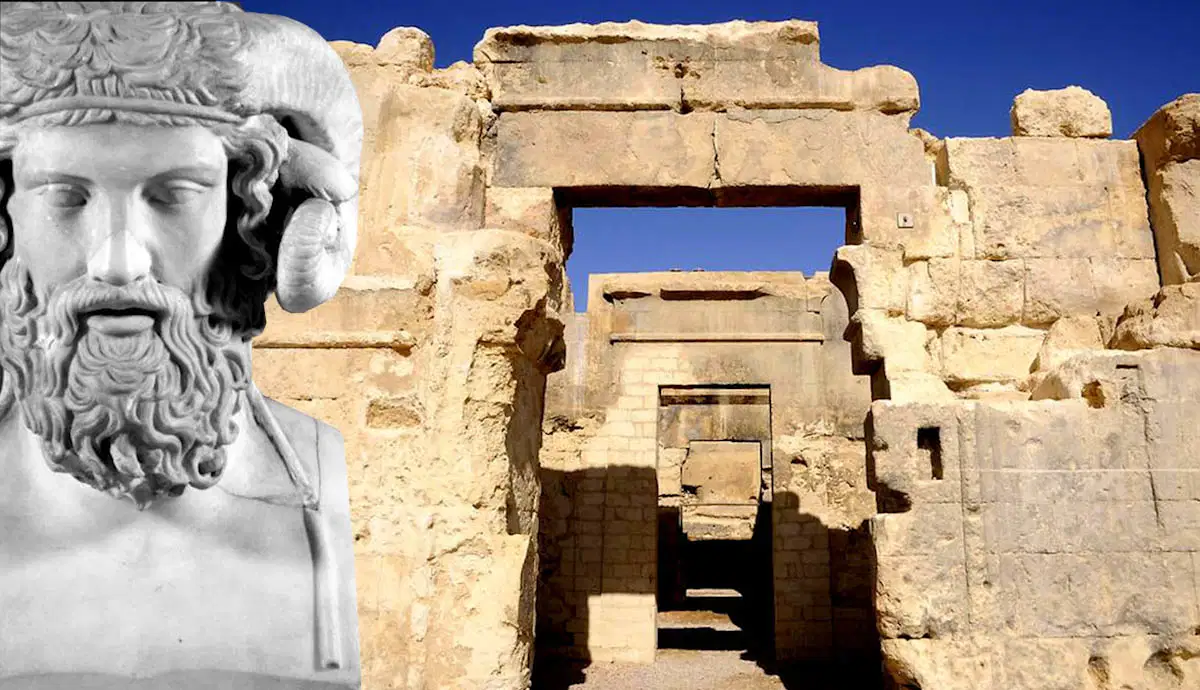
The Oracle of Siwa, located in the Western Desert of Egypt, was one of the most famous oracles in the ancient world. Dedicated to the god Amun, it attracted visitors seeking divine guidance on political and personal matters.

Egyptians believed Amun spoke through the oracle, reinforcing royal authority and religious legitimacy. Greek travelers later identified Amun with Zeus, blending religious traditions and expanding the oracle’s influence.

Alexander the Great famously visited the Oracle of Siwa, where he was reportedly declared the son of Zeus -Amun. This declaration strengthened his claim to rule Egypt and unified Greek and Egyptian beliefs.

The oracle exemplifies religious syncretism and the political power of spiritual authority in the ancient world. Its influence extended across cultures and centuries.
← The Hellenistic Libraries of the Ancient WorldThe Megalithic Temples of Malta →
Featured
image_2025-12-27_175559310.png
Dec 27, 2025
The Hellenistic Libraries of the Ancient World
Dec 27, 2025
Read More →
Dec 27, 2025
image_2025-12-27_175034115.png
Dec 27, 2025
The Ancient Oracle of Siwa
Dec 27, 2025
Read More →
Dec 27, 2025
image_2025-12-27_174206291.png
Dec 27, 2025
The Megalithic Temples of Malta
Dec 27, 2025
Read More →
Dec 27, 2025
image_2025-12-27_174101989.png
Dec 27, 2025
The Bronze Mirrors of Ancient China
Dec 27, 2025
Read More →
Dec 27, 2025
image_2025-12-27_173423723.png
Dec 27, 2025
The Oldest Known Surgery Techniques
Dec 27, 2025
Read More →
Dec 27, 2025
image_2025-12-27_172050689.png
Dec 27, 2025
The Role of the Jaguar in Mesoamerican Religion
Dec 27, 2025
Read More →
Dec 27, 2025
read more

Powered by The archaeologist