• MAIN PAGE
  • LATEST NEWS
    • Lost Cities
    • Archaeology's Greatest Finds
    • Underwater Discoveries
    • Greatest Inventions
    • Studies
    • Blog
  • PHILOSOPHY
  • HISTORY
  • RELIGIONS
    • Africa
    • Anatolia
    • Arabian Peninsula
    • Balkan Region
    • China - East Asia
    • Europe
    • Eurasian Steppe
    • Levant
    • Mesopotamia
    • Oceania - SE Asia
    • Pre-Columbian Civilizations of America
    • Iranian Plateau - Central Asia
    • Indus Valley - South Asia
    • Japan
    • The Archaeologist Editor Group
    • Scientific Studies
    • Aegean Prehistory
    • Historical Period
    • Byzantine Middle Ages
    • Predynastic Period
    • Dynastic Period
    • Greco-Roman Egypt
  • Rome
  • PALEONTOLOGY
  • About us
Menu

The Archaeologist

  • MAIN PAGE
  • LATEST NEWS
  • DISCOVERIES
    • Lost Cities
    • Archaeology's Greatest Finds
    • Underwater Discoveries
    • Greatest Inventions
    • Studies
    • Blog
  • PHILOSOPHY
  • HISTORY
  • RELIGIONS
  • World Civilizations
    • Africa
    • Anatolia
    • Arabian Peninsula
    • Balkan Region
    • China - East Asia
    • Europe
    • Eurasian Steppe
    • Levant
    • Mesopotamia
    • Oceania - SE Asia
    • Pre-Columbian Civilizations of America
    • Iranian Plateau - Central Asia
    • Indus Valley - South Asia
    • Japan
    • The Archaeologist Editor Group
    • Scientific Studies
  • GREECE
    • Aegean Prehistory
    • Historical Period
    • Byzantine Middle Ages
  • Egypt
    • Predynastic Period
    • Dynastic Period
    • Greco-Roman Egypt
  • Rome
  • PALEONTOLOGY
  • About us

The Megalithic Temples of Malta

December 27, 2025

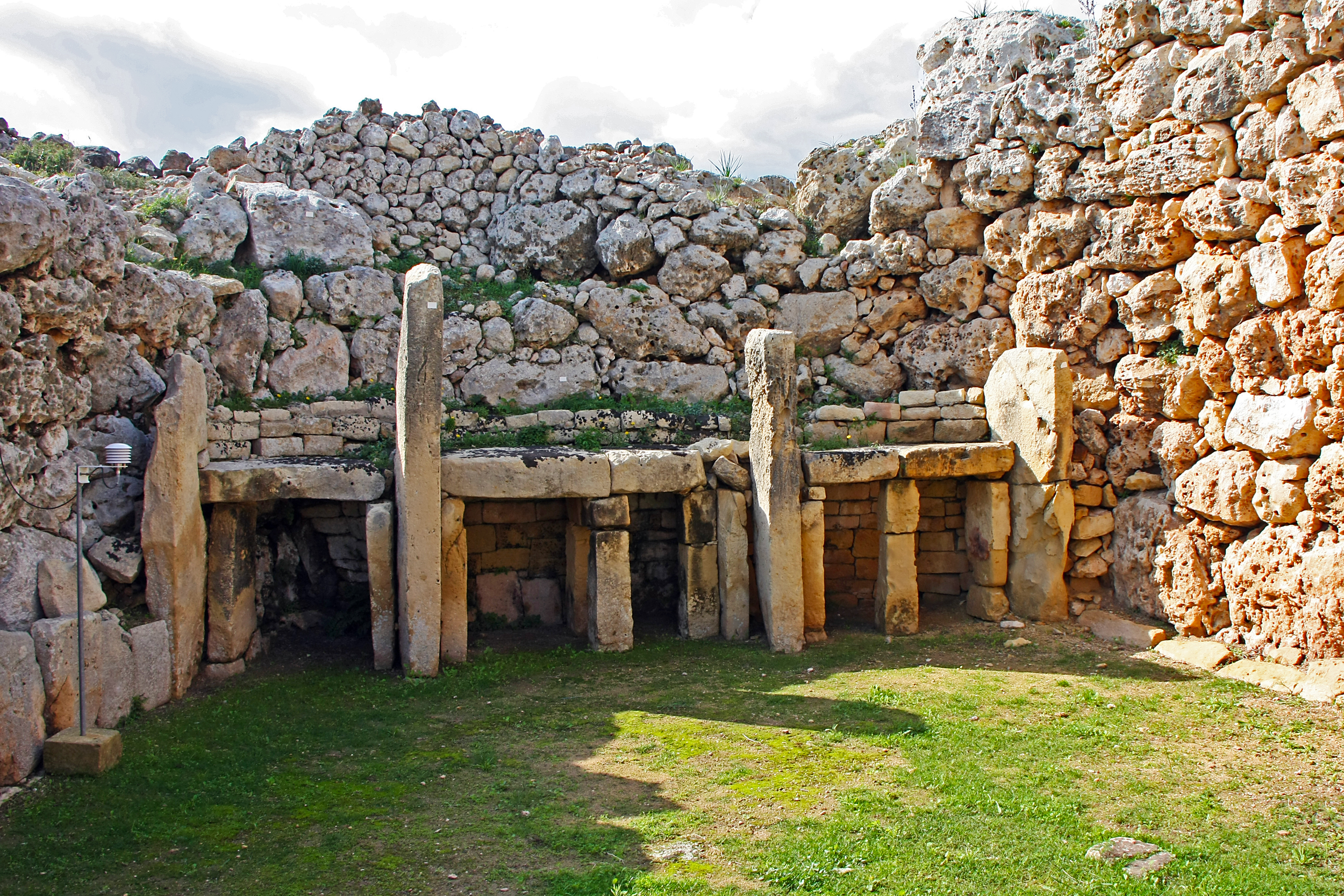
The megalithic temples of Malta, built between 3600 and 2500 BCE, are among the oldest free-standing stone structures in the world. These massive temples predate Stonehenge and the Egyptian pyramids, demonstrating advanced architectural knowledge in prehistoric Europe.

Constructed from large limestone blocks, the temples feature curved walls, central chambers, and aligned entrances. Archaeological evidence suggests they were used for ritual and religious purposes, possibly related to fertility and seasonal cycles.

Artifacts found within the temples, including figurines and altars, support the idea that they were sacred spaces. The precise stonework indicates careful planning and communal labor, reflecting a complex and organized society.

The temples of Malta provide valuable insight into early religious architecture and prehistoric belief systems. Their preservation highlights the sophistication of ancient builders long before written history.


← The Ancient Oracle of SiwaThe Bronze Mirrors of Ancient China →
Featured
image_2026-02-15_210430819.png
Feb 15, 2026
The Most INCREDIBLE Archaeological Discoveries of December 2025
Feb 15, 2026
Read More →
Feb 15, 2026
image_2026-02-15_210354426.png
Feb 15, 2026
First-Ever Study of the Kelp Highway Reveals Groundbreaking Evidence
Feb 15, 2026
Read More →
Feb 15, 2026
image_2026-02-15_205930764.png
Feb 15, 2026
Jordan’s Ancient Megastructures No Civilization Could Have Built
Feb 15, 2026
Read More →
Feb 15, 2026
image_2026-02-15_205739082.png
Feb 15, 2026
What They Never Tell You About the Picts
Feb 15, 2026
Read More →
Feb 15, 2026
image_2026-02-15_205533483.png
Feb 15, 2026
The Largest Animals You've Never Heard Of
Feb 15, 2026
Read More →
Feb 15, 2026
image_2026-02-15_205322551.png
Feb 15, 2026
New Findings Expose Göbekli Tepe's BIGGEST Secret — A HIDDEN Method That's Impossible
Feb 15, 2026
Read More →
Feb 15, 2026
read more

Powered by The archaeologist