Stories as the First Form of Knowledge
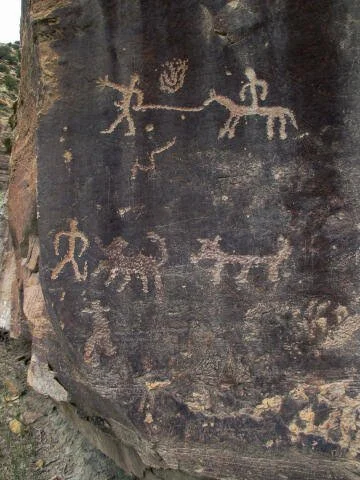
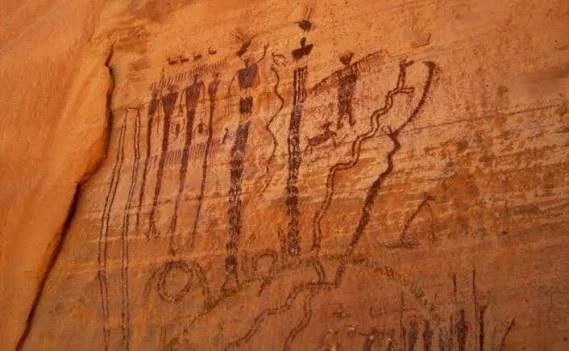
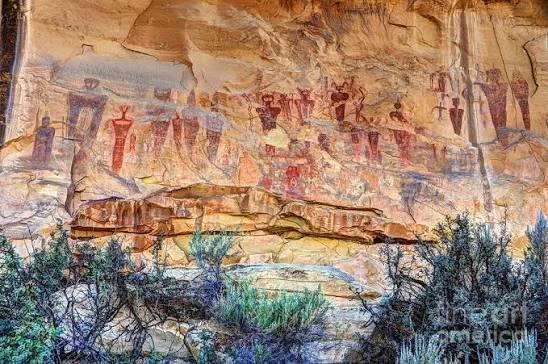
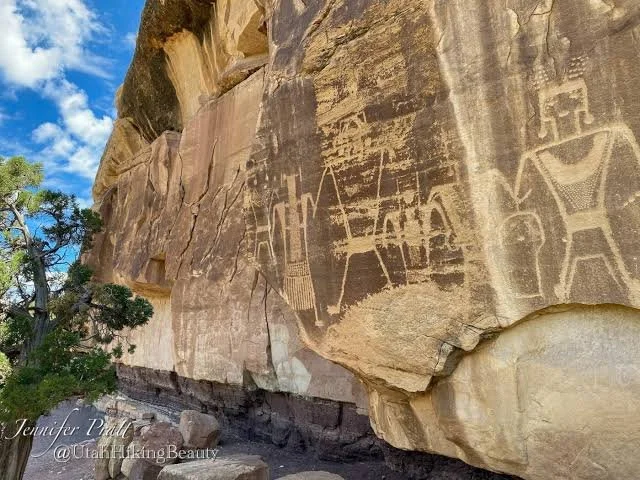
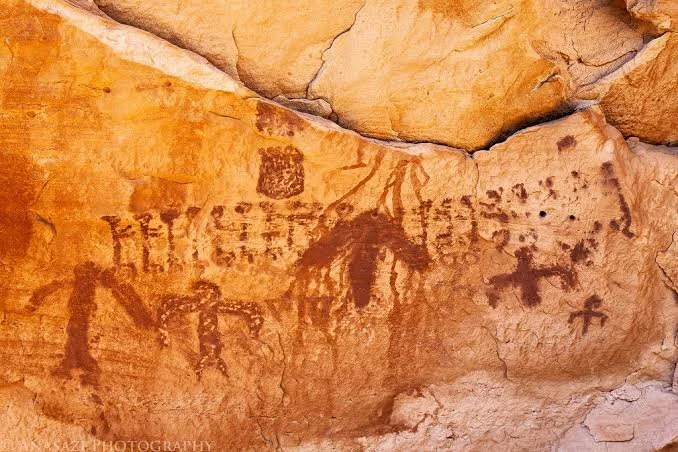
Before writing existed, storytelling was the primary way humans shared knowledge. Through stories, early people explained the world, passed down traditions, and preserved history.
Storytelling was more than entertainment—it was essential for survival and cultural identity.
Oral Traditions
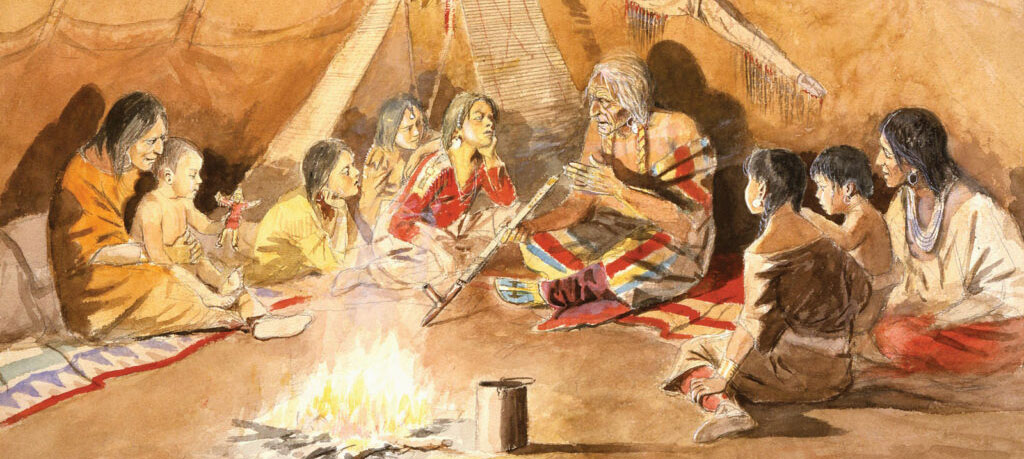
Ancient stories were passed down orally from one generation to the next. Skilled storytellers memorized long narratives, ensuring that important information was preserved.
These stories included myths, legends, and practical knowledge about the environment, animals, and human behavior.
Myths and Meaning
Myths played a central role in storytelling. They explained natural phenomena, such as the changing seasons or the movement of the stars. They also explored themes like creation, life, and death.
Through myths, people made sense of the unknown and connected their experiences to larger ideas.
Storytelling and Community
Storytelling was often a communal activity. People gathered to listen, share, and participate. This created a sense of belonging and strengthened social bonds.
Stories also taught values, guiding behavior and reinforcing cultural norms.
From Oral to Written Stories
As writing developed, many stories were recorded, preserving them for future generations. This transition allowed stories to reach wider audiences and remain consistent over time.
However, oral storytelling continued to thrive, adapting to new contexts and audiences.
The Power of Narrative
Stories shape how people think, learn, and communicate. They make complex ideas easier to understand and remember.
The use of narrative is still central to education, entertainment, and communication today.
An Enduring Tradition
The ancient origins of storytelling remind us that humans are natural storytellers. From myths to modern media, the need to share experiences and ideas continues to define human culture.