Creating Order in Early Societies
As human societies grew larger and more complex, the need for rules became essential. Without structure, communities could not function effectively. This led to the creation of the first laws—systems designed to maintain order, resolve disputes, and define acceptable behavior.
These early legal codes were among the most important developments in human history, shaping how societies were governed and how justice was understood.
From Tradition to Written Law
In early communities, rules were often passed down orally. Elders or leaders enforced traditions, ensuring that customs were followed. However, as societies expanded, these unwritten rules became difficult to manage.
The solution was to record laws in written form. This made them more consistent and accessible, reducing confusion and allowing for more organized governance.
Early Legal Codes
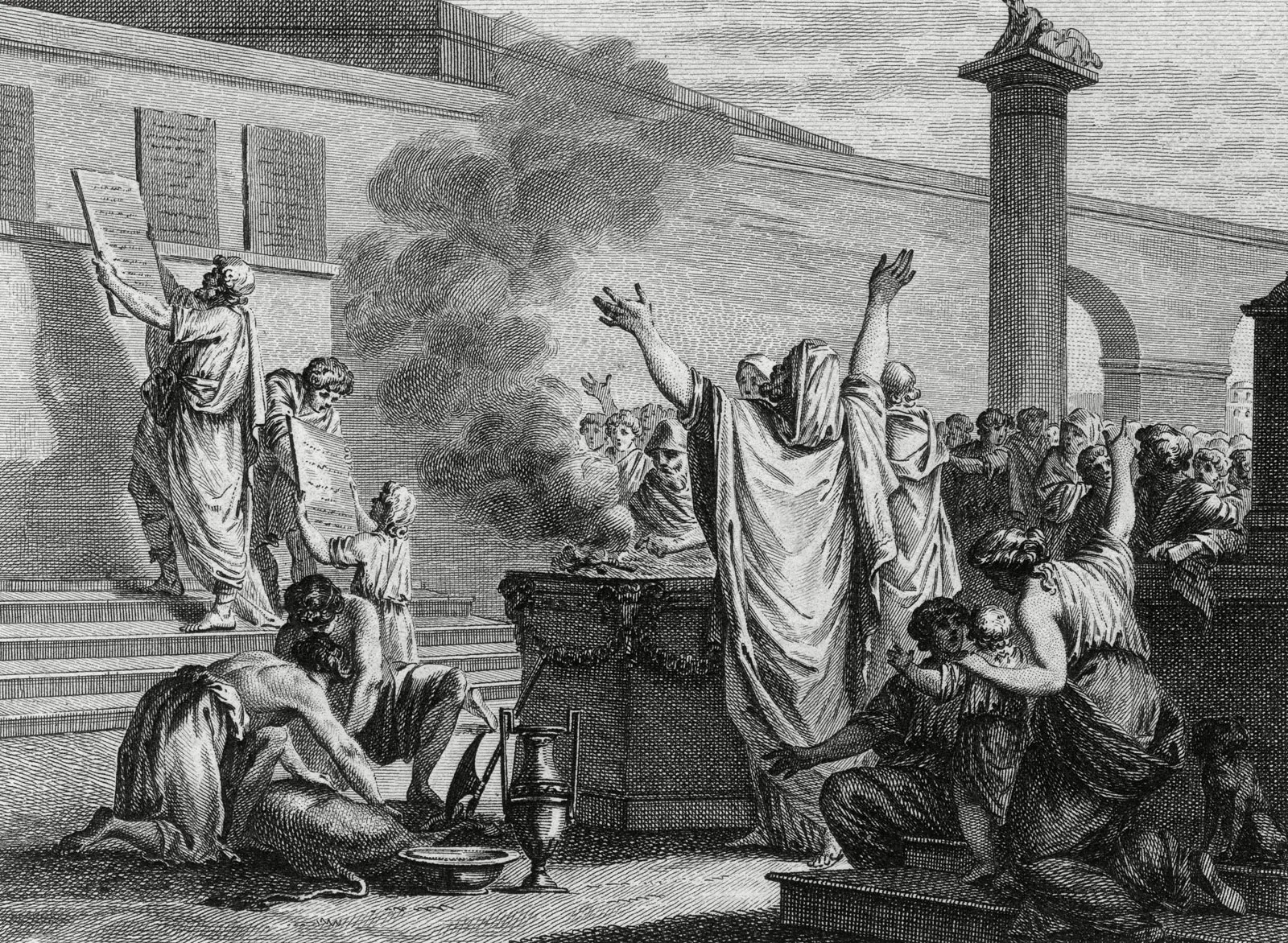
Some of the earliest known legal codes were carved into stone or written on tablets. These codes outlined rules for various aspects of life, including trade, property, family relationships, and criminal behavior.
Punishments were often strict, reflecting the need to maintain order in growing populations. Laws also established responsibilities, ensuring that individuals understood their roles within society.
Justice and Authority
Early laws were closely tied to authority. Rulers or governing bodies enforced these rules, often claiming that their laws were guided by divine or moral principles.
Justice systems began to develop, with procedures for resolving disputes and determining guilt or innocence. While these systems were not always fair by modern standards, they represented an important step toward organized governance.
Social Impact of Law
Legal systems helped stabilize societies. By defining acceptable behavior, they reduced conflict and provided a framework for cooperation.
Laws also reinforced social structures. They defined roles, protected property, and regulated interactions between individuals and groups.
Evolution of Legal Thought
Over time, legal systems became more complex. New laws were added, and existing ones were refined. Concepts such as fairness, responsibility, and rights began to emerge.
These developments laid the foundation for modern legal systems, which continue to evolve today.
A Lasting Legacy
The first laws were more than rules—they were tools for building civilization. They allowed societies to grow, organize, and function effectively.
Even today, modern legal systems reflect principles established thousands of years ago, showing the enduring importance of law in human life.