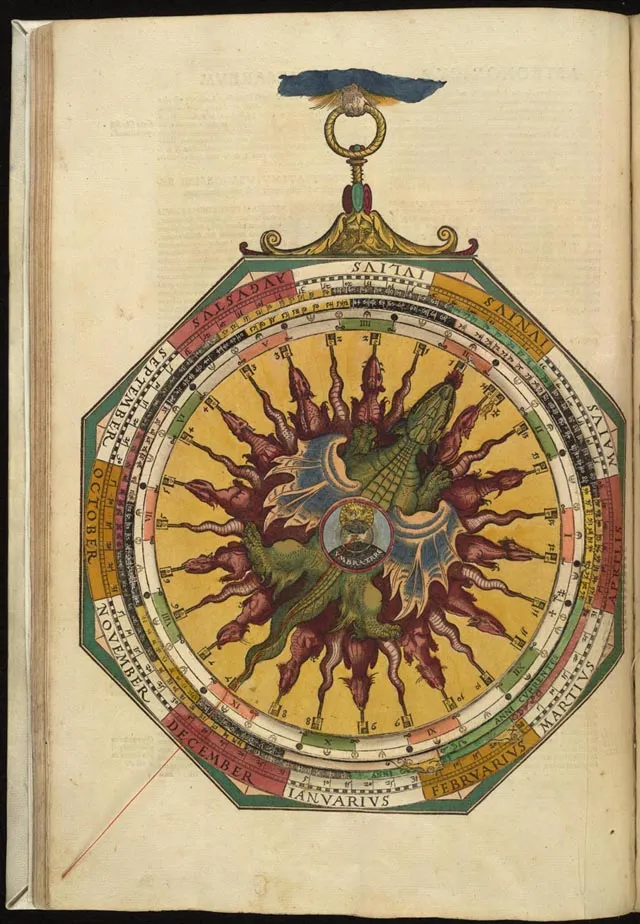
Long before telescopes and printed star atlases, ancient people looked up at the night sky and began to map it. They did not use paper or ink. Instead, they carved the heavens into stone. These early star charts—etched into rock surfaces, monuments, and temple ceilings—reveal a deep and organized understanding of astronomy.
They also show something more profound: humanity’s desire to connect earth and sky.
Why Map the Stars?
For ancient societies, the sky was not just decoration. It was a calendar, compass, and sacred text. The movement of stars marked the changing seasons, guided agriculture, and signaled important rituals. Mapping the heavens meant understanding time itself.
Stone, as a durable material, ensured that this celestial knowledge would endure across generations.
Carved Skies in Ancient Civilizations
In ancient Egypt, astronomical ceilings painted and carved into tombs depicted constellations, star deities, and celestial cycles. The temple complex of Dendera Temple complex contains a famous zodiac relief that shows constellations arranged in a circular pattern. While dating from the Greco-Roman period, it reflects much older traditions of sky observation.
In Mesopotamia, systematic records of planetary motion were kept in cities such as Babylon. Though many of these records were written on clay tablets, some astronomical diagrams were also carved into durable surfaces, preserving symbolic representations of stars and constellations.
In Central Europe, the Nebra Sky Disc—though made of bronze rather than stone—illustrates how prehistoric societies visually represented the sun, moon, and star clusters. Its existence supports the idea that mapping the sky visually was already well established in the Bronze Age.
Stone Alignments as Living Maps
Not all celestial maps were literal drawings. Some were architectural. Monumental sites such as Stonehenge are aligned with solstices, effectively functioning as three-dimensional calendars. The placement of stones marks the rising and setting of the sun at specific times of year.
These structures demonstrate that mapping the sky was not only artistic—it was mathematical and observational.
Reading the Sky Through Pattern
Ancient star charts often grouped stars into recognizable patterns linked to mythology. These constellations made the sky easier to remember and interpret. By carving these patterns into stone, societies encoded cosmological stories alongside practical knowledge.
Mapping the heavens was an act of preservation. It ensured that celestial wisdom would survive even if oral traditions faded.
A Sky Set in Stone
Today, these stone maps remind us that astronomy is one of humanity’s oldest sciences. Long before satellites and digital star apps, people studied the sky with patience and precision.
Their carvings prove that the night sky has always been more than a backdrop—it has been a guide, a teacher, and a source of wonder.