Portable light sources played an important role in the daily lives of ancient communities. Before electric lighting, people relied on fire, burning materials, oil lamps, candles, and other devices to illuminate homes, workshops, pathways, and ceremonial spaces. Small lamps were particularly useful because they could be carried between rooms or taken to places where fixed lighting was unavailable. Archaeological evidence for portable lighting can reveal how people organized domestic activities after dark, managed fuel supplies, and incorporated illumination into religious or ceremonial practices. However, identifying the exact purpose of a lamp requires more than recognizing its shape or discovering it near a shrine.
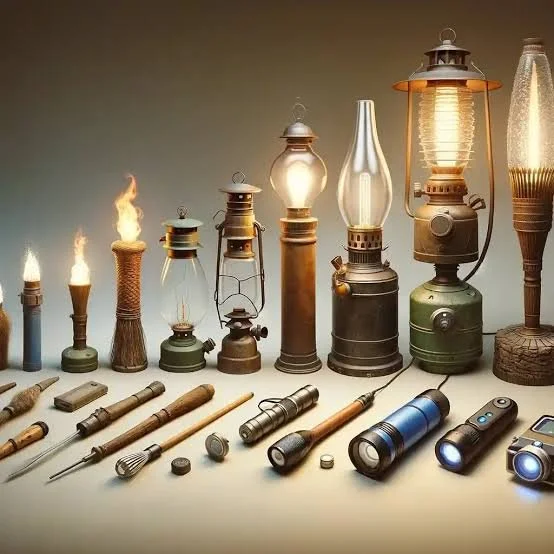
Ancient portable lighting devices took many forms. Simple lamps could consist of shallow containers holding fuel, with a wick extending over the edge. Other designs incorporated spouts, handles, enclosed reservoirs, or specialized features intended to control the movement of oil and flame. The materials varied according to regional traditions and available resources, including clay, stone, metal, and occasionally other substances. Some lamps were carefully decorated, while others were relatively plain. Differences in appearance may reflect practical requirements, manufacturing traditions, economic circumstances, or symbolic preferences, but they do not automatically indicate differences in religious importance.
The fuel used in a lamp affected its brightness, burning duration, smoke production, and maintenance requirements. Depending on the region and period, people could use animal fats, plant oils, or other combustible materials. Archaeologists may investigate fuel residues through chemical analysis, although preservation and contamination can make identification difficult. The presence of a wick, charred fibers, soot, or burned residues can provide evidence of use, but these traces may be absent from lamps that were cleaned, reused, or buried under conditions unfavorable to preservation. Experimental archaeology can help researchers understand how different fuels and lamp designs perform under controlled conditions.
Portable lamps differ from fixed hearths and built-in lighting installations because they allow illumination to move with the user. A small lamp could be carried into a storeroom, workshop, courtyard, or sleeping area, making it useful for tasks that required light away from a central fire. In archaeological settlements, the distribution of lamps may help researchers investigate how illumination was organized within buildings. Several lamps found in different rooms might indicate repeated use of multiple spaces, but the pattern could also reflect storage, disposal, or the accidental loss of objects. Spatial evidence must therefore be evaluated alongside wear, residue, and architectural context.
The relationship between lamps and shrines is especially significant. In some religious settings, lamps were used to illuminate sacred images, altars, offerings, or other ritual features. Repeated lamp deposits in a particular location may suggest that illumination formed part of recurring ceremonial activity. Researchers may also examine soot deposits, lamp stands, offering vessels, inscriptions, and architectural arrangements to understand how light was incorporated into religious practice. Nevertheless, a lamp found near a shrine could have been used by visitors for ordinary visibility rather than as a dedicated offering. The interpretation depends on the wider assemblage and the history of the space.
Light can also influence the way people experience a building or landscape. A small flame creates a limited field of illumination, leaving surrounding spaces in darkness and emphasizing objects close to the light source. In a shrine, this effect might have shaped the visibility of images or offerings. In a domestic setting, it could have focused attention on particular tasks or gathering places. Archaeologists can explore these possibilities through lighting experiments using replica lamps, reconstructed rooms, and estimates of ancient fuel performance. Such experiments cannot reproduce every historical experience, but they can demonstrate how lamp placement and room design affected visibility.
Portable lamps also provide clues about trade and manufacturing. A lamp made from a particular clay or metal may have originated in a different region from the site where it was found. Petrographic analysis, chemical characterization, and comparison with known production centers can help researchers investigate the movement of lamps and the circulation of design traditions. Some forms were produced locally, while others may have been imported or copied from foreign examples. However, a familiar style does not necessarily indicate that the object itself traveled a long distance, since local craftspeople could reproduce designs using available materials.
The maintenance of portable lighting required access to fuel and suitable replacement materials. Lamps needed to be refilled, wicks trimmed or replaced, and soot removed when it interfered with their operation. Evidence of repeated use may appear as deposits around the spout, heat alteration, surface wear, or repairs. These traces can help distinguish objects that were used regularly from those that were made primarily for display or deposition. Yet heavily used lamps could also be placed in graves or shrines after their practical life had ended, meaning that use and ritual significance were not necessarily separate categories.
The archaeological distribution of lamps may reveal broader patterns of activity after dark. Workshops with lamps and craft waste could suggest that certain tasks continued into evening hours, while concentrations in domestic areas may relate to cooking, social gatherings, or other household activities. Lamps recovered from streets, gates, or pathways may indicate the use of portable lighting outside buildings, although their original locations are not always certain. Archaeologists must also consider whether lamps were collected or stored in particular places rather than used exactly where they were discovered.
The study of portable light sources demonstrates how a small object can illuminate important aspects of ancient life. Lamps were practical tools, but they could also become associated with hospitality, devotion, ceremony, or the organization of shared spaces. By combining residue analysis, manufacturing studies, spatial mapping, and experimental reconstruction, archaeologists can investigate how these objects were fueled, moved, used, and deposited. Their evidence helps reconstruct not only the technical challenges of producing light before electricity but also the ways illumination shaped domestic routines and sacred environments.