Analyzing the Sudden Fall of Civilizations
Introduction to the Collapse
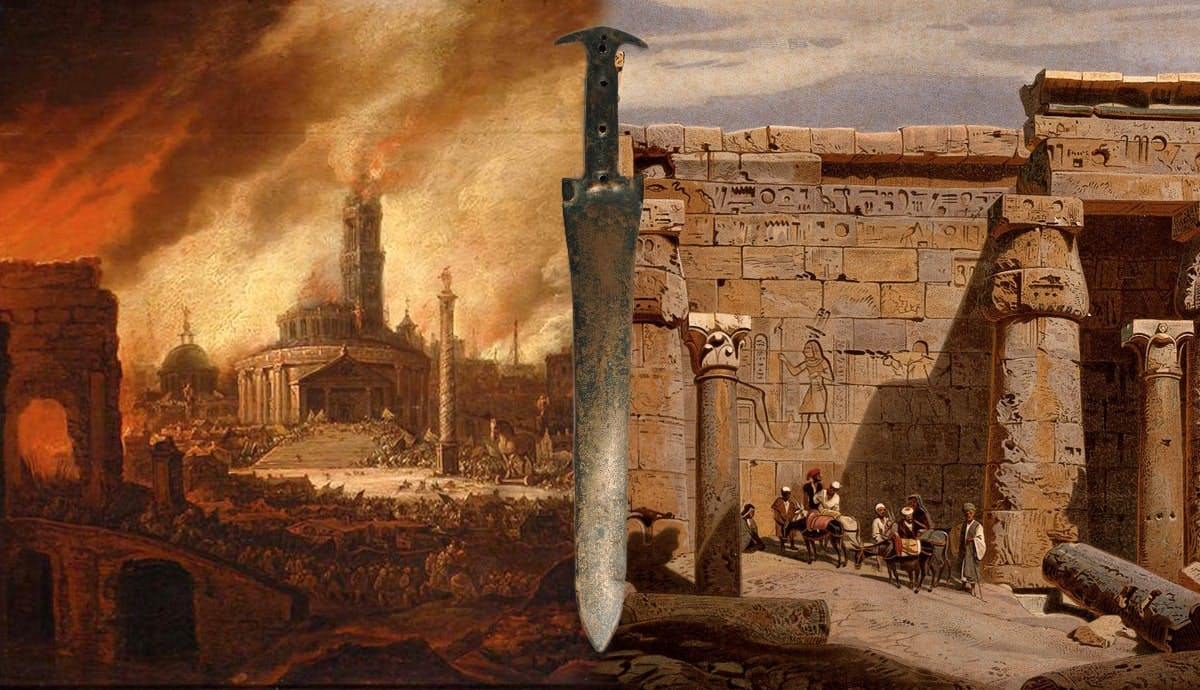
The Late Bronze Age (around 1200 BCE) witnessed the abrupt decline of several major civilizations, including the Hittites, Mycenaeans, and parts of Egypt. This period of turmoil reshaped the ancient Mediterranean and Near Eastern world, leading to economic decline, migration, and the loss of literacy in some regions.
Factors Behind the Collapse
Several interconnected factors contributed to the collapse: natural disasters such as earthquakes and droughts, invasions by groups like the Sea Peoples, internal rebellions, and trade disruptions. The failure of political and economic systems compounded these crises, causing once-powerful empires to disintegrate.
Impact on Societies
The collapse led to population decline, abandoned cities, and the disappearance of monumental architecture. Trade networks that connected regions from Egypt to Anatolia fractured, isolating communities and creating cultural fragmentation.
Archaeological Evidence
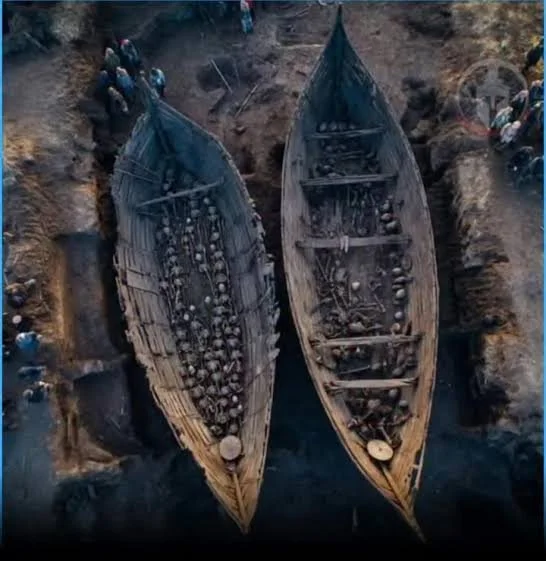
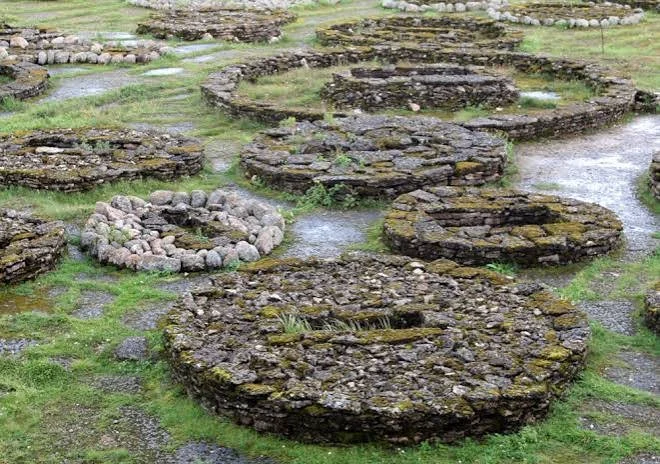
Excavations reveal burned cities, destroyed palaces, and abrupt cultural changes. Written records, including Hittite and Egyptian texts, hint at widespread chaos and conflict, illustrating how interconnected systems can fail simultaneously.
Legacy of the Bronze Age Collapse
Despite the devastation, the collapse paved the way for new political entities and cultural developments. The rise of smaller kingdoms, Iron Age technology, and eventual civilizations like classical Greece and Neo-Assyrian empires demonstrate human resilience in the face of systemic collapse.