• MAIN PAGE
  • LATEST NEWS
    • Lost Cities
    • Archaeology's Greatest Finds
    • Underwater Discoveries
    • Greatest Inventions
    • Studies
    • Blog
  • PHILOSOPHY
  • HISTORY
  • RELIGIONS
    • Africa
    • Anatolia
    • Arabian Peninsula
    • Balkan Region
    • China - East Asia
    • Europe
    • Eurasian Steppe
    • Levant
    • Mesopotamia
    • Oceania - SE Asia
    • Pre-Columbian Civilizations of America
    • Iranian Plateau - Central Asia
    • Indus Valley - South Asia
    • Japan
    • The Archaeologist Editor Group
    • Scientific Studies
    • Aegean Prehistory
    • Historical Period
    • Byzantine Middle Ages
    • Predynastic Period
    • Dynastic Period
    • Greco-Roman Egypt
  • Rome
  • PALEONTOLOGY
  • About us
Menu

The Archaeologist

  • MAIN PAGE
  • LATEST NEWS
  • DISCOVERIES
    • Lost Cities
    • Archaeology's Greatest Finds
    • Underwater Discoveries
    • Greatest Inventions
    • Studies
    • Blog
  • PHILOSOPHY
  • HISTORY
  • RELIGIONS
  • World Civilizations
    • Africa
    • Anatolia
    • Arabian Peninsula
    • Balkan Region
    • China - East Asia
    • Europe
    • Eurasian Steppe
    • Levant
    • Mesopotamia
    • Oceania - SE Asia
    • Pre-Columbian Civilizations of America
    • Iranian Plateau - Central Asia
    • Indus Valley - South Asia
    • Japan
    • The Archaeologist Editor Group
    • Scientific Studies
  • GREECE
    • Aegean Prehistory
    • Historical Period
    • Byzantine Middle Ages
  • Egypt
    • Predynastic Period
    • Dynastic Period
    • Greco-Roman Egypt
  • Rome
  • PALEONTOLOGY
  • About us

The Sacred Bull in Ancient Cultures

December 19, 2025

Symbolism of the Bull in Minoan, Mesopotamian, and Indus Valley Religions

Introduction to Bull Worship
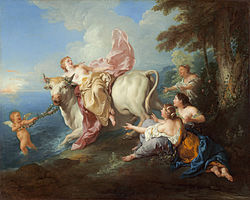
The bull was a universal symbol of strength, fertility, and divine power across ancient civilizations. From Crete to Mesopotamia and the Indus Valley, bulls represented vitality, agricultural prosperity, and spiritual authority.

Minoan Crete
In Minoan culture, the bull was central to religious ceremonies, including bull-leaping rituals depicted in frescoes. The Minotaur myth reflects the symbolic fusion of human and animal power, emphasizing dominance, fertility, and ritual sacrifice.

Mesopotamian Significance
In Mesopotamia, bulls appeared in art and mythology as guardians of temples and symbols of kingship. Deities like the Bull of Heaven in the Epic of Gilgamesh highlight the sacred and sometimes dangerous nature of these animals in religious narratives.

Indus Valley Associations
Seals from the Indus Valley depict bulls alongside fertility and agricultural symbols, suggesting their centrality in economic and spiritual life. Bulls may have symbolized strength, wealth, and divine protection for communities dependent on farming.

Cross-Cultural Legacy
The bull’s symbolic importance persisted, influencing later Mediterranean and Near Eastern art, mythology, and rituals. Across cultures, it remained a powerful emblem of both life-giving energy and divine authority.


← The Lost Library of AshurbanipalThe Bronze Age Collapse: The End of Empires →
Featured
image_2025-12-20_005333454.png
Dec 19, 2025
The Sacred Bull in Ancient Cultures
Dec 19, 2025
Read More →
Dec 19, 2025
image_2025-12-20_003537323.png
Dec 19, 2025
The Mystery of the Etruscans
Dec 19, 2025
Read More →
Dec 19, 2025
image_2025-12-20_002741288.png
Dec 19, 2025
The God-Kings of Ancient Egypt
Dec 19, 2025
Read More →
Dec 19, 2025
image_2025-12-20_002024096.png
Dec 19, 2025
The Ancient Olympic Games
Dec 19, 2025
Read More →
Dec 19, 2025
image_2025-12-20_001517638.png
Dec 19, 2025
The Legend of the Minotaur and the Labyrinth
Dec 19, 2025
Read More →
Dec 19, 2025
image_2025-12-20_000859029.png
Dec 19, 2025
The Step Pyramids of Saqqara
Dec 19, 2025
Read More →
Dec 19, 2025
read more

Powered by The archaeologist