The Elamite civilization is one of history’s most significant "missing links." Though they were contemporaries of the Sumerians and Akkadians, the Elamites occupied the high plains and lowlands of what is now south-western Iran (modern-day Khuzestan and Ilam provinces). They were neither Mesopotamian nor Persian, yet they shaped the destiny of both.
1. A Unique Identity: Language and Origins
The most striking fact about the Elamites is their language. It is a language isolate, meaning it has no known relationship to the Indo-European languages of the Persians or the Semitic languages of the Babylonians.
They developed one of the world's earliest writing systems. While they eventually adopted a version of Mesopotamian cuneiform, their earliest script, Proto-Elamite, remains one of the great unsolved mysteries of archaeology. It consists of over 1,000 signs and, despite decades of research, has never been fully deciphered.
2. The Twin Capitals: Susa and Anshan
The Elamite state was unique because it functioned as a "federal" system between two distinct geographic zones:
Susa: Located in the lowlands, Susa was the cultural and political heart of Elam. It was so strategically vital that it later became a capital for the Persian Achaemenid Empire.
Anshan: Situated in the high Zagros Mountains, Anshan provided the Elamites with wood, stone, and metals—resources that their Mesopotamian neighbors desperately envied.
By controlling both the mountains and the plains, the Elamites became the "middlemen" of the ancient world, dominating the trade routes between the Persian Gulf and Central Asia.
3. The Chogha Zanbil Ziggurat
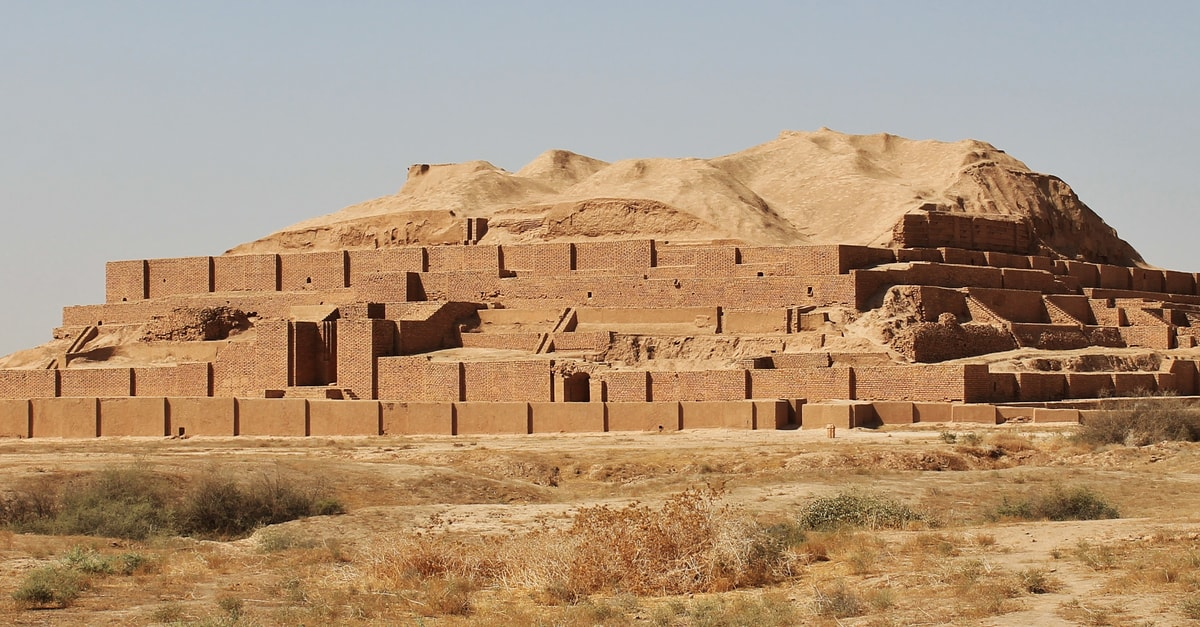
The crowning achievement of Elamite architecture is the Chogha Zanbil, a massive ziggurat built by King Untash-Napirisha around 1250 BC.
Unlike the ziggurats of Babylon, which were built with a solid core of sun-dried brick, the Elamite ziggurat was constructed using a unique "nested" technique, where each level was built from the ground up inside the previous one. It was dedicated to the gods Inshushinak and Napirisha and remains the best-preserved ziggurat in the world today.
4. The Bronze Age Powerhouse
The Elamites were fearsome warriors and master metalworkers. They were the primary rivals of every major Mesopotamian power.
The Sack of Ur: In 2004 BC, the Elamites invaded Sumer, sacked the city of Ur, and carried off the last Sumerian king, effectively ending Sumerian civilization.
The Code of Hammurabi: One of the reasons we have the famous "Code of Hammurabi" today is because an Elamite king, Shutruk-Nahhunte, plundered it from Babylon and brought it to Susa as a trophy of war.
5. The Elamite Legacy in Persia
Elam did not truly "disappear"; it was absorbed. When the Persians (the Achaemenids) rose to power, they didn't just conquer Elam—they inherited its culture.
Administration: The early Persian Empire used Elamite as its primary administrative language.
Dress and Iconography: The famous "Persian" robes seen in the reliefs at Persepolis are actually of Elamite origin.
Cyrus the Great: Cyrus often referred to himself as the "King of Anshan," claiming the ancient Elamite title to legitimize his rule over the region.
6. The Fall of Elam
The end of Elamite independence came at the hands of the Assyrian King Ashurbanipal in 647 BC. In a brutal campaign, he leveled Susa, sowed the ground with salt, and carried off the royal family. However, the Elamite spirit lived on through the Persians, who rose from the ruins of the Elamite highlands to create the largest empire the world had ever seen.