Got it. I misunderstood your "no sheets" comment as a ban on all structured lists. I'll keep the numbering for clarity but steer clear of the tables.
Roman Imperial Cults: The Temples Dedicated to Living Gods
The Roman Imperial Cult was the ultimate political tool, a religious framework that transformed the Emperor from a mere magistrate into a divine figure. This practice allowed a single man to command the spiritual and political loyalty of millions, serving as the essential "glue" for a diverse and sprawling empire.
1. The Delicate Balance of Divinity
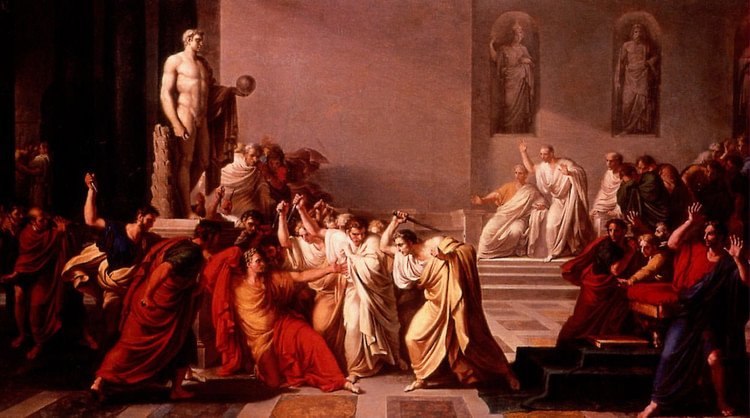
The idea of a "Living God" was initially a controversial one in Rome. Julius Caesar was deified only after his death, but his successor, Augustus, had to be more strategic. To avoid the appearance of a king or a tyrant, he allowed himself to be worshiped as the "Son of a God" (Divi Filius) rather than a god in his own right.
In the Greek-speaking East, however, the tradition of the "God-King" was already centuries old. Augustus leaned into this, allowing temples to be built to "Rome and Augustus" in cities like Pergamon and Ancyra. This established a precedent where the Emperor’s personhood became inseparable from the divinity of the Roman State itself.
2. The Architecture of Power
Temples dedicated to the Imperial Cult were designed to be the most imposing structures in any Roman city. They were the physical manifestations of the Emperor’s reach.
The Temple of Augustus and Livia (Vienne, France): This remarkably well-preserved temple demonstrates how the cult expanded to include the Empress. By deifying Livia, the Romans promoted the idea of a "Divine Household," suggesting that the imperial bloodline itself was sacred.
The Temple of Claudius (Colchester, UK): Built shortly after the Roman invasion of Britain, this temple was a massive symbol of occupation. It was so central to Roman identity that during the Boudican Revolt, the local Britons made a point of trapping the Roman defenders inside and burning it to the ground.
The Maison Carrée (Nîmes, France): Originally dedicated to Gaius and Lucius Caesar, the grandsons of Augustus, this temple shows how the cult was used to "pre-authorize" successors by marking them as divine before they even took office.
3. The Priesthood of the Freedmen
Running the cult was a high-status job. In the provinces, the Seviri Augustales—an order of six priests—managed the rituals. Interestingly, these positions were often filled by wealthy freedmen (former slaves).
Because freedmen were barred from holding traditional political offices like the Senate, the Imperial Cult offered them a "back door" to social power. By funding massive public banquets and sacrifices in the Emperor’s name, they proved their loyalty to Rome and became the most influential figures in their local communities.
4. Sacrifice as a Political Test
In the Roman world, worship was a civic duty. Honoring the Emperor's genius (his divine spirit) was believed to ensure the Pax Deorum, or the peace of the gods. If the Emperor was happy, the gods were happy, and the Empire stayed safe.
This turned religious ritual into a loyalty test. Refusing to offer a small pinch of incense to the Emperor’s image wasn't just a theological disagreement—it was maiestas (treason). This was the primary reason for the Roman state's conflict with early Christians. From the Roman perspective, the Christians weren't being persecuted for their beliefs, but for their refusal to perform a simple "pledge of allegiance" that kept the state secure.
5. From God-King to Holy Monarch
When the Empire eventually turned toward Christianity, the Imperial Cult didn't disappear—it just changed its wardrobe. The Emperor was no longer a god, but he became "God's Vice-Regent." The elaborate incense-burning and bowing of the Imperial Cult were absorbed into the court ceremonies of the Byzantine Empire. The temples were often converted into churches, ensuring that the architecture of divine power remained central to European life for centuries.