• MAIN PAGE
  • LATEST NEWS
    • Lost Cities
    • Archaeology's Greatest Finds
    • Underwater Discoveries
    • Greatest Inventions
    • Studies
    • Blog
  • PHILOSOPHY
  • HISTORY
  • RELIGIONS
    • Africa
    • Anatolia
    • Arabian Peninsula
    • Balkan Region
    • China - East Asia
    • Europe
    • Eurasian Steppe
    • Levant
    • Mesopotamia
    • Oceania - SE Asia
    • Pre-Columbian Civilizations of America
    • Iranian Plateau - Central Asia
    • Indus Valley - South Asia
    • Japan
    • The Archaeologist Editor Group
    • Scientific Studies
    • Aegean Prehistory
    • Historical Period
    • Byzantine Middle Ages
    • Predynastic Period
    • Dynastic Period
    • Greco-Roman Egypt
  • Rome
  • PALEONTOLOGY
  • About us
Menu

The Archaeologist

  • MAIN PAGE
  • LATEST NEWS
  • DISCOVERIES
    • Lost Cities
    • Archaeology's Greatest Finds
    • Underwater Discoveries
    • Greatest Inventions
    • Studies
    • Blog
  • PHILOSOPHY
  • HISTORY
  • RELIGIONS
  • World Civilizations
    • Africa
    • Anatolia
    • Arabian Peninsula
    • Balkan Region
    • China - East Asia
    • Europe
    • Eurasian Steppe
    • Levant
    • Mesopotamia
    • Oceania - SE Asia
    • Pre-Columbian Civilizations of America
    • Iranian Plateau - Central Asia
    • Indus Valley - South Asia
    • Japan
    • The Archaeologist Editor Group
    • Scientific Studies
  • GREECE
    • Aegean Prehistory
    • Historical Period
    • Byzantine Middle Ages
  • Egypt
    • Predynastic Period
    • Dynastic Period
    • Greco-Roman Egypt
  • Rome
  • PALEONTOLOGY
  • About us
No results found

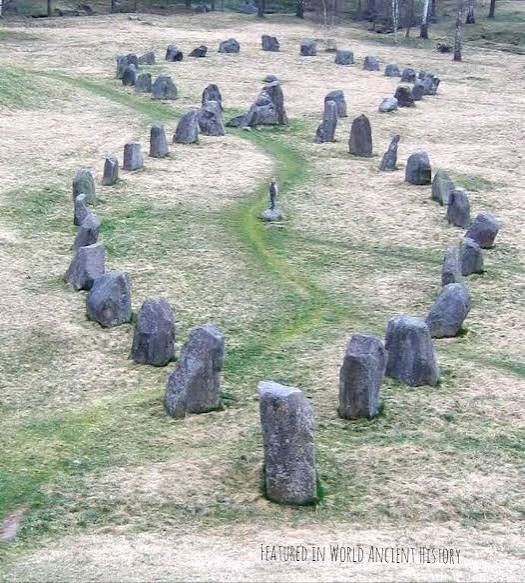
The First Builders of Sacred Pathways and Pilgrimage Routes

March 20, 2026

Journeys of Faith

Pilgrimage is one of the oldest forms of spiritual practice.

Ancient people traveled long distances along sacred pathways to reach holy sites, seeking guidance, healing, or connection with the divine.

Creating Sacred Routes

Early pilgrimage routes were often marked by natural landmarks, shrines, or constructed paths.

These routes connected distant regions and became important cultural and spiritual networks.

The Meaning of the Journey

Pilgrimage was not only about reaching a destination.

The journey itself held spiritual significance, representing personal transformation, devotion, and commitment.

Shared Traditions

Pilgrimage routes brought people together from different communities.

Travelers exchanged ideas, stories, and traditions, contributing to cultural exchange.

Enduring Paths

Some ancient pilgrimage routes are still in use today, reflecting their lasting importance.

They serve as reminders of humanity’s enduring search for meaning
← Mysterious Ancient Towers With Unknown PurposeThe Legendary Kings Mentioned Only in Myth →
Featured
image_2026-05-06_231204842.png
May 6, 2026
The Discovery of Troy: How Schliemann’s Obsession Changed Archaeology
May 6, 2026
Read More →
May 6, 2026
image_2026-05-06_230829515.png
May 6, 2026
Ancient Sumerian Cylinder Seals: The Tiny Masterpieces of Mesopotamia
May 6, 2026
Read More →
May 6, 2026
image_2026-05-06_230748904.png
May 6, 2026
The Nazca Puquios: Ancient Hydraulic Systems That Still Work Today
May 6, 2026
Read More →
May 6, 2026
image_2026-05-06_231132977.png
May 6, 2026
Roman Military Camps: Life on the Limes of the Danube River
May 6, 2026
Read More →
May 6, 2026
image_2026-05-04_225440373.png
May 6, 2026
The Maya Blue Pigment: The Chemistry of an Ancient Artistic Miracle
May 6, 2026
Read More →
May 6, 2026
image_2026-05-04_225323051.png
May 6, 2026
Viking Trade Routes: From the Fjords of Norway to the Markets of Baghdad
May 6, 2026
Read More →
May 6, 2026
read more

Powered by The archaeologist