• MAIN PAGE
  • LATEST NEWS
    • Lost Cities
    • Archaeology's Greatest Finds
    • Underwater Discoveries
    • Greatest Inventions
    • Studies
    • Blog
  • PHILOSOPHY
  • HISTORY
  • RELIGIONS
    • Africa
    • Anatolia
    • Arabian Peninsula
    • Balkan Region
    • China - East Asia
    • Europe
    • Eurasian Steppe
    • Levant
    • Mesopotamia
    • Oceania - SE Asia
    • Pre-Columbian Civilizations of America
    • Iranian Plateau - Central Asia
    • Indus Valley - South Asia
    • Japan
    • The Archaeologist Editor Group
    • Scientific Studies
    • Aegean Prehistory
    • Historical Period
    • Byzantine Middle Ages
    • Predynastic Period
    • Dynastic Period
    • Greco-Roman Egypt
  • Rome
  • PALEONTOLOGY
  • About us
Menu

The Archaeologist

  • MAIN PAGE
  • LATEST NEWS
  • DISCOVERIES
    • Lost Cities
    • Archaeology's Greatest Finds
    • Underwater Discoveries
    • Greatest Inventions
    • Studies
    • Blog
  • PHILOSOPHY
  • HISTORY
  • RELIGIONS
  • World Civilizations
    • Africa
    • Anatolia
    • Arabian Peninsula
    • Balkan Region
    • China - East Asia
    • Europe
    • Eurasian Steppe
    • Levant
    • Mesopotamia
    • Oceania - SE Asia
    • Pre-Columbian Civilizations of America
    • Iranian Plateau - Central Asia
    • Indus Valley - South Asia
    • Japan
    • The Archaeologist Editor Group
    • Scientific Studies
  • GREECE
    • Aegean Prehistory
    • Historical Period
    • Byzantine Middle Ages
  • Egypt
    • Predynastic Period
    • Dynastic Period
    • Greco-Roman Egypt
  • Rome
  • PALEONTOLOGY
  • About us
No results found

The Legendary Kings Mentioned Only in Myth

March 20, 2026

Rulers Between History and Legend

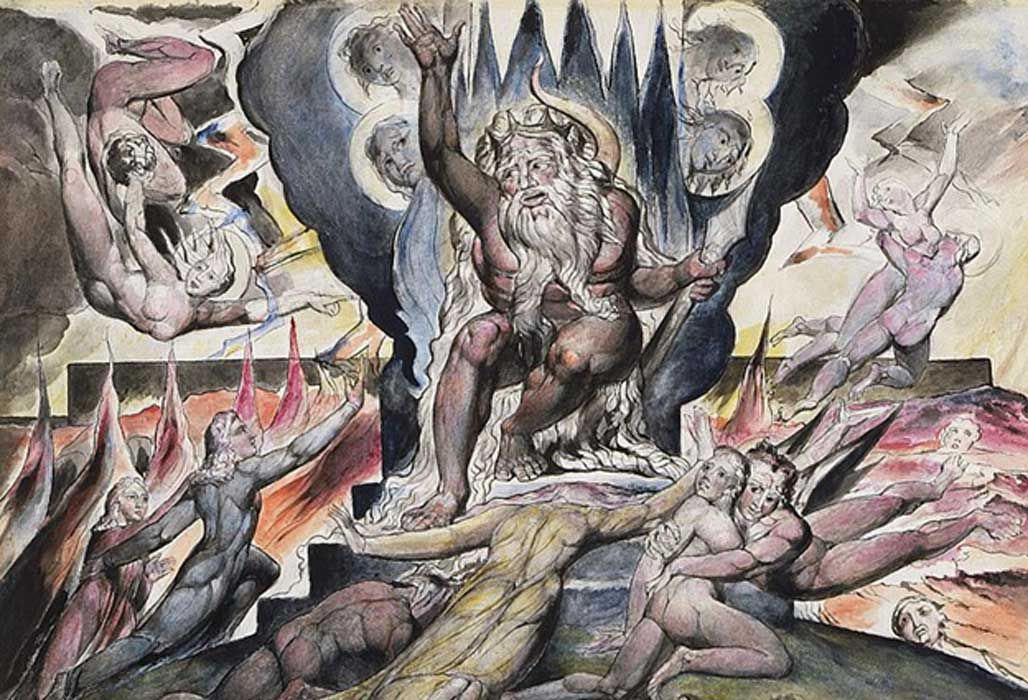
Throughout ancient traditions, stories of powerful kings appear in myths and epics. Some of these rulers may never have existed, while others could be based on real individuals whose stories were transformed over time.

Kings of Myth

Figures like King Arthur are known primarily through legend.

These rulers are often depicted as heroic leaders, wise judges, or warriors who shaped their worlds in extraordinary ways.

Blending Fact and Fiction

Mythical kings may contain elements of historical truth.

Over generations, real events can become exaggerated, and historical figures may be transformed into larger-than-life characters.

This blending makes it difficult to separate fact from legend.

Cultural Significance

These kings often represent ideals such as justice, bravery, and leadership.

Their stories served as moral lessons and sources of inspiration for the societies that told them.

Archaeological Possibilities

In some cases, archaeological discoveries have hinted at the existence of rulers who resemble legendary figures.

However, definitive proof is often difficult to find.

The Power of Storytelling

Whether real or imagined, legendary kings continue to shape cultural identity.

Their stories remind us that history is not only recorded in facts but also preserved in narrative and imagination.

← The First Builders of Sacred Pathways and Pilgrimage Routes Ancient Healing Temples and the Birth of Medicine →
Featured
images (88).jpeg
September 20, 2026
Vendel Cemetery: Sweden's Pre-Viking Elite Graves
September 20, 2026
Read more →
September 20, 2026
images (89).jpeg
September 20, 2026
Valsgärde: Sweden's Ship Burials
September 20, 2026
Read more →
September 20, 2026
images (90).jpeg
September 20, 2026
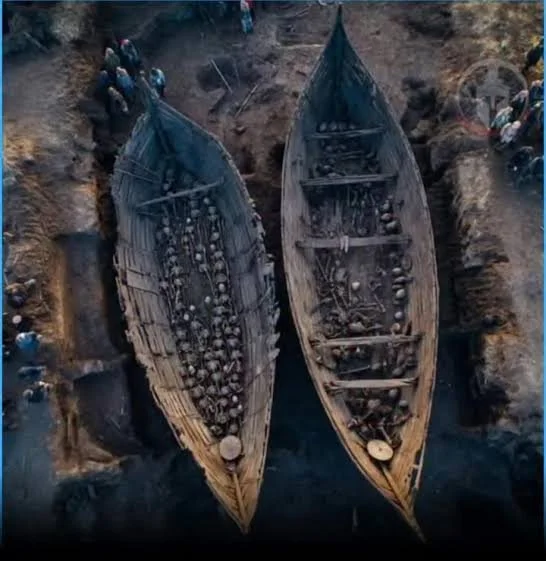
Boat Graves of Salme: Estonia's 8th-Century Warriors
September 20, 2026
Read more →
September 20, 2026
images (92).jpeg
September 20, 2026
Rõuge: Estonia's Bronze Age Hillfort
September 20, 2026
Read more →
September 20, 2026
images (93).jpeg
September 20, 2026
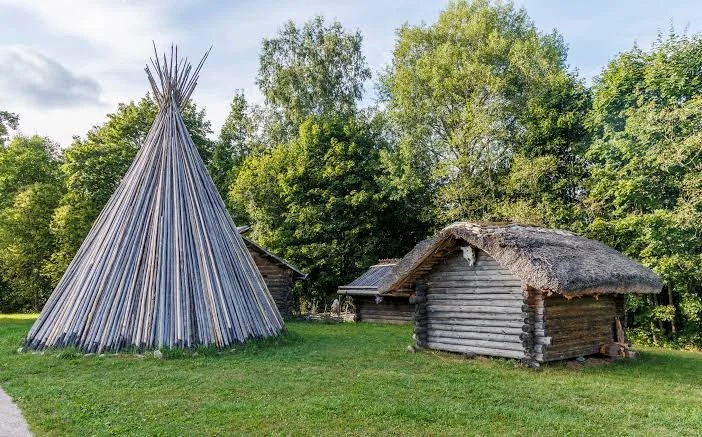
Asva: Saaremaa's Iron Age Fort
September 20, 2026
Read more →
September 20, 2026
images (94).jpeg
September 20, 2026
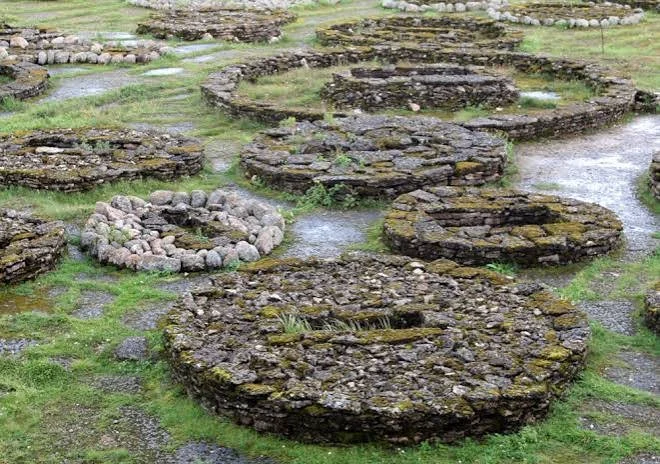
Ridala: Estonia's Stone Cist Graves
September 20, 2026
Read more →
September 20, 2026
read more

Powered by The archaeologist