• MAIN PAGE
  • LATEST NEWS
    • Lost Cities
    • Archaeology's Greatest Finds
    • Underwater Discoveries
    • Greatest Inventions
    • Studies
    • Blog
  • PHILOSOPHY
  • HISTORY
  • RELIGIONS
    • Africa
    • Anatolia
    • Arabian Peninsula
    • Balkan Region
    • China - East Asia
    • Europe
    • Eurasian Steppe
    • Levant
    • Mesopotamia
    • Oceania - SE Asia
    • Pre-Columbian Civilizations of America
    • Iranian Plateau - Central Asia
    • Indus Valley - South Asia
    • Japan
    • The Archaeologist Editor Group
    • Scientific Studies
    • Aegean Prehistory
    • Historical Period
    • Byzantine Middle Ages
    • Predynastic Period
    • Dynastic Period
    • Greco-Roman Egypt
  • Rome
  • PALEONTOLOGY
  • About us
Menu

The Archaeologist

  • MAIN PAGE
  • LATEST NEWS
  • DISCOVERIES
    • Lost Cities
    • Archaeology's Greatest Finds
    • Underwater Discoveries
    • Greatest Inventions
    • Studies
    • Blog
  • PHILOSOPHY
  • HISTORY
  • RELIGIONS
  • World Civilizations
    • Africa
    • Anatolia
    • Arabian Peninsula
    • Balkan Region
    • China - East Asia
    • Europe
    • Eurasian Steppe
    • Levant
    • Mesopotamia
    • Oceania - SE Asia
    • Pre-Columbian Civilizations of America
    • Iranian Plateau - Central Asia
    • Indus Valley - South Asia
    • Japan
    • The Archaeologist Editor Group
    • Scientific Studies
  • GREECE
    • Aegean Prehistory
    • Historical Period
    • Byzantine Middle Ages
  • Egypt
    • Predynastic Period
    • Dynastic Period
    • Greco-Roman Egypt
  • Rome
  • PALEONTOLOGY
  • About us

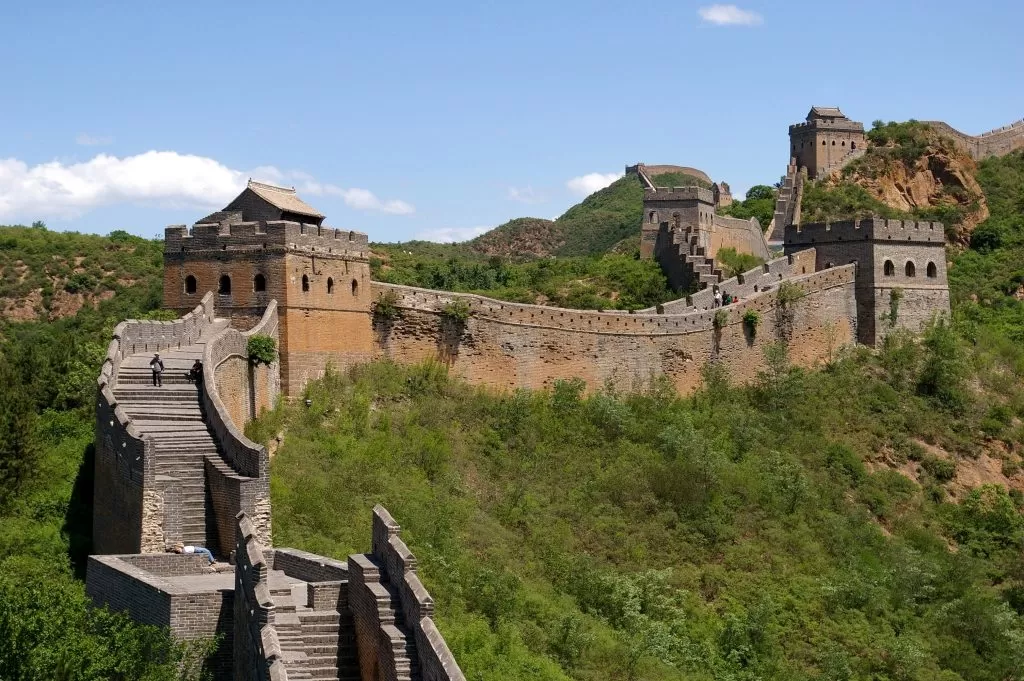
The First Fortified Walls Built by Human Societies

March 27, 2026

Defending Early Communities

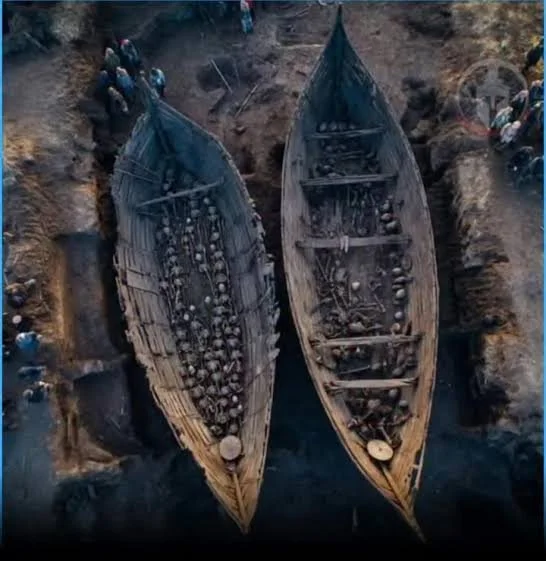
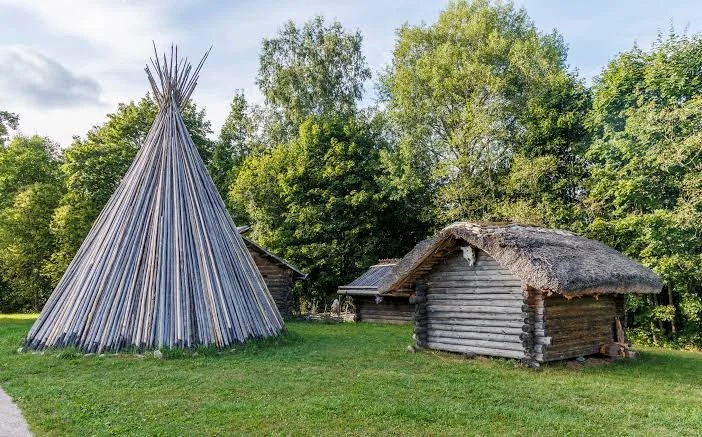
As settlements grew, the need for protection became essential. Fortified walls were among the earliest large-scale defensive structures built by humans.

They provided security and helped communities feel safe from threats.

Construction and Design

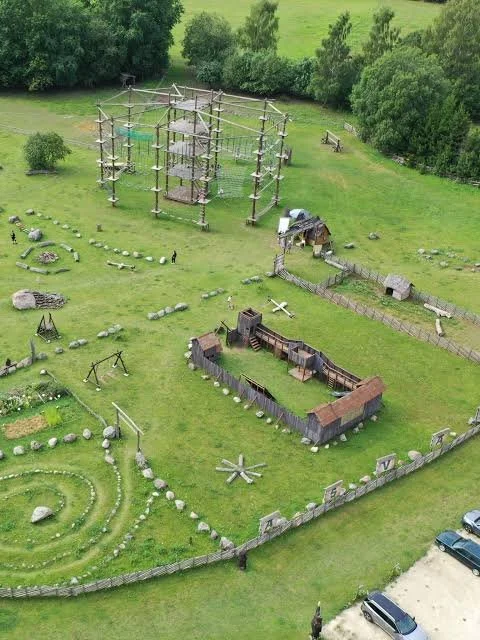
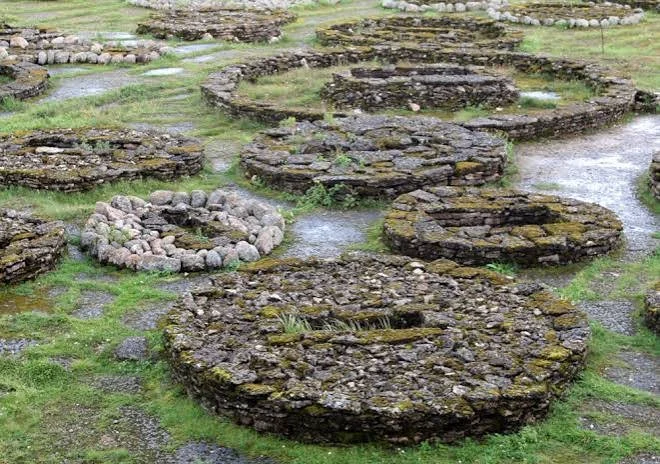
Walls were built using stone, mudbrick, or wood, depending on available resources. Some included towers, gates, and ditches for added defense.

Their construction required planning and cooperation.

Threats They Faced

Walls protected against invading groups, rival communities, and wild animals. They also helped control access to the settlement.

Symbols of Power

Beyond defense, walls represented strength and authority, marking boundaries and demonstrating organization.

47. Sacred Animals Found in Ancient Tombs

Animals in the Afterlife

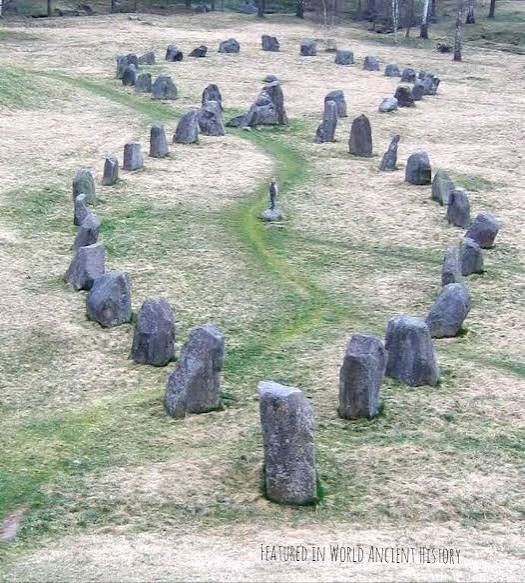
Animals were often buried with humans, reflecting beliefs about their role in the afterlife.

Symbolic Meaning

Different animals symbolized protection, guidance, or spiritual connection.

Ritual Practices

Some animals were mummified or buried with ceremonies, showing respect and belief in their importance.

Cultural Significance

These practices highlight the deep relationship between humans and animals in ancient belief systems.
← The Origins of Ancient Symbol WritingAncient Rituals Performed During Eclipses →
Featured
image_2026-03-26_203547309.png
Mar 27, 2026
The First Sunken Cities Rediscovered by Archaeologists
Mar 27, 2026
Read More →
Mar 27, 2026
image_2026-03-26_203346009.png
Mar 27, 2026
Ancient Mysteries Hidden in Desert Rock Formations
Mar 27, 2026
Read More →
Mar 27, 2026
image_2026-03-26_203303748.png
Mar 27, 2026
The Origins of Ancient Symbol Writing
Mar 27, 2026
Read More →
Mar 27, 2026
image_2026-03-26_203040451.png
Mar 27, 2026
The First Fortified Walls Built by Human Societies
Mar 27, 2026
Read More →
Mar 27, 2026
image_2026-03-26_203005959.png
Mar 27, 2026
Ancient Rituals Performed During Eclipses
Mar 27, 2026
Read More →
Mar 27, 2026
image_2026-03-26_202929055.png
Mar 27, 2026
The Lost Art of Ancient Stone Carving
Mar 27, 2026
Read More →
Mar 27, 2026
read more

Powered by The archaeologist