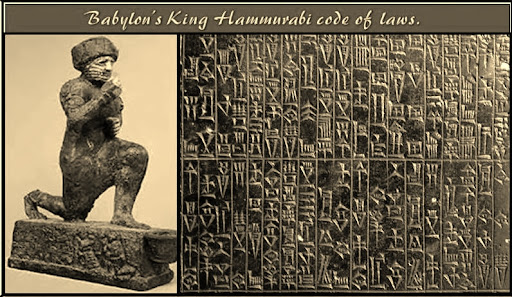
Hammurabi’s Code, created around 1754 BCE in ancient Babylon, is one of the earliest known written legal systems. Carved into a tall stone stele, the code contained nearly 300 laws addressing crimes, trade, family matters, and social responsibilities. Its public display emphasized that laws applied across society, not just through royal command.
The structure of the code followed a clear format: a statement of the offense, followed by a specific punishment. Many laws followed the principle of “an eye for an eye,” reflecting the belief in proportional justice. However, punishments varied depending on social class, revealing the hierarchical nature of Babylonian society.
Hammurabi presented himself as a divinely chosen ruler who enforced justice on behalf of the gods. This religious framing strengthened royal authority and linked law with morality and divine will. The code emphasized order, responsibility, and social stability, which were essential for governing a growing empire.
Hammurabi’s Code influenced later legal traditions by introducing the idea that laws should be written, consistent, and publicly known. While modern legal systems no longer apply its harsh punishments, the concept of codified law remains a cornerstone of justice today.