Building Before Civilization Began
Long before the rise of monumental architecture like pyramids or temples, prehistoric humans were already experimenting with construction and design. As early as 20,000 years ago, small communities demonstrated an impressive ability to manipulate their surroundings. These early builders, often overlooked, can be considered the first engineers—individuals who understood how to use available materials to solve practical problems.
Their work was driven by necessity. Survival required protection from harsh climates, predators, and environmental hazards. Over time, this need led to innovation, experimentation, and the gradual development of construction techniques that would influence future civilizations.
Early Materials and Structural Understanding
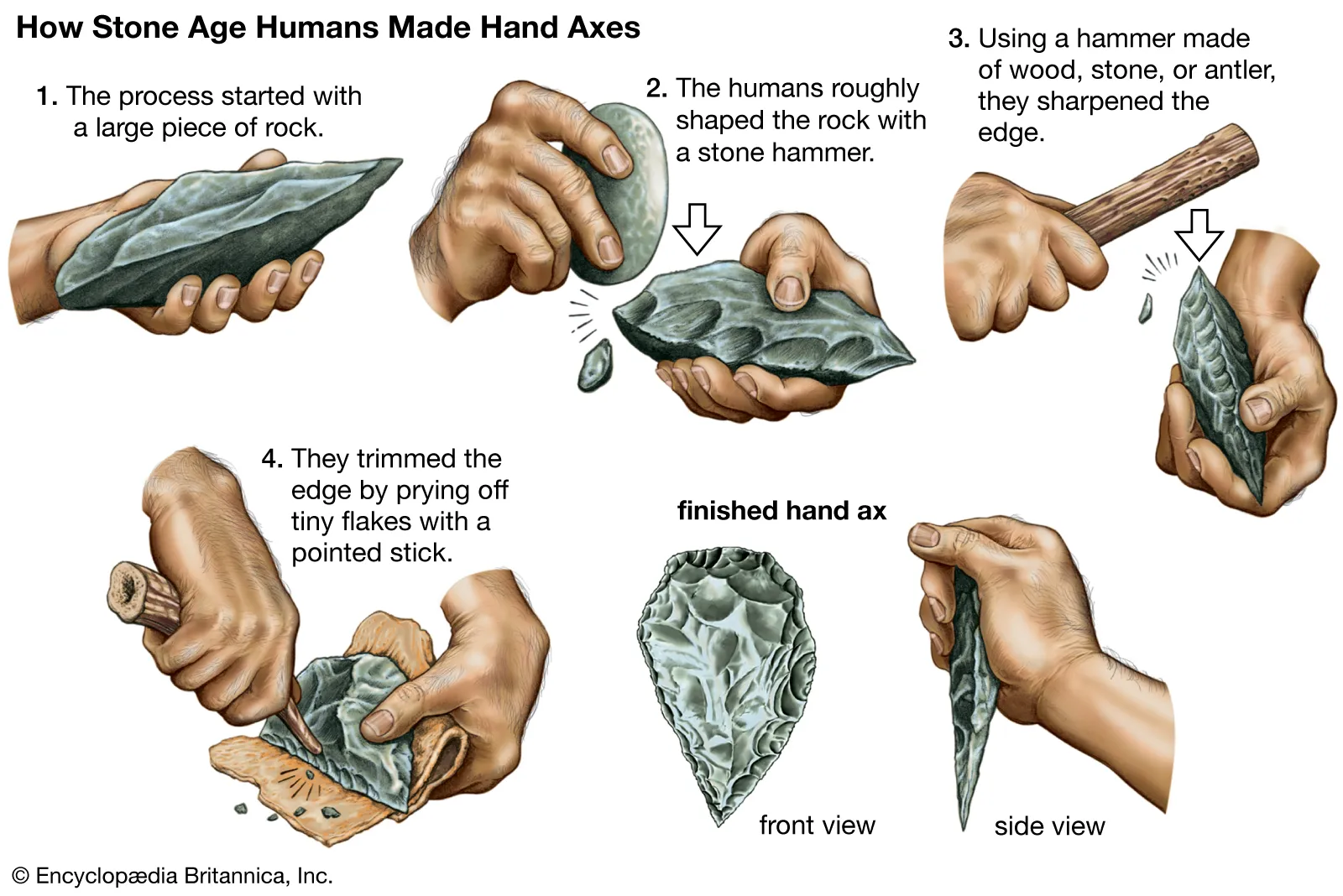
Prehistoric engineering relied on natural resources. Wood, stone, bone, and animal hides were the primary materials used. Despite the simplicity of these materials, early humans showed a clear understanding of how to combine them effectively.
For example, they created frameworks using wooden poles and reinforced them with bones or stones for stability. Animal hides were stretched across these frames to provide insulation and shelter. These early structures were not random—they were carefully assembled to withstand wind, rain, and changing temperatures.
This demonstrates an early awareness of structural integrity, even without formal knowledge of physics or engineering principles.
Cooperation and Collective Effort
One of the most important aspects of prehistoric engineering was cooperation. Large structures required teamwork, planning, and coordination. Moving heavy stones or constructing communal spaces could not be done by individuals alone.
This collective effort reflects early forms of social organization. People worked together toward shared goals, laying the foundation for more complex societies in the future.
Stone Arrangements and Early Planning
Prehistoric communities also arranged stones in meaningful ways. These arrangements were not purely functional—they often held symbolic or social significance. Some may have served as gathering points, territorial markers, or ritual sites.
The placement of stones suggests planning and intentional design. In some cases, alignments appear to correspond with natural features or celestial events, indicating a deeper level of observation and understanding.
Adapting to the Environment
Early engineers were highly attuned to their environment. They chose building sites carefully, considering access to water, sunlight, and natural protection. Shelters were often positioned to take advantage of natural windbreaks or elevation.
This ability to adapt designs to environmental conditions is a key principle of engineering that continues today.
Innovation Through Experience
Without written records, knowledge was passed down through observation and practice. Each generation improved upon the work of the previous one. Mistakes became lessons, and successful techniques were refined over time.
This process of continuous improvement allowed prehistoric engineering to evolve gradually, leading to more stable and efficient structures.
A Lasting Foundation
Although simple compared to later achievements, these early engineering efforts represent a critical stage in human development. They show that even in prehistoric times, humans were capable of creativity, planning, and problem-solving.
These first engineers laid the groundwork for everything that followed—from villages and cities to the great architectural wonders of the ancient world.