• MAIN PAGE
  • LATEST NEWS
    • Lost Cities
    • Archaeology's Greatest Finds
    • Underwater Discoveries
    • Greatest Inventions
    • Studies
    • Blog
  • PHILOSOPHY
  • HISTORY
  • RELIGIONS
    • Africa
    • Anatolia
    • Arabian Peninsula
    • Balkan Region
    • China - East Asia
    • Europe
    • Eurasian Steppe
    • Levant
    • Mesopotamia
    • Oceania - SE Asia
    • Pre-Columbian Civilizations of America
    • Iranian Plateau - Central Asia
    • Indus Valley - South Asia
    • Japan
    • The Archaeologist Editor Group
    • Scientific Studies
    • Aegean Prehistory
    • Historical Period
    • Byzantine Middle Ages
    • Predynastic Period
    • Dynastic Period
    • Greco-Roman Egypt
  • Rome
  • PALEONTOLOGY
  • About us
Menu

The Archaeologist

  • MAIN PAGE
  • LATEST NEWS
  • DISCOVERIES
    • Lost Cities
    • Archaeology's Greatest Finds
    • Underwater Discoveries
    • Greatest Inventions
    • Studies
    • Blog
  • PHILOSOPHY
  • HISTORY
  • RELIGIONS
  • World Civilizations
    • Africa
    • Anatolia
    • Arabian Peninsula
    • Balkan Region
    • China - East Asia
    • Europe
    • Eurasian Steppe
    • Levant
    • Mesopotamia
    • Oceania - SE Asia
    • Pre-Columbian Civilizations of America
    • Iranian Plateau - Central Asia
    • Indus Valley - South Asia
    • Japan
    • The Archaeologist Editor Group
    • Scientific Studies
  • GREECE
    • Aegean Prehistory
    • Historical Period
    • Byzantine Middle Ages
  • Egypt
    • Predynastic Period
    • Dynastic Period
    • Greco-Roman Egypt
  • Rome
  • PALEONTOLOGY
  • About us

The First Scientists of the Ancient World

March 20, 2026

Curiosity Before Modern Science

Long before laboratories, microscopes, or formal scientific methods, early thinkers were already trying to understand how the world worked. These individuals observed nature, studied the stars, and explored patterns in numbers—laying the foundation for what we now call science.

Though they did not use the term “scientist,” their curiosity and reasoning marked the beginning of systematic knowledge.

Observing the Natural World

Ancient thinkers carefully observed their surroundings.

They studied the movement of the sun and moon, tracked seasonal changes, and examined plants and animals. These observations were not random—they were repeated, recorded, and passed down through generations.

In agricultural societies, understanding nature was essential for survival. Knowing when to plant or harvest depended on recognizing patterns in weather and celestial cycles.

Early Astronomy

The night sky was one of the earliest subjects of scientific study.

Ancient observers mapped the stars, identified constellations, and noticed regular patterns in planetary movement. These observations helped create calendars and predict seasonal changes.

In regions like Mesopotamia and Ancient Egypt, early astronomers played important roles in both science and religion, linking celestial events to human life.

Mathematics and Measurement

Mathematics also emerged as an essential tool.

Ancient scholars developed systems for counting, measuring land, and constructing buildings. Geometry was used in architecture, while basic arithmetic supported trade and administration.

These early mathematical systems allowed societies to organize resources and build complex structures.

Thinkers and Philosophers

Some individuals went beyond observation and began asking deeper questions about the nature of reality.

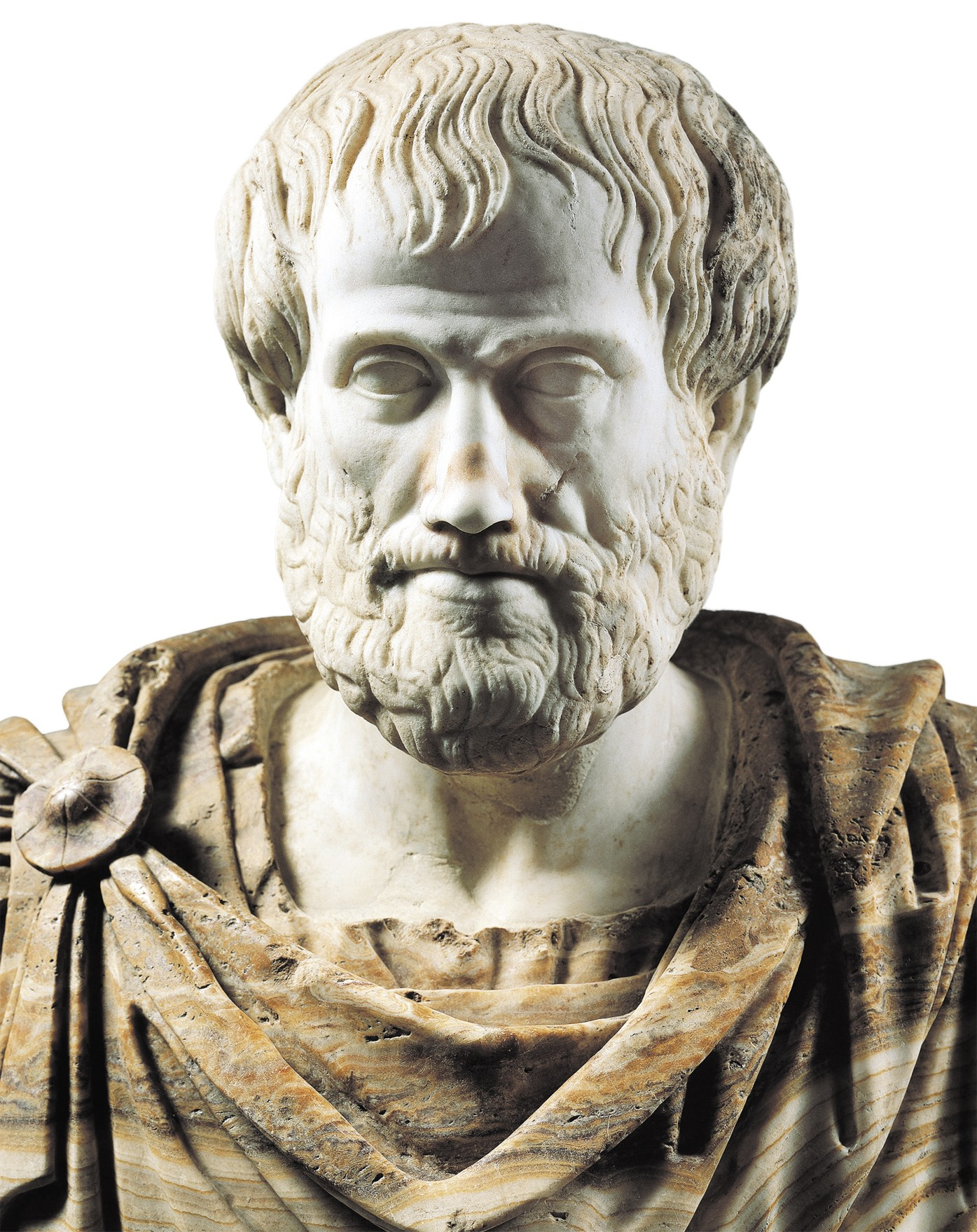
In ancient cultures, philosophers explored ideas about matter, motion, and the universe. Though their explanations were sometimes limited by the knowledge of their time, their efforts represented a shift toward logical reasoning.

The Birth of Scientific Thinking

The first scientists combined observation, experimentation, and interpretation.

They may not have had modern tools, but they shared a key trait with today’s researchers: a desire to understand the world through evidence and reasoning.

A Lasting Influence

The work of these early thinkers laid the groundwork for future discoveries.

Their observations and ideas were passed down, refined, and expanded over time, eventually leading to the scientific advancements we rely on today.
← Mountain Gods and Their Ancient ShrinesArchitects of the Bronze Age: The First Mega-Builders →
Featured
image_2026-03-19_161020692.png
Mar 20, 2026
Sacred Lakes Mentioned in Ancient Myths
Mar 20, 2026
Read More →
Mar 20, 2026
image_2026-03-19_160924989.png
Mar 20, 2026
Lost Valleys That Once Held Great Civilizations
Mar 20, 2026
Read More →
Mar 20, 2026
image_2026-03-19_160833978.png
Mar 20, 2026
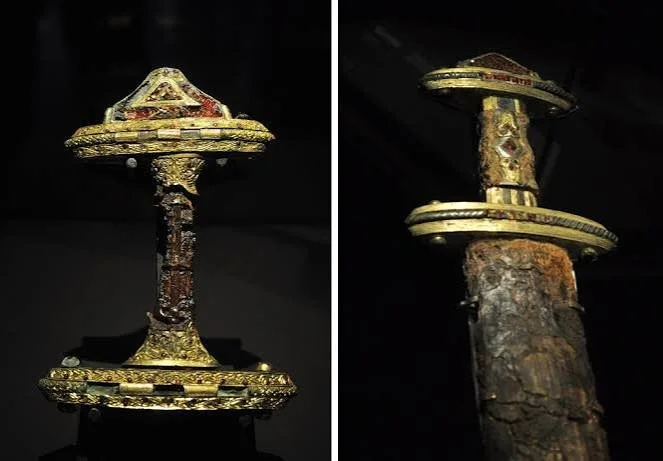
Ancient Metal Weapons That Changed Warfare Forever
Mar 20, 2026
Read More →
Mar 20, 2026
image_2026-03-19_160758461.png
Mar 20, 2026
The First Written Laws in Human History
Mar 20, 2026
Read More →
Mar 20, 2026
image_2026-03-19_160709586.png
Mar 20, 2026
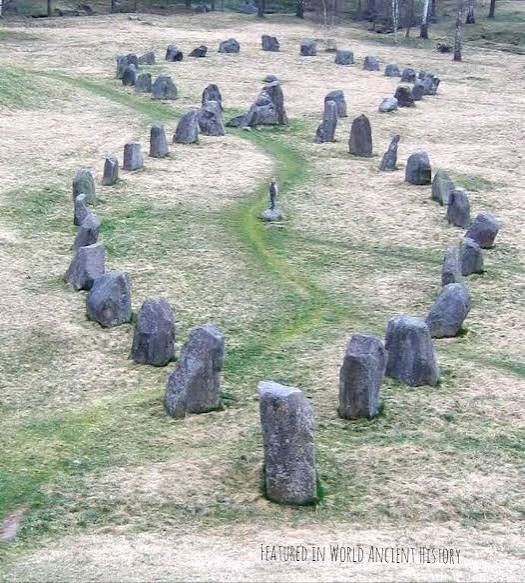
Stone Circles Across the World and Their Shared Mysteries
Mar 20, 2026
Read More →
Mar 20, 2026
image_2026-03-19_160558073.png
Mar 20, 2026
Hidden Burial Chambers Beneath Sacred Temples
Mar 20, 2026
Read More →
Mar 20, 2026
read more

Powered by The archaeologist