The Rise of Metal Warfare
The transition from stone tools to metal weapons marked one of the most significant turning points in human history.
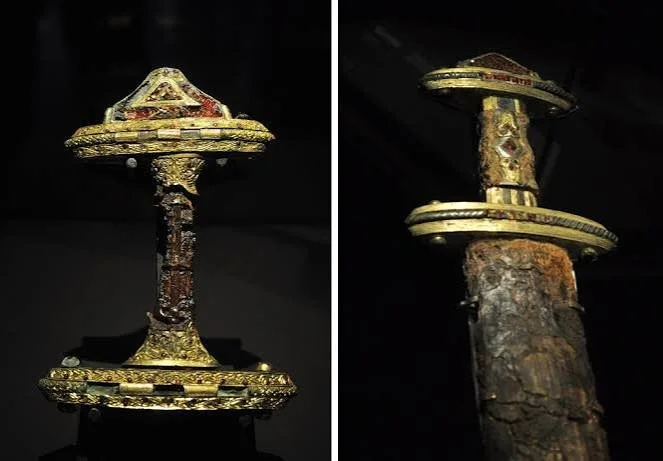
Metal weapons were stronger, sharper, and more durable, giving those who possessed them a clear advantage in battle. This technological shift transformed not only how wars were fought but also how societies organized themselves.
Early Weapons
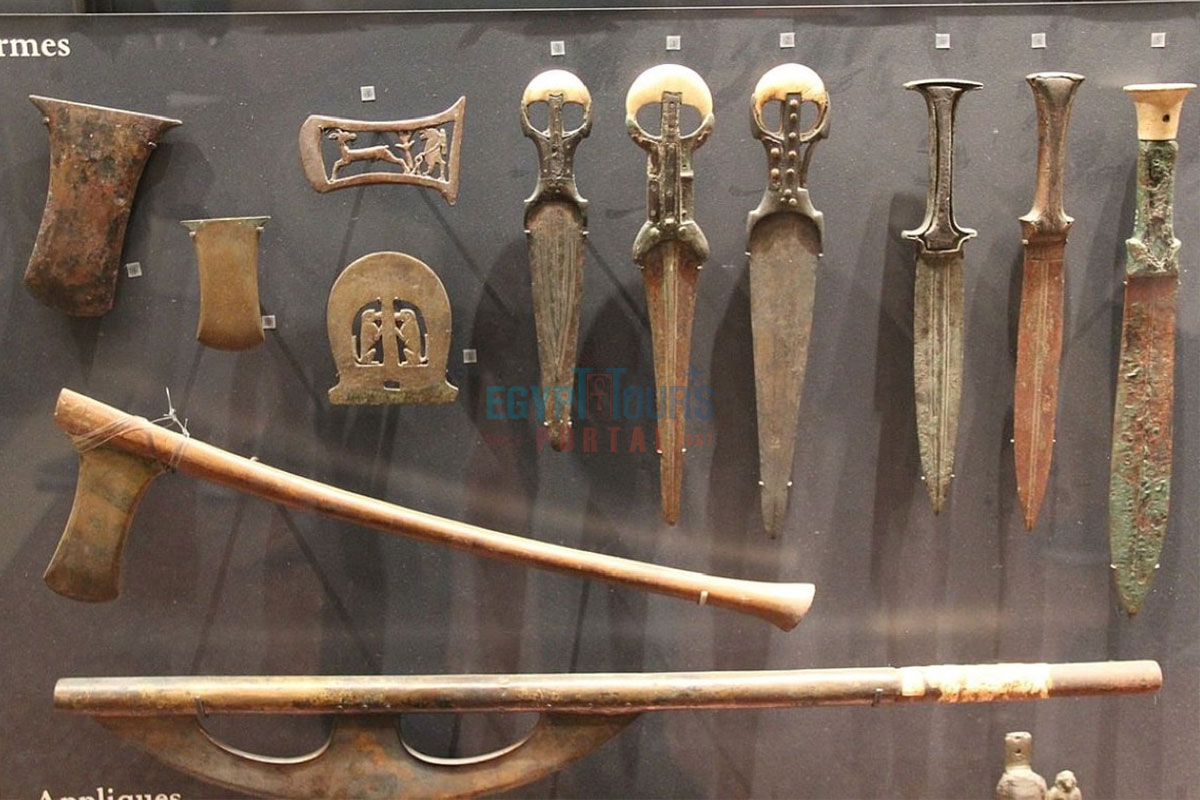
The earliest metal weapons were made from bronze, a combination of copper and tin.
Bronze swords, spears, and axes allowed warriors to fight more effectively than ever before. Later, the introduction of iron brought even stronger and more reliable weapons.
These tools were not only practical but also symbols of power and status.
Technological Advantage
Armies equipped with metal weapons often dominated those using older technologies.
Superior weapons meant greater efficiency in combat, allowing smaller or better-equipped forces to defeat larger groups.
This advantage encouraged the spread of metallurgy and increased competition between societies.
Armor and Defense
Metal was also used to create armor and protective gear.
Helmets, shields, and body armor improved a warrior’s chances of survival, changing the dynamics of battle.
As defense improved, offensive strategies evolved as well, leading to more complex forms of warfare.
Strategy and Organization
With improved weapons came the need for better organization.
Armies became more structured, with trained soldiers, coordinated tactics, and defined roles. Warfare became less about individual combat and more about group strategy.
A New Era of Conflict
Metallurgy did not just improve weapons—it transformed the entire nature of warfare.
Battles became more strategic, societies became more militarized, and power became closely tied to technological advancement.
The influence of these early innovations can still be seen in modern military systems.