A New Era of Construction
The Bronze Age marked a major turning point in human history, particularly in architecture and engineering.
With the introduction of metal tools and improved organization, builders were able to construct larger, stronger, and more complex structures than ever before.
Engineering Achievements
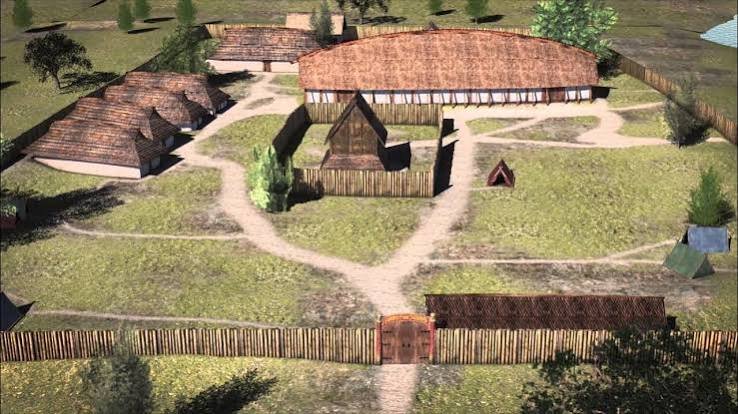
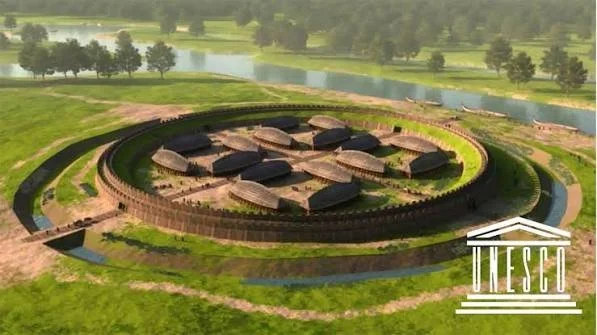
Bronze Age societies created massive walls, palaces, temples, and urban centers.
These projects required careful planning, coordination, and skilled labor. Builders had to manage resources, design stable structures, and organize large groups of workers.
The scale of these constructions reflects a high level of social organization and technical knowledge.
Tools and Innovation
Bronze tools played a key role in these advancements.
Stronger and more durable than stone tools, they allowed for more precise cutting, shaping, and assembly of materials.
This increased efficiency made it possible to build on a much larger scale.
Cultural Impact
Large structures were more than practical—they were symbols of power and identity.
Palaces represented political authority, temples expressed religious devotion, and city walls demonstrated strength and protection.
These buildings became central to the cultural and social life of communities.
Specialists and Organization
The construction of large projects required skilled workers, including architects, engineers, and craftsmen.
This specialization marked an important step in the development of complex societies.
Foundations of Architecture
The innovations of Bronze Age builders laid the groundwork for future architectural achievements.
Their techniques influenced later civilizations and continue to inspire modern construction.
Lasting Legacy
The structures built during this era still stand as reminders of human creativity and ambition.
They show that even thousands of years ago, people were capable of designing and building on a monumental scale.