Waters of Mystery
Across cultures and continents, lakes have long been viewed as more than simple natural bodies of water. To ancient societies, they were living symbols—mysterious, powerful, and deeply connected to the spiritual world. Their still surfaces often concealed unknown depths, inspiring both reverence and curiosity.
Many traditions described lakes as gateways to the divine, places where the physical and spiritual realms could meet. In myths and legends, they were often portrayed as entrances to hidden worlds, homes of supernatural beings, or sacred spaces where transformation could occur.
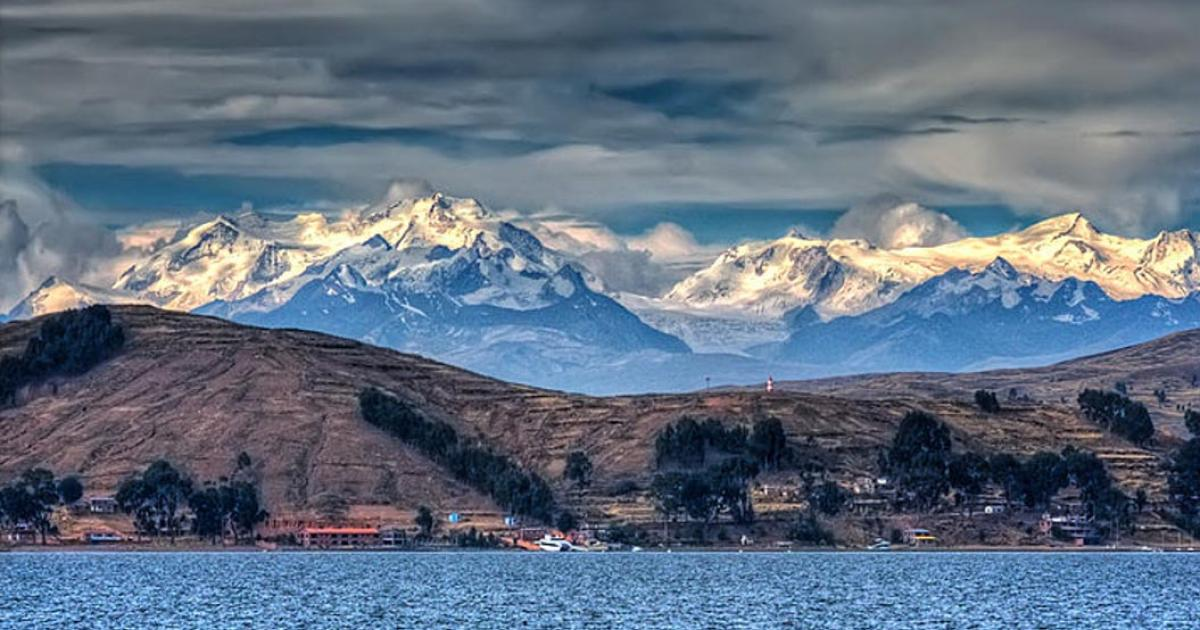
From the misty waters of Lake Titicaca in South America to the myth-filled Lake Llyn y Fan Fach in Wales, sacred lakes appear in stories across the globe, each carrying its own cultural meaning while sharing common themes of mystery and power.
Myth and Ritual
Communities gathered at sacred lakes to perform rituals that were central to their spiritual lives.
These ceremonies often involved offerings such as food, crafted objects, or precious items placed into the water. In some traditions, people believed that the lake itself could receive these offerings and carry them to divine beings.
Rituals performed near lakes were meant to seek blessings, protection, healing, or guidance. Some ceremonies were seasonal, tied to agricultural cycles or celestial events, while others marked important life transitions such as birth, adulthood, or death.
Lakes were frequently associated with deities, spirits, or mythical beings. In some myths, they were said to be inhabited by guardians or supernatural entities who controlled the water’s power. Respecting these forces was essential, and rituals helped maintain balance between humans and the unseen world.
Archaeological Evidence
Modern archaeology provides strong evidence supporting the sacred role of lakes in ancient societies.
Excavations near and within lakes have uncovered a wide range of artifacts, including pottery, tools, jewelry, and ceremonial objects. In some cases, these items appear to have been intentionally placed in the water rather than lost by accident.
Such discoveries suggest that lakes were used as sites for offerings and ritual deposits. The deliberate placement of valuable or symbolic items indicates that these acts held deep spiritual meaning.
In certain locations, evidence of repeated activity—such as layers of deposited objects—points to long-standing traditions of worship and ritual practice centered around these bodies of water.
Symbolism of Water
Water has always been one of the most powerful symbols in human culture.
It represents life, as all living things depend on it for survival. At the same time, it symbolizes renewal and transformation, as water can cleanse, nourish, and reshape the world around it.
Lakes, in particular, carry unique symbolic meaning. Unlike rivers, which are constantly moving, lakes appear calm and still. This stillness often suggests depth—both physical and spiritual.
Ancient people may have seen lakes as mirrors of the soul or as spaces for reflection and connection with the unseen. Their quiet surfaces could hide unknown depths, reinforcing the idea that they were places of mystery and hidden knowledge.
Cultural Significance
Sacred lakes were not only places of worship but also important centers of community life.
People gathered at these sites for ceremonies, festivals, and shared traditions. These events strengthened social bonds and reinforced cultural identity.
Lakes often became landmarks within the landscape, shaping how communities understood their environment. They were places where stories were told, beliefs were practiced, and traditions were passed down through generations.
In some cultures, sacred lakes were also linked to origin myths—stories explaining how a people or civilization began. This further deepened their importance as both spiritual and cultural symbols.
Living Traditions
The reverence for sacred lakes has not disappeared with time.
Even today, many cultures continue to honor lakes through rituals, ceremonies, and cultural practices. Pilgrimages, offerings, and festivals still take place at certain sites, reflecting traditions that have lasted for centuries or even millennia.
These living traditions demonstrate the enduring connection between humans and water. Despite changes in technology and belief systems, the symbolic power of lakes remains strong.
Timeless Reflections
Sacred lakes remind us that nature has always been a source of inspiration, meaning, and spiritual connection.
They reflect humanity’s desire to understand the unknown, to connect with forces beyond the visible world, and to find meaning in the environment.
Across time and culture, lakes have remained powerful symbols of mystery, transformation, and life itself—quiet yet profound reminders of the deep relationship between humans and the natural world.