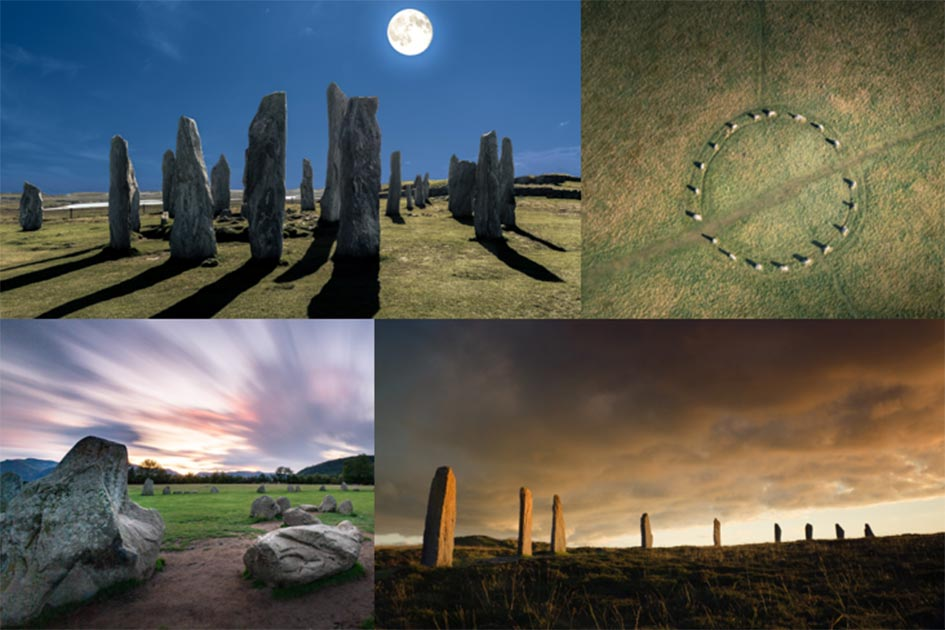
Rings of Stone, Circles of Meaning
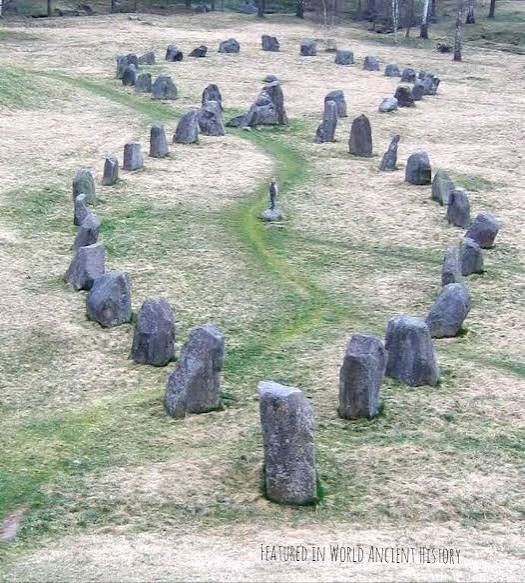
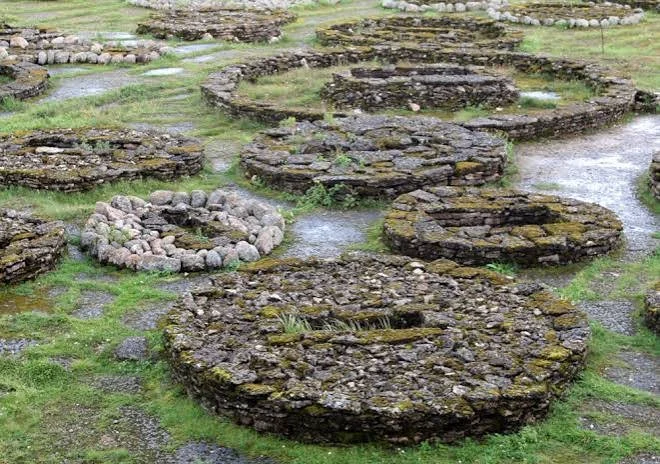
Across different continents, ancient people built stone circles—carefully arranged formations of large stones placed in circular patterns. These structures, some of which are thousands of years old, continue to capture the imagination of archaeologists and historians.
Though separated by distance, culture, and time, many of these circles share striking similarities. Their purpose remains one of the most intriguing mysteries of the ancient world.
Global Examples
Stone circles appear in many regions, particularly across Europe and Africa, as well as parts of Asia and the Middle East.
One of the most well-known examples is Stonehenge in England, but there are hundreds of lesser-known sites scattered across landscapes—from open plains to remote highlands.
Despite differences in size, number of stones, and construction style, these circles often show evidence of careful planning. The placement of each stone was likely intentional, suggesting a deeper purpose beyond simple arrangement.
Astronomical Alignments
One of the most widely studied features of stone circles is their alignment with celestial events.
Many circles appear to be positioned in relation to the rising or setting of the sun during solstices or equinoxes. In some cases, specific stones act as markers, framing the horizon at key moments of the year.
This suggests that ancient builders were not only skilled in construction but also keen observers of the sky. These circles may have functioned as early calendars, helping communities track seasonal changes essential for agriculture and survival.
Possible Purposes
The exact purpose of stone circles remains uncertain, and scholars continue to debate their meaning.
Some theories suggest they were used for religious or spiritual rituals. The circular shape may have symbolized unity, eternity, or the cycle of life. Others believe they served as gathering places where communities came together for ceremonies, storytelling, or decision-making.
Another possibility is that they acted as timekeeping systems, helping early societies understand and predict natural cycles.
Shared Human Ideas
The similarities between stone circles across distant regions suggest that different cultures may have developed comparable ways of interpreting the world.
Without direct contact, these societies still created structures that reflect shared concerns—understanding time, connecting with the cosmos, and creating communal spaces.
This points to a universal human desire to find meaning in nature and to express that meaning through architecture.
Enduring Mysteries
Despite decades of research, many stone circles still hold secrets.
Their builders left no written records explaining their purpose, leaving modern researchers to rely on interpretation and evidence.
These ancient rings of stone continue to inspire curiosity, reminding us that much of human history remains open to discovery.