Hidden Worlds
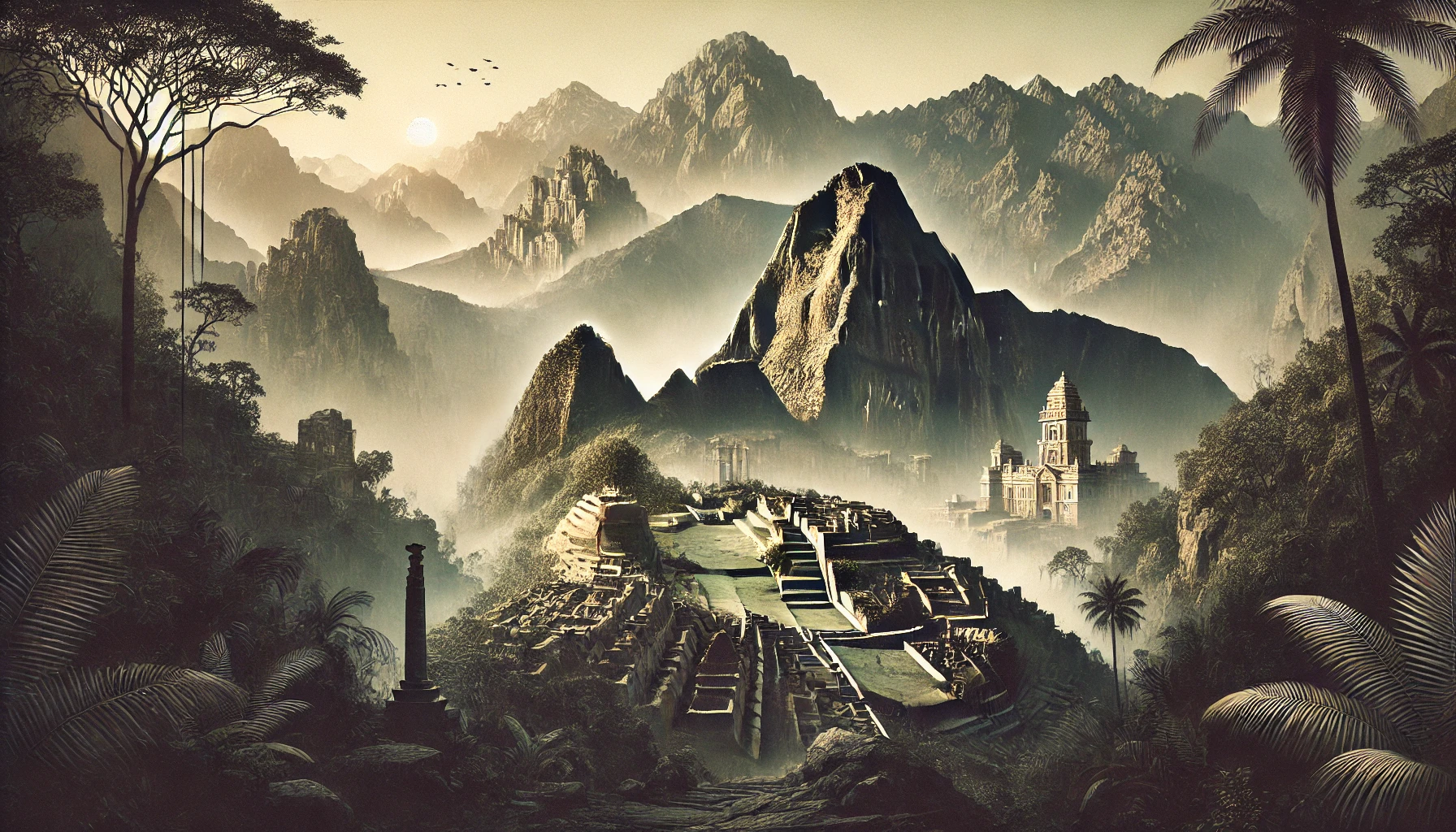
Throughout history, some of the most fascinating civilizations developed in remote valleys—hidden between towering mountains, winding rivers, or dense and difficult terrain. These landscapes acted as natural barriers, separating communities from the outside world and creating environments where cultures could evolve in relative isolation.
To those living within them, these valleys were not remote at all—they were entire worlds. Surrounded by protective geography, early inhabitants found safety, stability, and the resources needed to build lasting societies.
In regions such as the Andes Mountains and the Himalayas, valleys became cradles of civilization, where human ingenuity transformed challenging environments into thriving cultural centers.
Evidence of Civilization
Archaeological discoveries in these valleys reveal that they were home to advanced and highly organized societies.
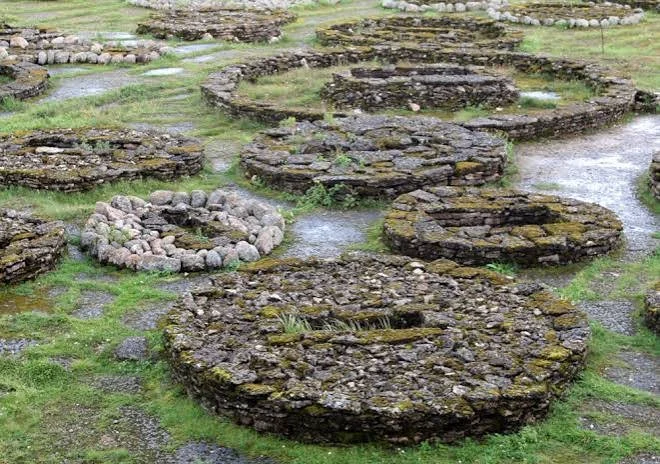
Excavations have uncovered the remains of cities with structured layouts, including roads, residential areas, storage facilities, and ceremonial spaces. Agricultural terraces carved into hillsides show how people adapted the land to grow crops efficiently, even in steep terrain.
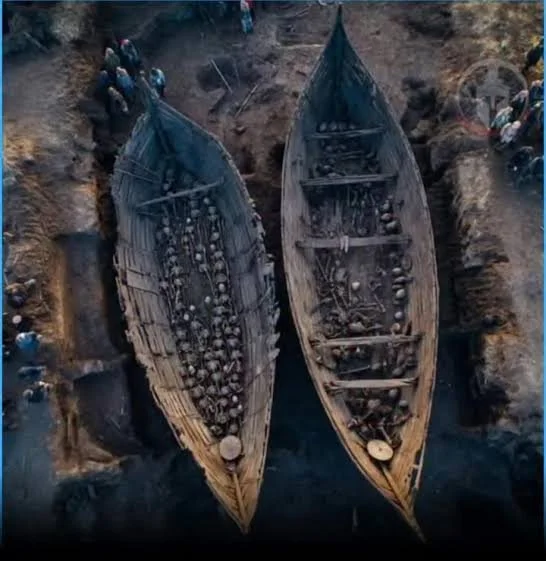
Artifacts such as pottery, tools, textiles, and artwork provide insight into daily life and cultural expression. These findings make it clear that these were not isolated or primitive settlements—they were complex and vibrant communities with developed economies, social systems, and traditions.
Isolation and Innovation
Isolation often played a key role in shaping these civilizations.
With limited contact with neighboring regions, valley societies developed unique languages, belief systems, and technologies. This independence encouraged creativity and adaptation, as people relied on their own knowledge and resources to survive.
In some valleys, communities engineered advanced irrigation systems to manage water supply. In others, they developed specialized farming techniques suited to their environment.
This process of innovation demonstrates how human societies can adapt and thrive even under challenging conditions.
Decline and Disappearance
Despite their success, many valley civilizations eventually declined or disappeared.
Environmental changes were often a major factor. Droughts, floods, landslides, or shifts in climate could disrupt agriculture and threaten food supplies. In such isolated environments, even small changes could have significant consequences.
Social and political factors also played a role. Internal conflicts, population pressures, or changes in leadership may have weakened these societies over time.
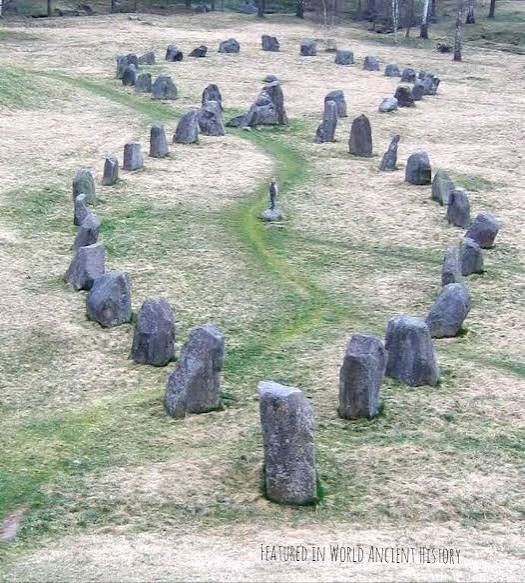
In some cases, entire communities were abandoned. What remains are silent ruins—stone structures, terraces, and scattered artifacts that hint at once-thriving cultures.
Rediscovery
For centuries, many of these valleys remained hidden from the outside world.
Modern exploration, satellite technology, and archaeological research have gradually brought them back into view. Discoveries of forgotten settlements have expanded our understanding of where and how ancient civilizations developed.
Each newly uncovered site adds another piece to the puzzle of human history, revealing that advanced societies existed in places once thought too remote or difficult to sustain.
Lessons From the Past
Lost valley civilizations remind us that human development has never followed a single, predictable path.
They show that innovation, resilience, and culture can flourish even in isolation, far from major trade routes or centers of power. These societies adapted to their environments, created unique identities, and built lasting legacies.
Their stories challenge the idea that progress only happens in large, connected regions. Instead, they highlight the diversity of human experience and the many ways people have shaped their worlds.
Echoes of Hidden Civilizations
Today, the remnants of these valleys continue to inspire curiosity and respect.
They stand as reminders that much of human history still lies waiting to be discovered—and that even the most remote corners of the world once held thriving, dynamic civilizations.