Secrets Beneath the Sacred
Many ancient temples were more than places of worship. Beneath their foundations, hidden chambers and tunnels reveal a deeper layer of spiritual and cultural meaning.
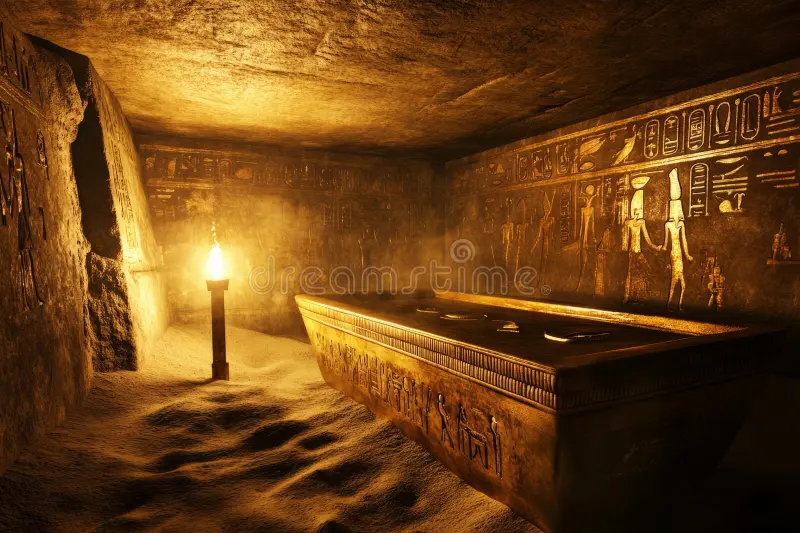
These underground spaces often served as burial sites or sacred areas connected to beliefs about death and the afterlife.
Underground Architecture
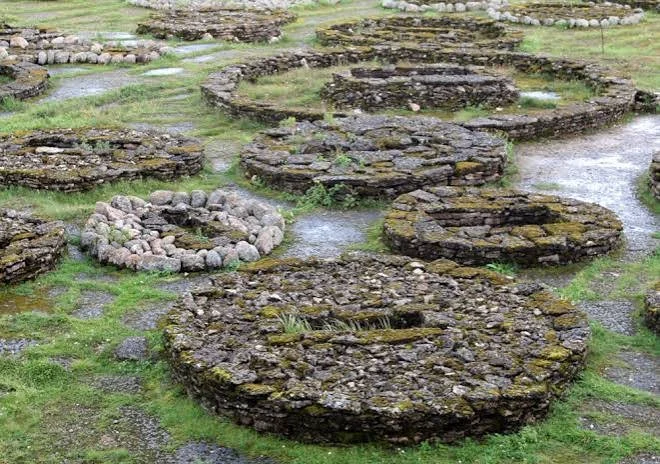
Archaeologists have discovered complex networks of chambers beneath temples.
These spaces were carefully constructed, sometimes featuring passageways, sealed rooms, and hidden entrances.
Their design suggests that access was restricted to specific individuals, such as priests or elites.
Religious Significance
Burial chambers beneath temples reinforced the connection between the living and the divine.
Placing the dead beneath sacred spaces may have symbolized a closer relationship with the gods.
These sites were often associated with rituals honoring ancestors or guiding souls to the afterlife.
Ritual Use
Some underground chambers may have been used for ceremonies.
Dark, enclosed spaces created a powerful atmosphere for rituals involving transformation, rebirth, or communication with spiritual forces.
Discoveries and Mysteries
Modern excavations continue to uncover these hidden spaces.
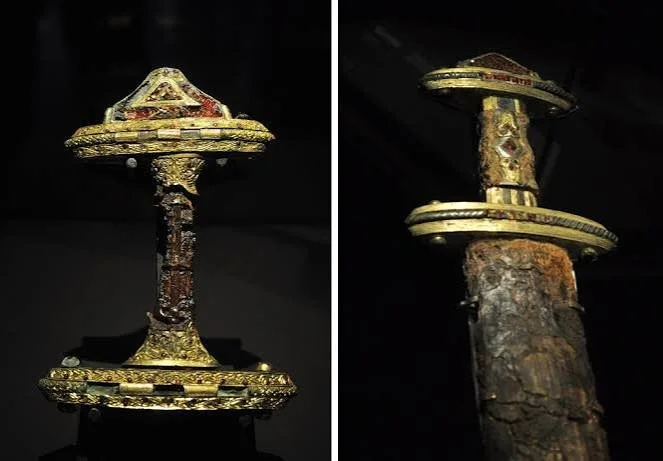
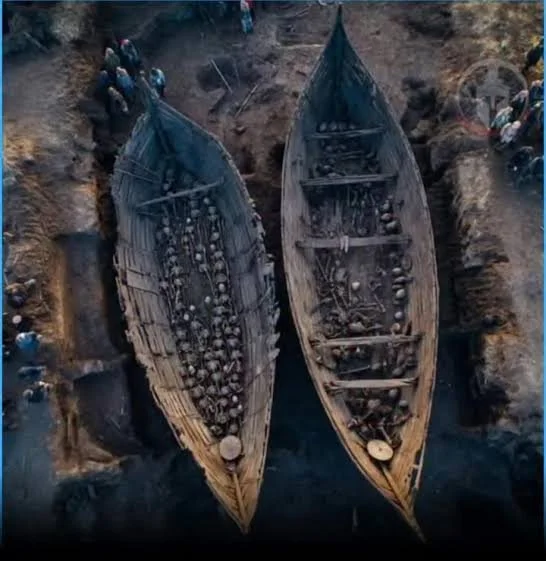
Artifacts, human remains, and inscriptions found within them provide valuable insights into ancient beliefs.
However, many questions remain about how these chambers were used.
A World Beneath the Surface
Hidden burial chambers remind us that ancient temples were complex structures with both visible and hidden meanings.
They reveal a deeper dimension of spirituality that existed beneath the surface of everyday life.