Conflict in Early Human History
Human societies have not always lived in peace. Archaeological evidence suggests that organized conflict existed long before written history.
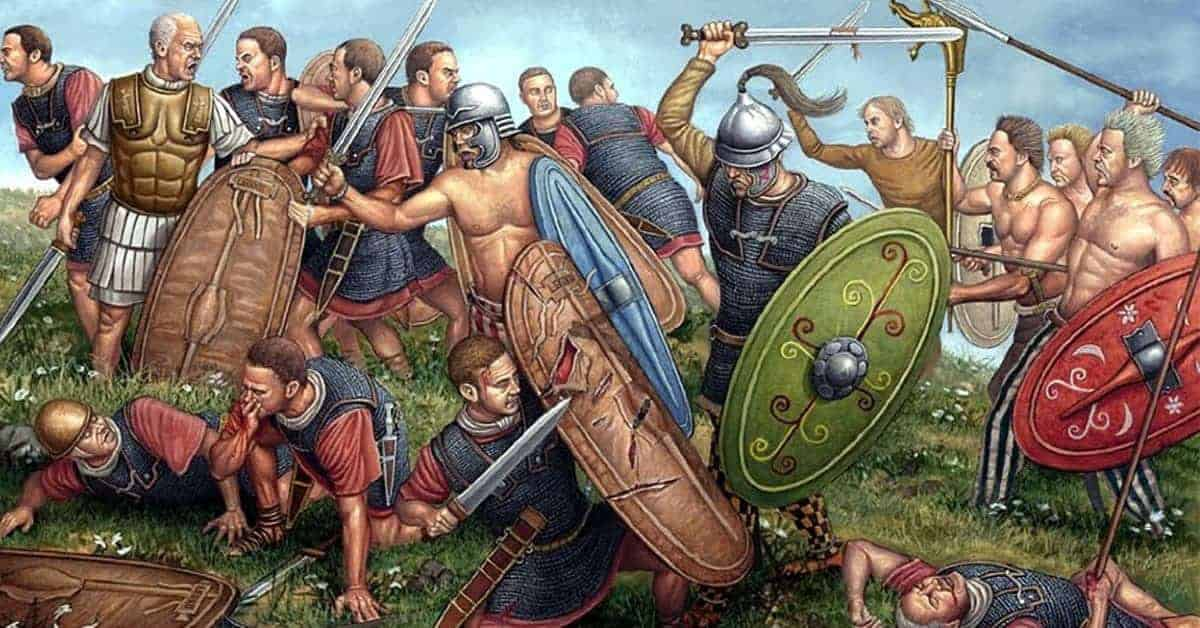
Early warriors developed weapons, strategies, and cultural traditions centered on combat and defense.
Early Weapons
The first weapons were often adapted from everyday tools.
Spears, clubs, stone blades, and later bows and arrows allowed fighters to hunt animals and defend their communities.
Over time, these tools became specialized for combat.
Evidence From Archaeology
Archaeologists have uncovered skeletal remains showing injuries consistent with combat.
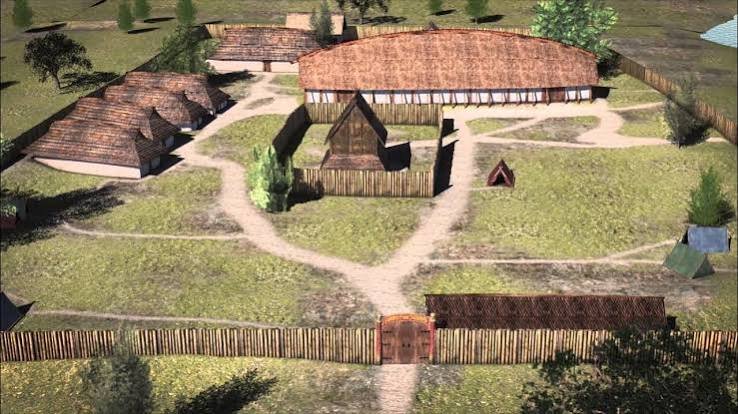
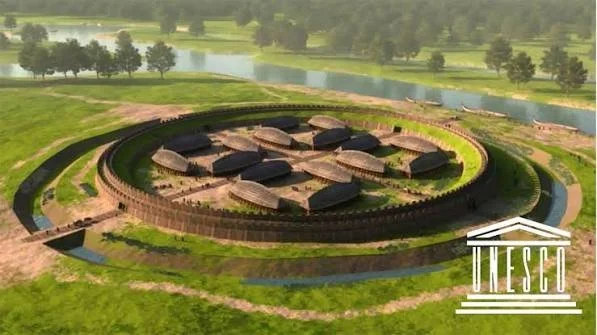
Ancient fortifications, defensive walls, and weapon deposits also suggest that organized warfare occurred in early societies.
These discoveries provide valuable insights into how early conflicts were fought.
Warrior Identity and Culture
In many cultures, warriors held important social roles.
They were responsible for protecting communities and expanding territory. As a result, warrior traditions often included rituals, training, and symbols of honor.
Stories and myths celebrated heroic fighters who defended their people.
Strategy and Organization
Even early conflicts required planning.
Groups organized defensive positions, coordinated attacks, and developed strategies suited to their environment.
These tactics laid the groundwork for the military systems of later civilizations.
The Lasting Impact of Early Warfare
The origins of warfare shaped many aspects of human history, from political organization to technological development.
Though conflict brought destruction, it also influenced innovation in tools, strategy, and social organization.