• MAIN PAGE
  • LATEST NEWS
    • Lost Cities
    • Archaeology's Greatest Finds
    • Underwater Discoveries
    • Greatest Inventions
    • Studies
    • Blog
  • PHILOSOPHY
  • HISTORY
  • RELIGIONS
    • Africa
    • Anatolia
    • Arabian Peninsula
    • Balkan Region
    • China - East Asia
    • Europe
    • Eurasian Steppe
    • Levant
    • Mesopotamia
    • Oceania - SE Asia
    • Pre-Columbian Civilizations of America
    • Iranian Plateau - Central Asia
    • Indus Valley - South Asia
    • Japan
    • The Archaeologist Editor Group
    • Scientific Studies
    • Aegean Prehistory
    • Historical Period
    • Byzantine Middle Ages
    • Predynastic Period
    • Dynastic Period
    • Greco-Roman Egypt
  • Rome
  • PALEONTOLOGY
  • About us
Menu

The Archaeologist

  • MAIN PAGE
  • LATEST NEWS
  • DISCOVERIES
    • Lost Cities
    • Archaeology's Greatest Finds
    • Underwater Discoveries
    • Greatest Inventions
    • Studies
    • Blog
  • PHILOSOPHY
  • HISTORY
  • RELIGIONS
  • World Civilizations
    • Africa
    • Anatolia
    • Arabian Peninsula
    • Balkan Region
    • China - East Asia
    • Europe
    • Eurasian Steppe
    • Levant
    • Mesopotamia
    • Oceania - SE Asia
    • Pre-Columbian Civilizations of America
    • Iranian Plateau - Central Asia
    • Indus Valley - South Asia
    • Japan
    • The Archaeologist Editor Group
    • Scientific Studies
  • GREECE
    • Aegean Prehistory
    • Historical Period
    • Byzantine Middle Ages
  • Egypt
    • Predynastic Period
    • Dynastic Period
    • Greco-Roman Egypt
  • Rome
  • PALEONTOLOGY
  • About us

The Glass-Making Industry of Ancient Phoenicia

January 2, 2026

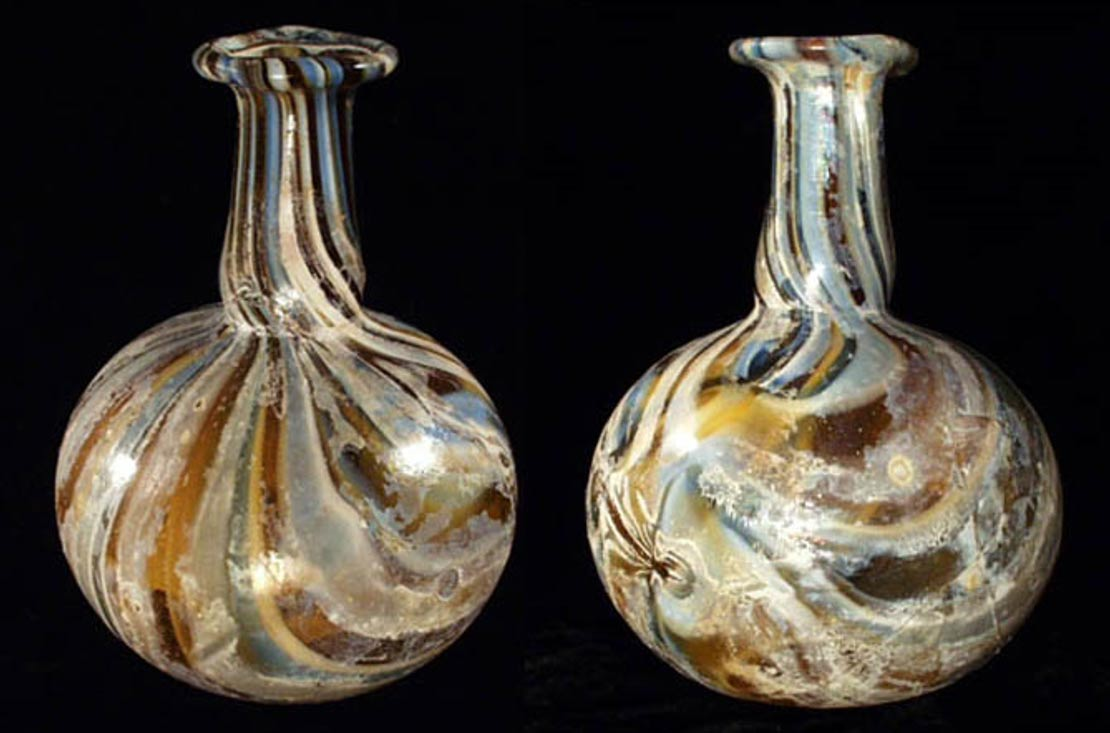
The Phoenicians were pioneers in the development and spread of glass-making technology across the ancient Mediterranean world. While glass existed earlier in Mesopotamia and Egypt, the Phoenicians refined production techniques and transformed glass into a widely traded luxury item. Their coastal cities, such as Tyre and Sidon, became major centers for glass craftsmanship.

Phoenician artisans mastered the use of sand rich in silica and developed methods to control heat and color. One of their greatest innovations was glassblowing, which allowed molten glass to be shaped quickly and efficiently. This technique revolutionized glass production, making it more affordable and versatile. Phoenician glassware included vessels, beads, amulets, and decorative objects that were traded across Europe, North Africa, and the Near East.

Glass also held symbolic and ritual significance. Colored glass imitated precious stones and was used in jewelry and religious items. The Phoenician trade networks ensured that glass-making knowledge spread to Greece and Rome, where it was further refined. The Roman glass industry, in particular, owed much of its success to Phoenician innovation. Through commerce and craftsmanship, the Phoenicians permanently shaped ancient material culture.


← The Mysterious Copper ScrollThe Ancient Roots of Yoga →
Featured
image_2026-01-02_154214698.png
Jan 2, 2026
The Mythical Phoenix Across Ancient Cultures
Jan 2, 2026
Read More →
Jan 2, 2026
image_2026-01-02_153752881.png
Jan 2, 2026
The First Chariots in Human History
Jan 2, 2026
Read More →
Jan 2, 2026
image_2026-01-02_153652162.png
Jan 2, 2026
The Jōmon Pottery of Ancient Japan
Jan 2, 2026
Read More →
Jan 2, 2026
image_2026-01-02_153238013.png
Jan 2, 2026
The Ancient Greek Concept of the Soul
Jan 2, 2026
Read More →
Jan 2, 2026
image_2026-01-02_153121480.png
Jan 2, 2026
The Lost City of Çatalhöyük
Jan 2, 2026
Read More →
Jan 2, 2026
image_2026-01-02_153036267.png
Jan 2, 2026
The Ancient Trade Networks of the Sahara
Jan 2, 2026
Read More →
Jan 2, 2026
read more

Powered by The archaeologist