• MAIN PAGE
  • LATEST NEWS
    • Lost Cities
    • Archaeology's Greatest Finds
    • Underwater Discoveries
    • Greatest Inventions
    • Studies
    • Blog
  • PHILOSOPHY
  • HISTORY
  • RELIGIONS
    • Africa
    • Anatolia
    • Arabian Peninsula
    • Balkan Region
    • China - East Asia
    • Europe
    • Eurasian Steppe
    • Levant
    • Mesopotamia
    • Oceania - SE Asia
    • Pre-Columbian Civilizations of America
    • Iranian Plateau - Central Asia
    • Indus Valley - South Asia
    • Japan
    • The Archaeologist Editor Group
    • Scientific Studies
    • Aegean Prehistory
    • Historical Period
    • Byzantine Middle Ages
    • Predynastic Period
    • Dynastic Period
    • Greco-Roman Egypt
  • Rome
  • PALEONTOLOGY
  • About us
Menu

The Archaeologist

  • MAIN PAGE
  • LATEST NEWS
  • DISCOVERIES
    • Lost Cities
    • Archaeology's Greatest Finds
    • Underwater Discoveries
    • Greatest Inventions
    • Studies
    • Blog
  • PHILOSOPHY
  • HISTORY
  • RELIGIONS
  • World Civilizations
    • Africa
    • Anatolia
    • Arabian Peninsula
    • Balkan Region
    • China - East Asia
    • Europe
    • Eurasian Steppe
    • Levant
    • Mesopotamia
    • Oceania - SE Asia
    • Pre-Columbian Civilizations of America
    • Iranian Plateau - Central Asia
    • Indus Valley - South Asia
    • Japan
    • The Archaeologist Editor Group
    • Scientific Studies
  • GREECE
    • Aegean Prehistory
    • Historical Period
    • Byzantine Middle Ages
  • Egypt
    • Predynastic Period
    • Dynastic Period
    • Greco-Roman Egypt
  • Rome
  • PALEONTOLOGY
  • About us

The Mysterious Copper Scroll

January 2, 2026

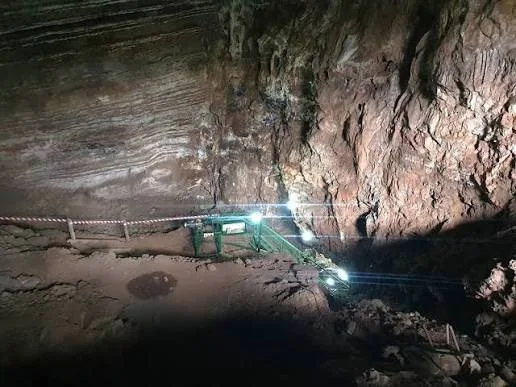
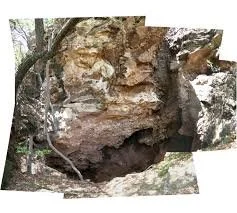
The Copper Scroll is one of the most unusual documents discovered among the Dead Sea Scrolls. Unlike the others, which were written on parchment or papyrus, this scroll was engraved on copper sheets. It dates to the 1st century CE and contains a list of locations where vast quantities of gold, silver, and sacred objects were supposedly hidden.

What makes the Copper Scroll unique is its practical and administrative tone. Rather than religious teachings or laws, it reads like an inventory or treasure map. The scroll lists dozens of burial sites, caves, and underground chambers, each allegedly containing enormous wealth. Scholars debate whether the treasures were real, symbolic, or exaggerated records of Temple wealth hidden during the Roman destruction of Jerusalem.

Despite several archaeological searches inspired by the scroll, no confirmed treasures have been found. Some researchers believe the scroll reflects priestly knowledge of sacred deposits, while others argue it was a symbolic or fictional document. The use of copper suggests the information was meant to endure, indicating its importance. The Copper Scroll remains one of the greatest mysteries of ancient Judaism and continues to fascinate historians and archaeologists.
← The Scythian Burial MoundsThe Glass-Making Industry of Ancient Phoenicia →
Featured
image_2026-01-02_154214698.png
Jan 2, 2026
The Mythical Phoenix Across Ancient Cultures
Jan 2, 2026
Read More →
Jan 2, 2026
image_2026-01-02_153752881.png
Jan 2, 2026
The First Chariots in Human History
Jan 2, 2026
Read More →
Jan 2, 2026
image_2026-01-02_153652162.png
Jan 2, 2026
The Jōmon Pottery of Ancient Japan
Jan 2, 2026
Read More →
Jan 2, 2026
image_2026-01-02_153238013.png
Jan 2, 2026
The Ancient Greek Concept of the Soul
Jan 2, 2026
Read More →
Jan 2, 2026
image_2026-01-02_153121480.png
Jan 2, 2026
The Lost City of Çatalhöyük
Jan 2, 2026
Read More →
Jan 2, 2026
image_2026-01-02_153036267.png
Jan 2, 2026
The Ancient Trade Networks of the Sahara
Jan 2, 2026
Read More →
Jan 2, 2026
read more

Powered by The archaeologist