Yoga has ancient origins that can be traced back to the Indus Valley Civilization and early Vedic traditions of South Asia. Archaeological evidence, such as seals depicting figures in meditative postures, suggests that yogic practices existed as early as 2500 BCE. These early forms of yoga were not physical exercise systems but spiritual disciplines focused on self-control, breath, and inner awareness.
In the Vedic period, yoga developed alongside religious rituals and philosophical thought. The Vedas describe practices involving breath control (pranayama), meditation, and disciplined living as methods for connecting with cosmic order, known as ṛta. Over time, these ideas evolved into deeper philosophical systems found in the Upanishads, where yoga became a tool for achieving self-realization and liberation from suffering.
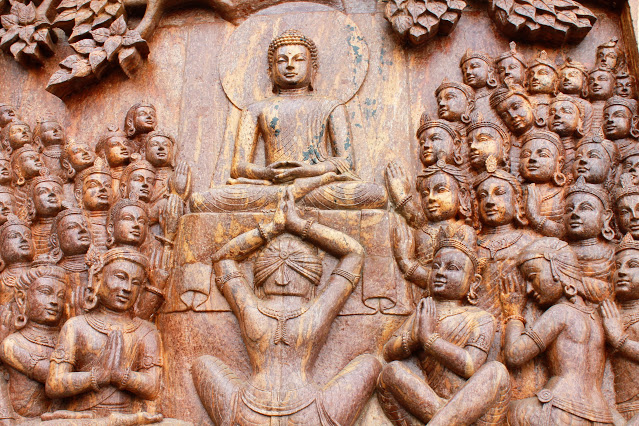
Classical yoga was later systematized by Patanjali in the Yoga Sutras, which outlined the eightfold path, including ethical behavior, meditation, and concentration. Yoga was closely linked to Hindu, Buddhist, and Jain traditions, each adapting it to their spiritual goals. Rather than focusing on physical flexibility, ancient yoga aimed to discipline the mind and transcend the ego. Modern yoga practices draw from these ancient roots, though often emphasizing physical postures more than spiritual transformation.