• MAIN PAGE
  • LATEST NEWS
    • Lost Cities
    • Archaeology's Greatest Finds
    • Underwater Discoveries
    • Greatest Inventions
    • Studies
    • Blog
  • PHILOSOPHY
  • HISTORY
  • RELIGIONS
    • Africa
    • Anatolia
    • Arabian Peninsula
    • Balkan Region
    • China - East Asia
    • Europe
    • Eurasian Steppe
    • Levant
    • Mesopotamia
    • Oceania - SE Asia
    • Pre-Columbian Civilizations of America
    • Iranian Plateau - Central Asia
    • Indus Valley - South Asia
    • Japan
    • The Archaeologist Editor Group
    • Scientific Studies
    • Aegean Prehistory
    • Historical Period
    • Byzantine Middle Ages
    • Predynastic Period
    • Dynastic Period
    • Greco-Roman Egypt
  • Rome
  • PALEONTOLOGY
  • About us
Menu

The Archaeologist

  • MAIN PAGE
  • LATEST NEWS
  • DISCOVERIES
    • Lost Cities
    • Archaeology's Greatest Finds
    • Underwater Discoveries
    • Greatest Inventions
    • Studies
    • Blog
  • PHILOSOPHY
  • HISTORY
  • RELIGIONS
  • World Civilizations
    • Africa
    • Anatolia
    • Arabian Peninsula
    • Balkan Region
    • China - East Asia
    • Europe
    • Eurasian Steppe
    • Levant
    • Mesopotamia
    • Oceania - SE Asia
    • Pre-Columbian Civilizations of America
    • Iranian Plateau - Central Asia
    • Indus Valley - South Asia
    • Japan
    • The Archaeologist Editor Group
    • Scientific Studies
  • GREECE
    • Aegean Prehistory
    • Historical Period
    • Byzantine Middle Ages
  • Egypt
    • Predynastic Period
    • Dynastic Period
    • Greco-Roman Egypt
  • Rome
  • PALEONTOLOGY
  • About us

The Labyrinth Cities of the Ancient World

March 4, 2026

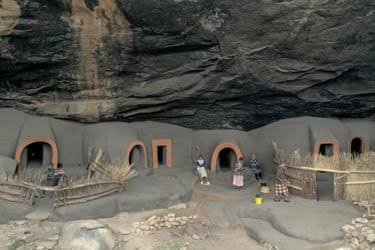
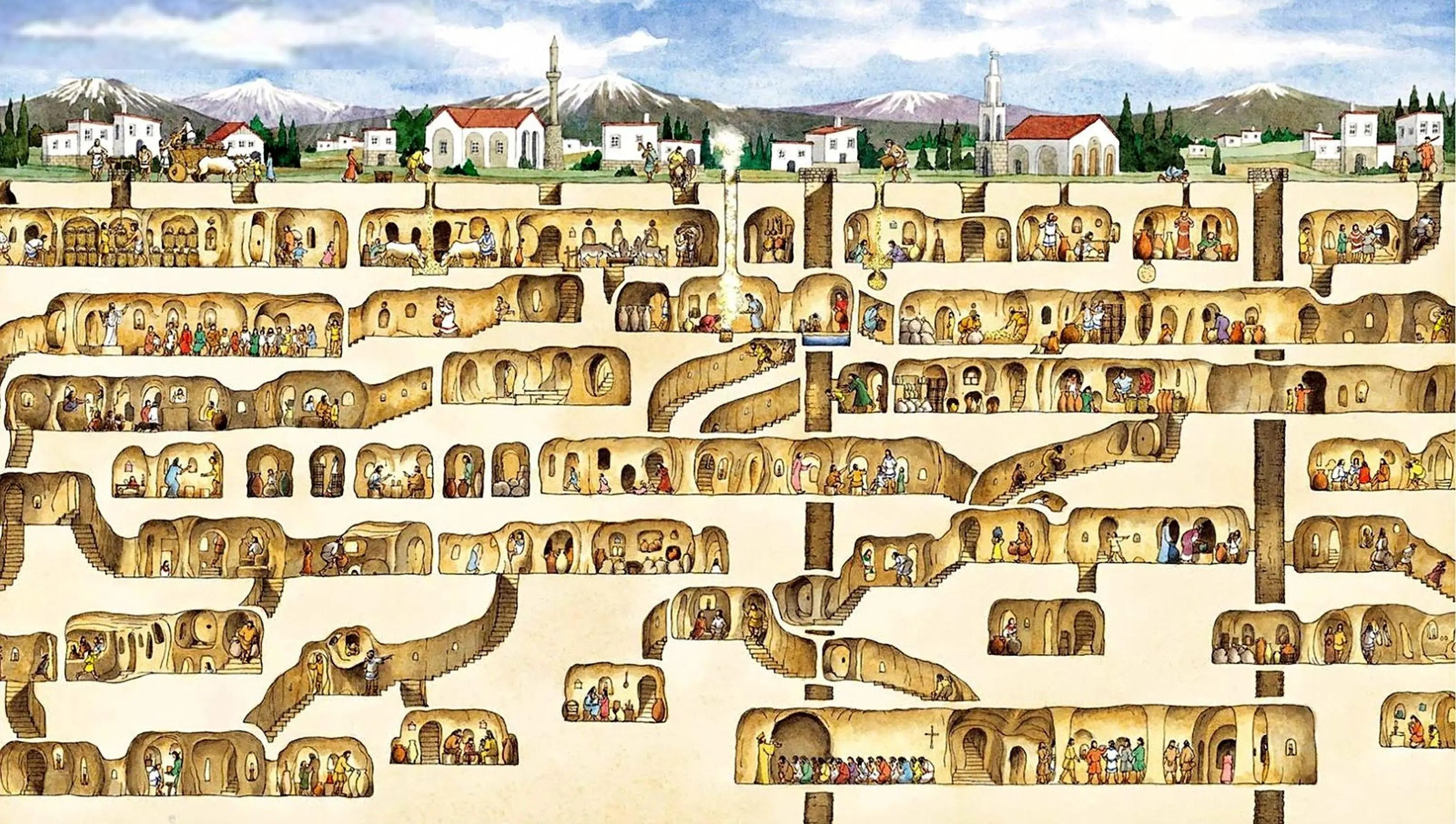
Some ancient settlements were designed not with straight streets and open plazas, but with winding paths, narrow corridors, and layered passageways. To outsiders, they may have seemed confusing. To residents, they were carefully planned spaces of protection and ritual significance.

Architecture as Defense

In the Neolithic settlement of Çatalhöyük, houses were built tightly together without streets. People entered through openings in the rooftops. This design minimized vulnerable entry points and created a compact community structure.

Similarly, the fortified city of Mycenae featured massive defensive walls and indirect pathways. Invaders would have been forced into narrow, easily defended routes.

The Myth and Reality of Labyrinths

The concept of the labyrinth is famously associated with the palace at Knossos in Crete. According to myth, it housed the Minotaur. While the literal maze is legendary, the palace complex itself is intricate, with interconnected rooms and corridors that could easily confuse visitors.

Labyrinth designs may have served symbolic purposes as well. Walking a winding path can represent a spiritual journey—moving from confusion toward revelation.

Social and Ritual Functions

Maze-like layouts may have separated sacred areas from everyday spaces. They could guide ceremonial processions or control access to important structures.

Urban complexity also reflected social hierarchy. Restricted zones reinforced authority and protected elites or sacred objects.

Order Within Complexity

Labyrinth cities were not chaotic. Their complexity was deliberate. Defense, ritual meaning, and social organization shaped their designs.

Exploring their ruins today reveals careful planning beneath the apparent maze. These cities remind us that ancient architecture was not only about shelter—it was about shaping movement, experience, and power.

← The First Traders Who Crossed Oceans Without MapsThe Oldest Prehistoric Musical Rituals →
Featured
image_2026-03-04_220113126.png
Mar 4, 2026
The Forgotten Animal Domestication Experiments
Mar 4, 2026
Read More →
Mar 4, 2026
image_2026-03-04_215932661.png
Mar 4, 2026
The Prehistoric Artists Who Painted the Stars
Mar 4, 2026
Read More →
Mar 4, 2026
image_2026-03-04_215848716.png
Mar 4, 2026
The First Diplomats and Peace Negotiators
Mar 4, 2026
Read More →
Mar 4, 2026
image_2026-03-04_213823163.png
Mar 4, 2026
Ancient Villages Built Beneath Giant Trees
Mar 4, 2026
Read More →
Mar 4, 2026
image_2026-03-04_212058300.png
Mar 4, 2026
The Stone Giants: Megaliths That Shouldn’t Be Movable
Mar 4, 2026
Read More →
Mar 4, 2026
image_2026-03-04_212021801.png
Mar 4, 2026
The Forgotten Desert Libraries of Antiquity
Mar 4, 2026
Read More →
Mar 4, 2026
read more

Powered by The archaeologist